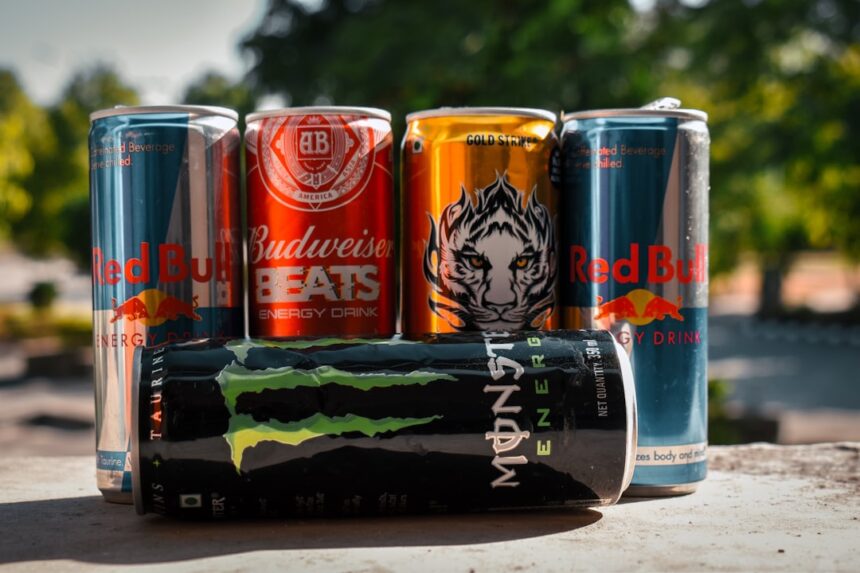
The Ghana Food and Drugs Authority (FDA) confiscated approximately 140 boxes of a banned alcoholic energy drink during regulatory enforcement activities in the Upper East Region, according to a Public Alert No. 032/2026 issued by Nigeria’s National Agency for Food and Drug Administration and Control (NAFDAC). The seizure marks a continuation of West African regulatory efforts to remove high-risk beverages from circulation, following similar enforcement actions across the region.
Key takeaways
- Ghana’s FDA confiscated 140 boxes of a banned alcoholic energy drink in the Upper East Region during routine enforcement
- The product was identified as a banned formulation, indicating cross-border trade of prohibited beverages remains a regulatory challenge
- NAFDAC’s alert distribution demonstrates inter-agency coordination across West Africa to prevent circulation of non-compliant products
West African Food Safety Enforcement: Product Seizures and Regulatory Coordination
Cross-border product confiscations reflect ongoing regulatory challenges in controlling non-compliant beverages, 2024–2026
(Ghana, 2026)
(Upper East)
(Ghana FDA, NAFDAC)
Source: Ghana Food and Drugs Authority / NAFDAC Public Alert No. 032/2026 | Georgian Medical Journal News
Regulatory enforcement reveals persistent cross-border trade challenges
The seizure in Ghana’s Upper East Region highlights the ongoing regulatory challenge of controlling transnational product distribution in West Africa. According to NAFDAC’s alert, the confiscated beverage had been banned from circulation, yet was discovered in active trade, suggesting gaps in border surveillance and product traceability mechanisms. The Upper East Region’s proximity to international borders creates particular vulnerability to illicit product flows.

Ghana’s FDA enforcement action demonstrates a coordinated approach to product safety, with findings reported to NAFDAC for regional distribution. This inter-agency communication pattern, as reflected in quality and safety alerts, strengthens the collective regulatory capacity of West African nations to identify and remove non-compliant products before they reach consumers.
Why alcoholic energy drinks pose specific health concerns
Alcoholic energy drinks combine ethanol with high caffeine concentrations and stimulant compounds, creating a pharmacologically complex beverage that regulatory bodies across multiple jurisdictions have restricted or banned. The combination of depressant (alcohol) and stimulant (caffeine) effects can mask intoxication, potentially leading to excessive consumption and acute health risks, particularly among younger consumers.
National food and drug authorities—including the U.S. FDA and equivalent bodies in the European Union—have documented safety concerns including cardiac arrhythmias, seizures, and sudden unexplained death in young people, particularly when consumed in large quantities or mixed with additional alcohol. The ban classification of the Ghana seizure reflects these evidence-based safety assessments.
Inter-agency coordination strengthens West African consumer protection
NAFDAC’s distribution of Ghana’s enforcement alert through public channels demonstrates the value of transparent, cross-border regulatory communication. When one national authority identifies and removes a banned product, notifying neighbouring agencies and the public creates a deterrent to smuggling and helps retailers and distributors understand their compliance obligations across the region.
This model aligns with broader health policy frameworks promoting regulatory harmonization. However, enforcement remains resource-intensive; the confiscation of 140 boxes represents only the detected portion of potentially larger supply chains. Strengthening port-of-entry screening, cross-border information sharing, and penalties for distributors remains essential to sustained consumer protection.
Approximately 140 boxes of a banned alcoholic energy drink were confiscated by Ghana’s Food and Drugs Authority in the Upper East Region, signalling persistent cross-border trade in prohibited beverages despite regulatory bans.
— Ghana Food and Drugs Authority, Public Alert circulated via NAFDAC (2026)
What this means
Frequently asked questions
Why are alcoholic energy drinks banned in some countries but not others?
National regulatory bodies—such as the FDA, NAFDAC, and Ghana’s FDA—apply risk-benefit assessments based on safety data, epidemiological patterns, and consumer demographics in their jurisdictions. Drinks combining high caffeine with alcohol have been associated with sudden cardiac events, particularly in young people. When evidence of harm outweighs any claimed benefits, regulatory agencies issue bans. However, global regulatory harmonization remains incomplete, creating opportunities for banned products to be exported to less restrictive markets.
How do banned products still reach consumers after confiscation?
According to food safety literature, banned products circulate through informal distribution channels, cross-border smuggling, and online retailers that lack compliance verification systems. A single enforcement action—such as the 140-box seizure—typically represents only the detected portion of total supply. Addressing this requires sustained port monitoring, retailer licensing systems, and penalties for knowingly distributing banned substances.
What should I do if I encounter a product matching this description?
Consumers who identify a banned alcoholic energy drink should report it to their national food and drug authority (Ghana’s FDA, or equivalent) with details on brand name, packaging, retail location, and point of purchase. Authorities can then investigate the distribution source and issue targeted enforcement actions. Public reporting also creates transparency that deters retailers from stocking non-compliant products.
The Ghana confiscation underscores that regulatory vigilance in one country creates shared benefits across regions. As West African trade networks deepen, coordinated enforcement and transparent alert systems—exemplified by NAFDAC’s public distribution of the alert—remain essential tools for protecting consumers from products that national safety assessments have deemed too risky to permit in commerce.
Was this article helpful?
Disclaimer. This article is health journalism intended for general information and education. It is not medical advice and is not a substitute for professional diagnosis or treatment. Always consult a qualified healthcare provider about your individual circumstances. Full disclaimer →
Related Coverage




Editorial standards. This article was produced under the GMJ News editorial process, with oversight by the GMJ Editorial Board. Our editorial process. Spotted an error? Contact the editorial team.