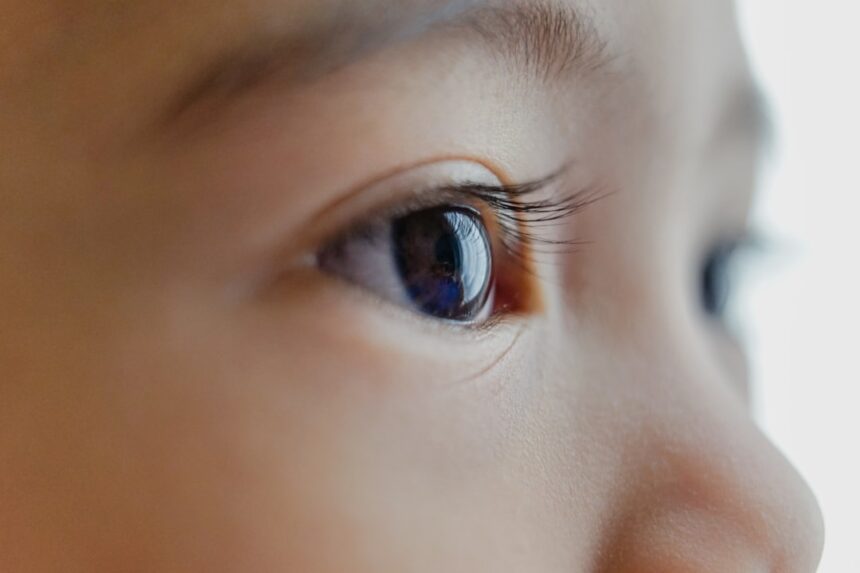
Recent eye-tracking research provides quantifiable evidence of how depression reshapes children’s visual attention to emotional stimuli in fundamentally different ways. The study identified a striking divergence based on genetic predisposition: high-risk children with family histories of depression demonstrated elevated fixation on sad facial expressions, while low-risk children with depression showed diminished attention to happy faces. This opposing pattern reveals that inherited vulnerability directly influences how depression manifests at the neurobiological level in developing children. The findings suggest that genetic factors act as a moderating variable in depression’s effects on emotion processing circuits. These data open new possibilities for objective, measurable screening approaches using visual attention patterns as biomarkers for depressive risk in pediatric populations. Read the full article on GMJ Newsroom.
Was this article helpful?