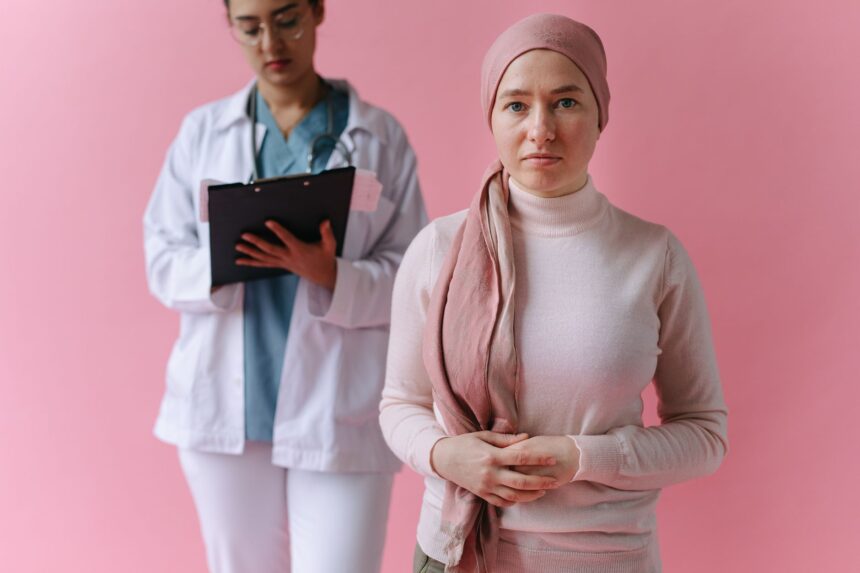
An estimated 40 to 60 percent of oncologists experience burnout—a crisis that threatens workforce stability in cancer care. Yet emerging evidence suggests that clinicians who cultivate awareness of the relational privilege in their work report significantly greater professional satisfaction and resilience.
Relational meaning—the recognition of the profound human connection at the heart of oncology practice—appears to buffer against emotional exhaustion and burnout. When oncologists acknowledge the privilege of supporting patients through existential reflection and intimate conversations about mortality and legacy, they report stronger sense of purpose and fulfillment. This finding has critical implications for retention and workforce sustainability in oncology, suggesting that attention to the relational dimensions of clinical care may be as important as addressing administrative burden and systemic stressors.
Read the full article on GMJ Newsroom.
Was this article helpful?
GMJ Brief · Key Finding
📰 Read the full article: The profound human connection at the heart of oncology practice →