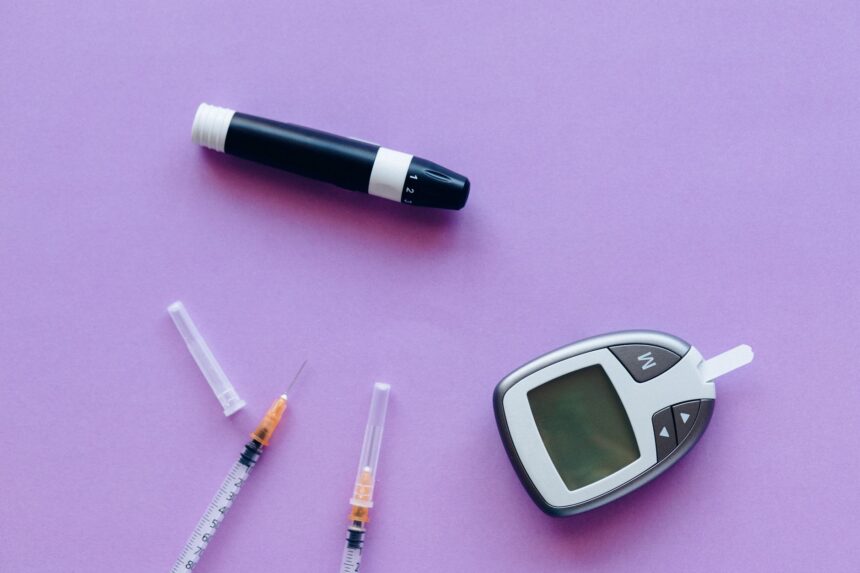
Understanding magnesium’s role in glucose metabolism can inform both clinical practice and personal health decisions. First, magnesium is not merely a cofactor but a prerequisite for insulin receptor activation—without adequate levels, the signal weakens by 50 percent regardless of insulin availability. Second, the evidence base is substantial: meta-analyses of over 1.5 million individuals show that 100 mg daily increases in dietary magnesium reduce type 2 diabetes risk by 14 to 19 percent. Third, deficiency is common—approximately half of United States adults fall below the RDA of 310 to 420 mg per day, creating a modifiable risk factor for metabolic disease. These findings suggest that optimizing magnesium intake may be a practical, evidence-backed strategy for individuals seeking to improve insulin sensitivity and reduce diabetes risk.
Was this article helpful?