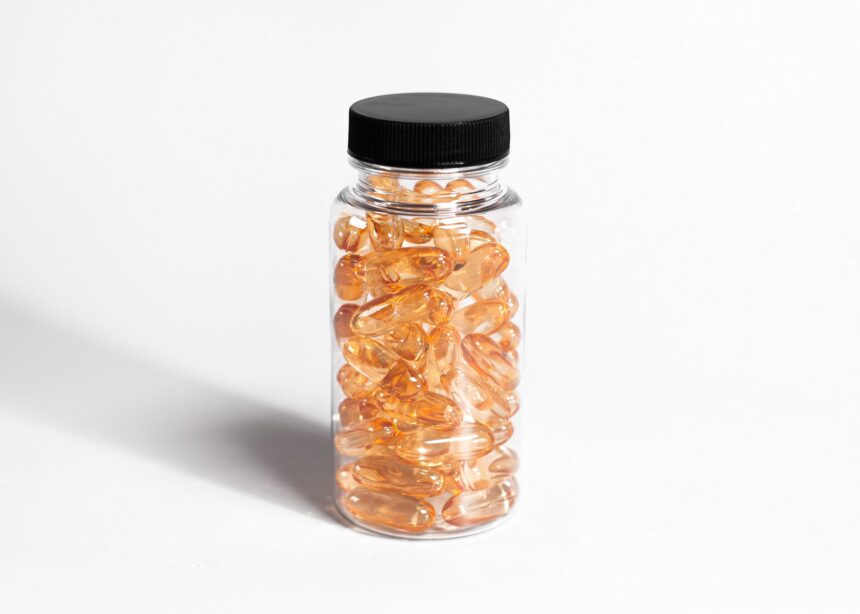
A critical gap exists between fish oil supplement dosing and actual absorption, with bioavailability varying dramatically based on two overlooked factors: supplement form and meal composition. Research published in Biochemical and Biophysical Research Communications reveals that identical doses can produce absorption rates differing by as much as fourfold—yet this crucial information remains largely absent from consumer labeling.
The distinction matters significantly for clinical outcomes. Ethyl ester formulations, the most economical and widely available form, absorb at only 20% when taken with low-fat meals but improve to 60% with high-fat meals. Premium triglyceride-form supplements demonstrate superior absorption across both conditions, reaching 69-90% bioavailability. Healthcare providers and patients alike should recognize that supplement efficacy depends not solely on dose, but on the chemical formulation and dietary context surrounding consumption.
Read the full article on GMJ Newsroom.
Was this article helpful?