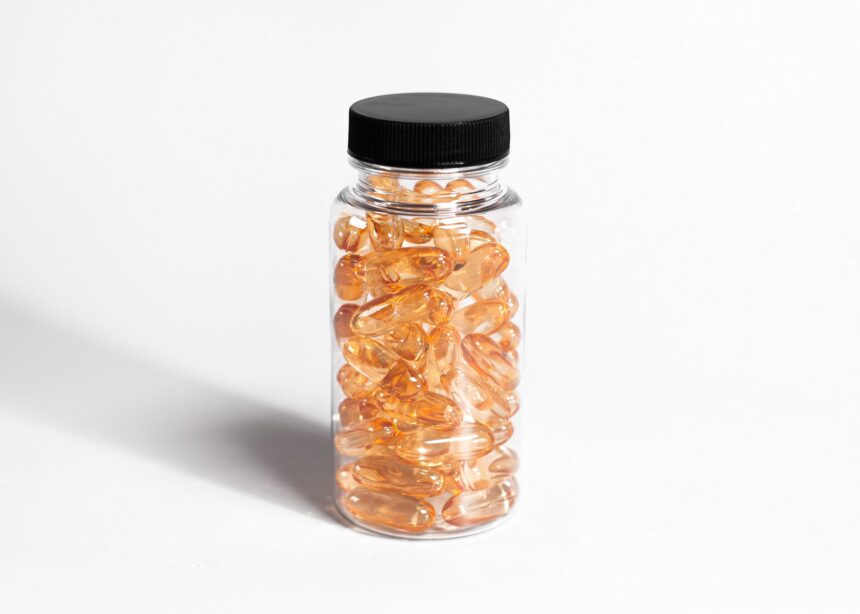
Fish oil bioavailability spans a striking range: from 20% in worst-case scenarios to 90% under optimal conditions—a sevenfold difference that challenges conventional supplement guidance. This variation is driven not by individual physiology alone, but by two controllable variables: the chemical form of the supplement and the fat content of the accompanying meal.
When ethyl ester fish oil (the most common inexpensive formulation) is consumed without adequate dietary fat, absorption plummets to just 20%, meaning 80% of the EPA and DHA remains unutilized. The same supplement combined with a high-fat meal achieves 60% absorption. Triglyceride-form supplements demonstrate superior performance across conditions, absorbing at 69-90% regardless of meal composition. For clinicians and patients investing in fish oil supplementation, understanding this bioavailability hierarchy is essential to achieving intended therapeutic benefit.
Read the full article on GMJ Newsroom.
Was this article helpful?