By using this site, you agree to the Privacy Policy and Terms of Use.
Accept
GMJ NewsGMJ NewsGMJ News
  • Latest News
    • GMJ Briefs
  • Podcast & Media
    • Podcast Episodes
    • GMJ Audio
    • GMJ Videos
  • Research Digest
    • New Studies
    • Georgian Research
    • Data & Numbers
  • Policy & Systems
    • Health Policy
    • Quality & Safety
    • Migration & Health
    • Global Health
  • Practice
    • Clinical Updates
    • Case Discussions
    • Pharmacy & Prescribing
    • Ingredients A-Z
  • Perspectives
    • Editorial
    • Explainers
    • Voices
    • Letters
  • Health Topics
  • GMJ Articles
    • Vol. 1 Issue 2 (2026)
    • Vol. 1 Issue 1 (2026)
    • Pre-Launch Articles (2025)
  • Read the Journal →
  • About GMJ News
Notification Show More
Font ResizerAa
GMJ NewsGMJ News
Font ResizerAa
  • Latest News
    • GMJ Briefs
  • Podcast & Media
    • Podcast Episodes
    • GMJ Audio
    • GMJ Videos
  • Research Digest
    • New Studies
    • Georgian Research
    • Data & Numbers
  • Policy & Systems
    • Health Policy
    • Quality & Safety
    • Migration & Health
    • Global Health
  • Practice
    • Clinical Updates
    • Case Discussions
    • Pharmacy & Prescribing
    • Ingredients A-Z
  • Perspectives
    • Editorial
    • Explainers
    • Voices
    • Letters
  • Health Topics
  • GMJ Articles
    • Vol. 1 Issue 2 (2026)
    • Vol. 1 Issue 1 (2026)
    • Pre-Launch Articles (2025)
  • Read the Journal →
  • About GMJ News
Follow US
GMJ News > GMJ Briefs > 90% of Retail Olive Oil Falls Short of Health-Benefit Threshold Despite Premium Labelling

90% of Retail Olive Oil Falls Short of Health-Benefit Threshold Despite Premium Labelling

GMJ
Last updated: 07/08/2026 11:30
By
Prof. Giorgi Pkhakadze
Share
1 Min Read
Comparison of olive oil polyphenol content across retail brands showing variation within extra virgin grade
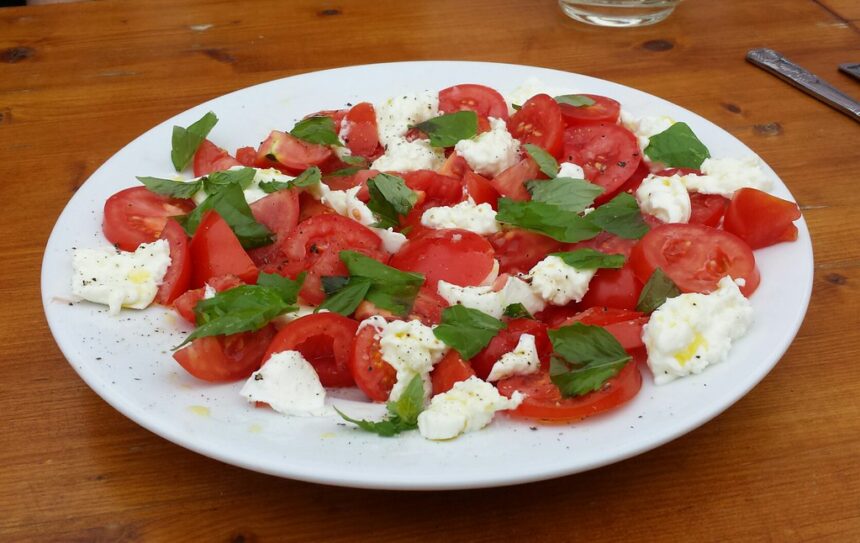
The International Olive Council's "extra virgin" grade measures chemical damage, not polyphenol content—the bioactive responsible for olive oil's cardiovascular benefits. Industry surveys show 90–96% of retail extra virgin oil falls below the polyphenol threshold linked to health benefits, yet all carry the same label. — "Homegrown Tomatoes and Buffalo Mozarella Salad with Cinnamon Basil and Extra Virgin Olive Oil" by Fareham Wine is licensed under CC BY 2.0. To view a copy of this license, visit https://creativecommons.org/licenses/by/2.0/. (CC BY 2.0)
SHARE
1 min read|137 words

A striking gap exists between what olive oil labels promise and what laboratory analysis reveals. Industry surveys across seven European countries found that 96% of retail extra virgin olive oil contains polyphenol levels below the 250 mg/kg threshold established by the European Food Safety Authority for cardiovascular health claims. In Italy, 90% of retail stock fails to meet this standard—despite all bottles bearing the ‘extra virgin’ designation.

This paradox reflects a fundamental mismatch in quality standards. The International Olive Council’s grading system measures oxidative stability and freshness, not bioactive compound concentration. The result is a 170-fold variation in polyphenol content within the same premium grade. Given that high-polyphenol olive oil consumption correlates with 31% fewer cardiovascular events in controlled trials, the absence of mandatory polyphenol labelling represents a significant public health oversight.

Read the full article on GMJ Newsroom.

Was this article helpful?

GMJ Brief · Key Finding

📰 Read the full article: Extra Virgin Olive Oil’s Grade Doesn’t Measure What Matters: Why Polyphenol Content Goes Unlabelled →

Related reference
  • SAMe · Ingredient
Share This Article
Facebook LinkedIn Bluesky Copy Link Print
GMJ
ByProf. Giorgi Pkhakadze
Follow:
Prof. Giorgi Pkhakadze, MD, MPH, PhD, is Editor-in-Chief of the Georgian Medical Journal and Chair of the Public Health Institute of Georgia (PHIG). He is Professor and Head of the Department of Social and Behavioural Sciences at David Tvildiani Medical University, and Secretary/Treasurer of the UEMS Section of Public Health. ORCID: 0000-0001-7609-4515.

Submit Your Paper →

Georgia's peer-reviewed open-access medical journal. No APC until January 2027.
Submit Manuscript →
Egg consumption linked to 27% lower Alzheimer’s risk in large multi-cohort study

A 15-year prospective study of nearly 40,000 adults found that those consuming…

How vitamin B12 absorption works: two competing pathways explain why high-dose pills can rival injections

Vitamin B12 is absorbed via two pathways: intrinsic factor, which saturates at…

Copper deficiency may explain iron-resistant anaemia: why the overlooked mineral matters for oxygen transport

Copper deficiency may explain why some patients develop anaemia despite adequate iron…

Submit Your Paper to GMJ

No APC until January 2027.
Submit Manuscript →

You Might Also Like

Diagram of AI-guided focused ultrasound opening blood-brain barrier with microbubble prediction

Georgia Tech Breakthrough: AI Transforms Focused Ultrasound into Precision Brain Delivery Tool

By
Prof. Giorgi Pkhakadze
16/07/2026

PHEIC Declared: Ebola Cross-Border Transmission DRC-Uganda

By
Prof. Giorgi Pkhakadze
31/05/2026
Scientific illustration showing air pollution particles affecting brain and lung health

The Four-Hour Window: How Quickly Air Pollution Affects Your Body

By
Prof. Giorgi Pkhakadze
10/06/2026
Comparison chart showing different magnesium supplement forms and their cognitive research outcomes

What Matters for Brain Health: Three Evidence-Based Magnesium Insights

By
Prof. Giorgi Pkhakadze
25/06/2026
Facebook Twitter Youtube Instagram
Company
  • Privacy Policy
  • Contact US
  • GMJ Journal
  • Submit Manuscript
  • Editorial Team
  • Register at GMJ
  • Terms of Use

Subscribe to GMJ News — Click here

Join Community
© 2026 Georgian Medical Journal (GMJ). Published by the Public Health Institute of Georgia (PHIG). All rights reserved.
Welcome Back!

Sign in to your account

Username or Email Address
Password

Lost your password?

Not a member? Sign Up