By using this site, you agree to the Privacy Policy and Terms of Use.
Accept
GMJ NewsGMJ NewsGMJ News
  • Latest News
    • GMJ Briefs
  • Podcast & Media
    • Podcast Episodes
    • GMJ Audio
    • GMJ Videos
  • Research Digest
    • New Studies
    • Georgian Research
    • Data & Numbers
  • Policy & Systems
    • Health Policy
    • Quality & Safety
    • Migration & Health
    • Global Health
  • Practice
    • Clinical Updates
    • Case Discussions
    • Pharmacy & Prescribing
    • Ingredients A-Z
  • Perspectives
    • Editorial
    • Explainers
    • Voices
    • Letters
  • Health Topics
  • GMJ Articles
    • Vol. 1 Issue 2 (2026)
    • Vol. 1 Issue 1 (2026)
    • Pre-Launch Articles (2025)
  • Read the Journal →
  • About GMJ News
Notification Show More
Font ResizerAa
GMJ NewsGMJ News
Font ResizerAa
  • Latest News
    • GMJ Briefs
  • Podcast & Media
    • Podcast Episodes
    • GMJ Audio
    • GMJ Videos
  • Research Digest
    • New Studies
    • Georgian Research
    • Data & Numbers
  • Policy & Systems
    • Health Policy
    • Quality & Safety
    • Migration & Health
    • Global Health
  • Practice
    • Clinical Updates
    • Case Discussions
    • Pharmacy & Prescribing
    • Ingredients A-Z
  • Perspectives
    • Editorial
    • Explainers
    • Voices
    • Letters
  • Health Topics
  • GMJ Articles
    • Vol. 1 Issue 2 (2026)
    • Vol. 1 Issue 1 (2026)
    • Pre-Launch Articles (2025)
  • Read the Journal →
  • About GMJ News
Follow US
GMJ News > GMJ Briefs > Announcement: Sleep Deprivation Damages Multiple Body Systems Simultaneously, Six Studies Show

Announcement: Sleep Deprivation Damages Multiple Body Systems Simultaneously, Six Studies Show

GMJ
Last updated: 08/08/2026 15:29
By
Prof. Giorgi Pkhakadze
Share
0 Min Read
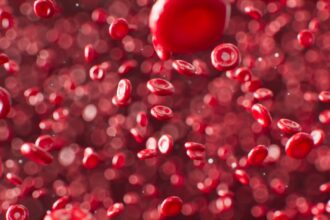
Infographic showing physiological systems damaged by sleep deprivation across hormonal, metabolic, muscular, and appetite regulation pathways
Short sleep simultaneously disrupts hormonal regulation, metabolism, muscle recovery, and appetite control rather than damaging a single system. Six controlled studies document measurable physiological damage across multiple interconnected biological pathways. — Photo by Greg Pappas on Unsplash (Unsplash License)
SHARE
1 min read|43 words

Short sleep doesn't damage just one system—it taxes ALL of them at once: hormones, metabolism, muscles, appetite. Six controlled studies show simultaneous physiological breakdown. Sleep isn't a luxury; it's a biological necessity.

Read the full article on GMJ Newsroom →

Was this article helpful?

GMJ Brief · Announcement

📰 Read the full article: Sleep Deprivation Damages Multiple Body Systems Simultaneously, Six Studies Show →

Share This Article
Facebook LinkedIn Bluesky Copy Link Print
GMJ
ByProf. Giorgi Pkhakadze
Follow:
Prof. Giorgi Pkhakadze, MD, MPH, PhD, is Editor-in-Chief of the Georgian Medical Journal and Chair of the Public Health Institute of Georgia (PHIG). He is Professor and Head of the Department of Social and Behavioural Sciences at David Tvildiani Medical University, and Secretary/Treasurer of the UEMS Section of Public Health. ORCID: 0000-0001-7609-4515.


Submit Your Paper →

Georgia's peer-reviewed open-access medical journal. No APC until January 2027.
Submit Manuscript →
FDA-Approved Drug Restores Immunotherapy Efficacy in Rare Liver Cancer by Releasing Trapped T Cells

Researchers have identified that rare liver cancers evade immunotherapy by trapping immune…

Timing of Second Stent Placement After Heart Attack: New Trial Challenges Immediate Intervention Strategy

A randomized controlled trial published in the New England Journal of Medicine…

Africa’s Regional Research Hubs: Building Local Capacity for Drug Manufacturing and Health Innovation

Africa needs strategically distributed regional research and development hubs to accelerate local…

Submit Your Paper to GMJ

No APC until January 2027.
Submit Manuscript →

You Might Also Like

Chart showing vitamin B12 absorption rates at different dosage levels

Dual Absorption Pathways Explain Why High-Dose B12 Supplements Deliver Results

By
Prof. Giorgi Pkhakadze
03/06/2026
Chart comparing protein dose-response evidence from 2009 to 2023 showing increasing efficacy of higher doses with whole-body exercise

From Dogma to Data: How a Small 2009 Study Shaped 14 Years of Protein Guidance

By
Prof. Giorgi Pkhakadze
23/07/2026
Infographic comparing ABO blood group risk in severe Plasmodium falciparum malaria, showing type O protective effect

Genetic Shield: How Blood Type O Offers Protection Against Severe Malaria

By
Prof. Giorgi Pkhakadze
07/08/2026
Indigenous health researchers collaborating on community-led study design and data collection

CMAJ Commentary Identifies Research Exclusion as Driver of Indigenous Health Inequities

By
Prof. Giorgi Pkhakadze
19/07/2026
Facebook Twitter Youtube Instagram
Company
  • Privacy Policy
  • Contact US
  • GMJ Journal
  • Submit Manuscript
  • Editorial Team
  • Register at GMJ
  • Terms of Use

Subscribe to GMJ News — Click here

Join Community
© 2026 Georgian Medical Journal (GMJ). Published by the Public Health Institute of Georgia (PHIG). All rights reserved.
Welcome Back!

Sign in to your account

Username or Email Address
Password

Lost your password?

Not a member? Sign Up