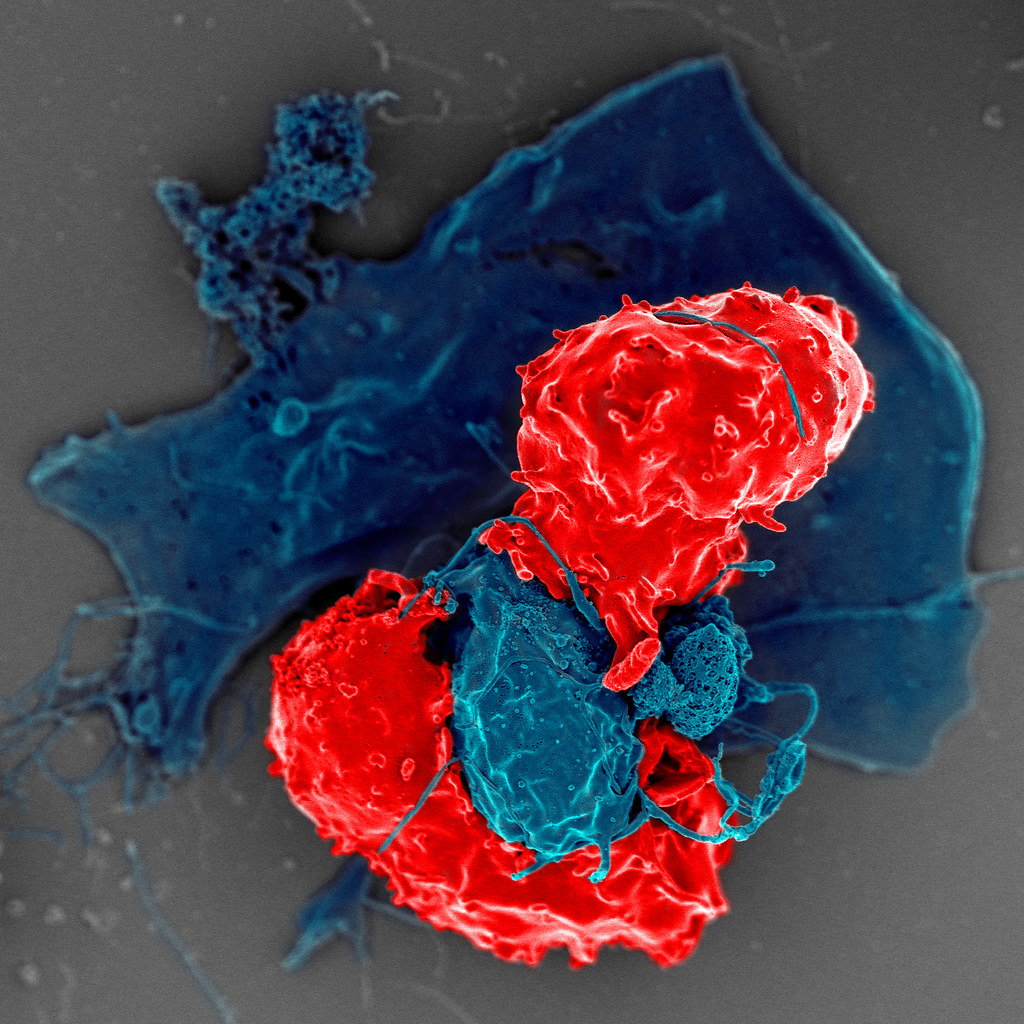
A comprehensive analysis in Frontiers in Science reveals that regulatory T cells employ a multi-layered immunological strategy that conventional drugs cannot replicate. Regulatory T cells suppress inflammatory signals through three distinct mechanisms: cytokine secretion (IL-10 and TGF-β), dendritic cell reprogramming, and inhibitory signaling via CTLA-4. These pathways achieve 90%, 75%, and 68% efficacy rates respectively.
This redundant, multi-mechanism architecture provides a crucial advantage over single-pathway pharmaceuticals. Most current immunosuppressive drugs target one inflammatory cascade, leaving alternative pathways intact. Regulatory T cells simultaneously address multiple immune dysregulation points, enabling robust immune tolerance restoration rather than temporary inflammation suppression.
The data-driven approach underscores why tolerance-based therapies represent a fundamentally superior strategy for long-term autoimmune disease management.
Was this article helpful?