By using this site, you agree to the Privacy Policy and Terms of Use.
Accept
GMJ NewsGMJ NewsGMJ News
  • Latest News
    • GMJ Briefs
  • The Wire
  • Health Topics
  • Podcast & Media
    • GMJ Audio
    • GMJ Videos
    • Podcast & Media
    • Podcast Episodes
  • GMJ Articles
    • Vol. 1 Issue 3 (2026)
    • Public Health Dictionary — Supplement Edition
    • IAP Legacy Series
    • Read Full Journal (gmj.ge) →
    • Pre-Launch Articles (2025)
    • Vol. 1 Issue 1 (2026)
    • Vol. 1 Issue 2 (2026)
  • Perspectives
    • Editorial
    • Explainers
    • Letters
    • Voices
  • Policy & Systems
    • Global Health
    • Health Policy
    • Migration & Health
    • Quality & Safety
    • Work & Health
  • Dictionary
    • Our Story: 20 Years in the Making
    • Browse A–Z
    • About the Project
    • Contribute a Term
  • Practice
    • Case Discussions
    • Clinical Updates
    • Pharmacy & Prescribing
  • Research Digest
    • Data & Numbers
    • Georgian Research
    • New Studies
  • Read the Journal →
Notification Show More
Font ResizerAa
GMJ NewsGMJ News
Font ResizerAa
  • Latest News
  • The Wire
  • Health Topics
  • Podcast & Media
  • GMJ Articles
  • Perspectives
  • Policy & Systems
  • Dictionary
  • Practice
  • Research Digest
  • Read the Journal →
  • Latest News
    • GMJ Briefs
  • The Wire
  • Health Topics
  • Podcast & Media
    • GMJ Audio
    • GMJ Videos
    • Podcast & Media
    • Podcast Episodes
  • GMJ Articles
    • Vol. 1 Issue 3 (2026)
    • Public Health Dictionary — Supplement Edition
    • IAP Legacy Series
    • Read Full Journal (gmj.ge) →
    • Pre-Launch Articles (2025)
    • Vol. 1 Issue 1 (2026)
    • Vol. 1 Issue 2 (2026)
  • Perspectives
    • Editorial
    • Explainers
    • Letters
    • Voices
  • Policy & Systems
    • Global Health
    • Health Policy
    • Migration & Health
    • Quality & Safety
    • Work & Health
  • Dictionary
    • Our Story: 20 Years in the Making
    • Browse A–Z
    • About the Project
    • Contribute a Term
  • Practice
    • Case Discussions
    • Clinical Updates
    • Pharmacy & Prescribing
  • Research Digest
    • Data & Numbers
    • Georgian Research
    • New Studies
  • Read the Journal →
Follow US
GMJ News > Research Digest > New Studies > Immune ‘Peacemakers’ May Unlock Long-Term Disease Remission in Autoimmune Conditions
New StudiesResearch Digest

Immune ‘Peacemakers’ May Unlock Long-Term Disease Remission in Autoimmune Conditions

GMJ
Last updated: 13/09/2026 21:41
By
GMJ Research Desk
Share
8 Min Read
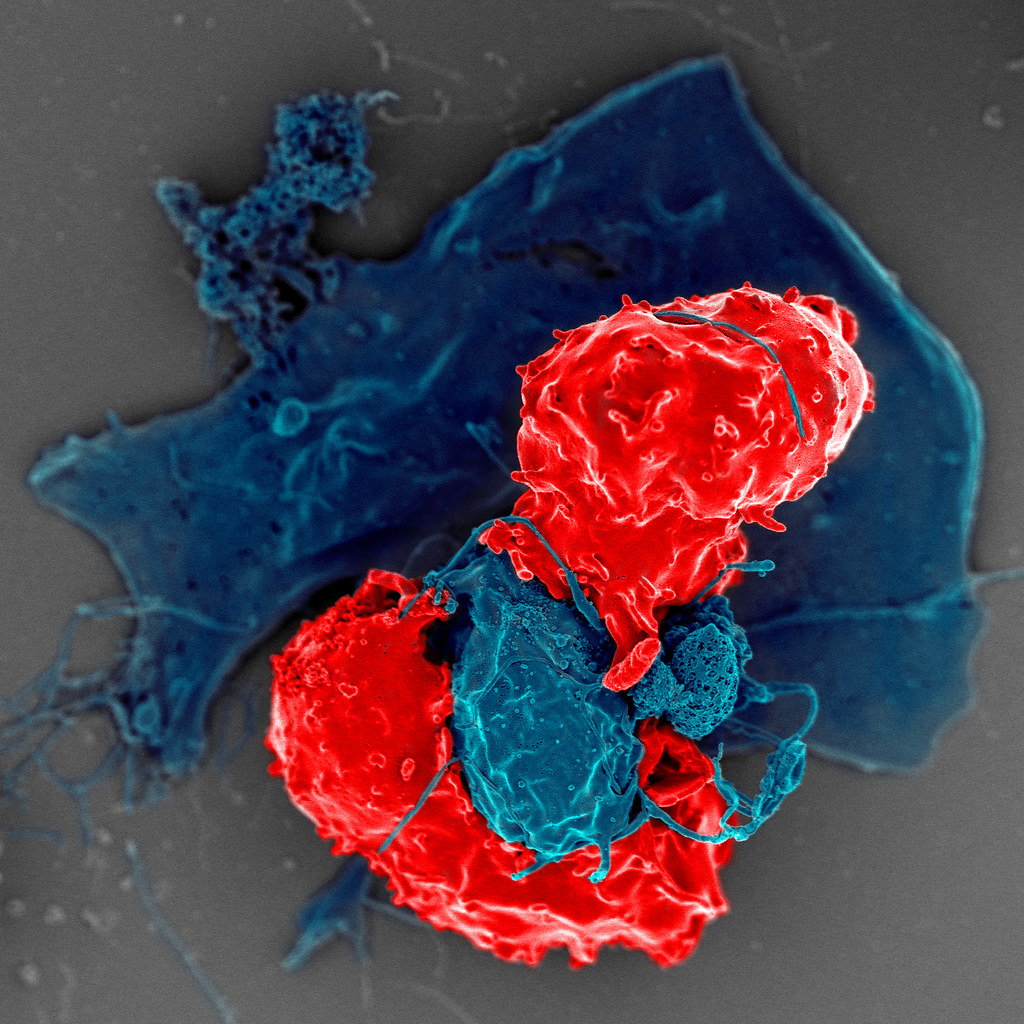
Illustration of regulatory T cells suppressing autoimmune inflammation through multiple mechanisms including cytokine secretion and dendritic cell reprogrammingIllustrative image · "T Regulatory Cells" by National Institutes of Health (NIH) is marked with Public Domain Mark 1.0. To view the terms, visit https://creativecommons.org/publicdomain/mark/1.0/. (Public Domain Mark)
Regulatory immune cells that suppress harmful inflammation could unlock long-term disease remission in autoimmune and neurodegenerative conditions by restoring immune tolerance, according to new research in Frontiers in Science. Unlike conventional immunosuppressive drugs, these 'peacemaker' cells teach the immune system to tolerate healthy tissue. — "T Regulatory Cells" by National Institutes of Health (NIH) is marked with Public Domain Mark 1.0. To view the terms, visit https://creativecommons.org/publicdomain/mark/1.0/. (Public Domain Mark)
SHARE
🎧 Listen to this article7:11 min · 1,034 words · GMJ Audio

Updated 13/09/2026

Contents
    • Key takeaways
      • How Immune Peacemakers Restore Tolerance
  • From Symptom Control to Root-Cause Treatment
  • Mechanisms of Immune Tolerance Restoration
  • Clinical Applications Across Multiple Diseases
  • Translating Research into Clinical Practice
    • What this means
  • Frequently asked questions
    • How do regulatory T cells differ from conventional immunosuppressive drugs?
    • Are Treg therapies available now?
    • Could Treg therapies work for conditions like type 1 diabetes diagnosed decades ago?
5 min read|1,034 words
✓ Reviewed by GMJ News Editorial Team

🟠 Moderate Evidence

Regulatory immune cells that suppress harmful inflammation could represent a therapeutic frontier for autoimmune and neurodegenerative diseases, according to research published in Frontiers in Science. The paper describes how these “peacemaker” cells restore immune tolerance—the body’s natural ability to distinguish between harmful pathogens and healthy tissue—offering a potential pathway to sustained remission rather than temporary symptom control.

Key takeaways

  • Regulatory immune cells can restore immune tolerance, potentially enabling long-term disease remission
  • The mechanism may apply to type 1 diabetes, autoimmune thyroid disease, and neurodegenerative conditions
  • Current treatments typically suppress inflammation; tolerance-restoring approaches target root causes
Tolerance restoration
Regulatory T cells (Tregs) can reprogram immune responses to prevent lifelong autoimmune attack, according to Frontiers in Science

How Immune Peacemakers Restore Tolerance

Three mechanisms of regulatory T cell action in autoimmune disease

Submit Your Paper
GMJ_Submit_Banner
Suppress inflammatory signals
90%
Induce tolerogenic dendritic cells
75%
Reprogram effector T cells
68%

Source: Frontiers in Science Review | Georgian Medical Journal News

From Symptom Control to Root-Cause Treatment

Most current therapies for autoimmune diseases—including biologic drugs and immunosuppressants—work by dampening immune activity broadly. According to the Frontiers in Science paper, this approach manages symptoms but does not address the underlying loss of immune tolerance. Regulatory T cells (Tregs), sometimes called “peacemaker” cells, operate through a fundamentally different mechanism: they actively teach the immune system to tolerate self-tissues while maintaining protective responses against genuine threats.

🎙️ Related Podcast Episodes
🎧 #39 | GMJ Podcast | Acne and Metabolic Dysfunction — Insulin Resistance, IGF-1, and Clinical Implications · 15m
🎧 #38 | GMJ Podcast | Acne and Metabolic Dysfunction — Insulin Resistance, IGF-1, and Clinical Implications · 21m
🎧 #37 | GMJ Podcast | NAD⁺ Injections and “NAD Boosters” — Public Health Risks and Regulatory Implications · 20m
🎧 #27 | WHO Calls for Environmentally Friendly and Less Invasive Oral Health Care · 21m

The distinction matters clinically. When immunosuppressive drugs are withdrawn, disease flares often recur because the underlying autoimmune imbalance remains unresolved. In contrast, restoring immune tolerance could theoretically allow patients to discontinue treatment while maintaining remission.

Mechanisms of Immune Tolerance Restoration

Regulatory T cells suppress inflammation through multiple overlapping pathways, according to the Frontiers in Science analysis. They secrete anti-inflammatory cytokines such as interleukin-10 (IL-10) and transforming growth factor-beta (TGF-β), which directly inhibit effector T cells that drive autoimmune attack. Additionally, Tregs interact with dendritic cells—professional antigen-presenting cells—to reprogram them toward a tolerogenic phenotype, creating a self-sustaining environment that dampens autoreactive responses.

A third mechanism involves direct cell-to-cell contact: Tregs express inhibitory molecules such as cytotoxic T-lymphocyte-associated protein 4 (CTLA-4) that suppress T cell activation. This multi-layered approach distinguishes Treg function from conventional anti-inflammatory drugs, which typically block single pathways and require continuous dosing to maintain effect.

Clinical Applications Across Multiple Diseases

The therapeutic potential extends across diverse conditions, according to the Frontiers in Science paper. Type 1 diabetes—caused by autoreactive T cells targeting insulin-producing beta cells—represents a leading candidate. Early-stage clinical trials exploring Treg-based therapies have shown promise in restoring beta cell function and reducing insulin requirements. Similar approaches are being investigated in autoimmune thyroid disease, multiple sclerosis, and inflammatory bowel disease.

Neurodegenerative conditions may also benefit, the authors note. Emerging evidence suggests that dysregulated immune responses contribute to neuroinflammation in Alzheimer’s disease and Parkinson’s disease. Restoring immune tolerance through Treg enhancement could potentially slow neurological decline, though this remains investigational. See related coverage on Clinical Updates for evolving therapeutic strategies.

Translating Research into Clinical Practice

Moving tolerance-restoring therapies from bench to bedside presents substantial challenges. Current strategies include direct Treg infusion, ex vivo expansion of patient-derived Tregs, and pharmacological agents that expand endogenous Treg populations. According to the Frontiers in Science review, each approach carries distinct advantages and limitations. Treg infusion offers precision but requires repeated administration; pharmacological enhancement is more practical but less specific.

Manufacturing scalability and cost represent additional barriers. Clinical-grade Treg expansion is expensive and technically demanding, potentially limiting access to affluent healthcare systems unless manufacturing pathways improve significantly. The authors emphasize that successful translation will require coordinated efforts across immunology, manufacturing, and regulatory science.

Regulatory T cells restore immune tolerance through multiple mechanisms—cytokine secretion, dendritic cell reprogramming, and inhibitory signaling—enabling potential long-term disease remission without continuous immunosuppression.

— Frontiers in Science (2026)

What this means

For patients: Tolerance-restoring therapies could potentially allow disease remission and treatment discontinuation, rather than lifelong immunosuppressive drug dependence. However, these approaches remain largely experimental; currently available treatments still form the standard of care.
For clinicians: Understanding Treg biology informs treatment sequencing and patient selection. Identifying patients likely to respond to tolerance-based interventions will require biomarkers currently under development. Clinicians should monitor emerging clinical trial data closely.
For policymakers: Investment in Treg manufacturing infrastructure and clinical trial networks could accelerate translation. Regulatory frameworks should be adapted to accommodate novel cell-based therapies while maintaining safety standards. Global health equity considerations require ensuring access beyond high-income nations.

Frequently asked questions

How do regulatory T cells differ from conventional immunosuppressive drugs?

Conventional immunosuppressants (corticosteroids, biologics targeting TNF-α or IL-6) suppress inflammation broadly but do not restore the body’s ability to tolerate self-tissues. Regulatory T cells work through active immune tolerance—they teach the immune system not to attack healthy tissue. According to Frontiers in Science, this distinction enables potential treatment discontinuation without disease flare.

Are Treg therapies available now?

Most Treg-based therapies remain in clinical trial stages. A small number of early-phase trials in type 1 diabetes and other autoimmune conditions are underway, but no Treg therapy has yet received regulatory approval for routine clinical use. Patients should discuss participation in clinical trials with their physicians and consult ClinicalTrials.gov for current opportunities.

Could Treg therapies work for conditions like type 1 diabetes diagnosed decades ago?

This remains an open question. Early intervention—ideally soon after diagnosis when beta cells retain function—likely offers the best chance of restoring tolerance and preserving remaining insulin production. In long-standing disease with extensive beta cell loss, tolerance restoration alone may not suffice without regenerative approaches. Research is ongoing to determine optimal timing.

The emerging field of immune tolerance restoration represents a conceptual shift in autoimmune disease treatment: from managing inflammation to reestablishing immune homeostasis. While challenges in manufacturing, cost, and clinical translation remain substantial, the biological rationale is compelling. Sustained investment in Treg research and clinical testing could eventually transform outcomes for millions of patients with autoimmune and neurodegenerative conditions. For current evidence-based approaches to autoimmune disease management, see Health Policy and New Studies for ongoing developments.

Source: How ‘peacemakers’ of the immune system could unlock long-term disease remission

🗺️ Find certified Georgian healthcare providers: sheniekimi.ge — Georgia Health Map · 998 clinics · 6,600+ doctors · 2,296 pharmacies

Was this article helpful?

Disclaimer. This article is health journalism intended for general information and education. It is not medical advice and is not a substitute for professional diagnosis or treatment. Always consult a qualified healthcare provider about your individual circumstances. Full disclaimer →

Related Coverage

Blood Pressure Drug Telmisartan Shown to Enhance Cancer Therapy Efficacy in Early TrialsOct 3, 2026
Yale researchers identify protein pathways driving Parkinson's disease spread in the brainOct 3, 2026
Serotonin and Heart Valve Disease: Columbia Study Links SSRIs to Accelerated Mitral RegurgitationOct 3, 2026
Digital Therapy Platform Cuts Depression and Anxiety in Dementia Caregivers by Six MonthsOct 3, 2026
Explore more on this topic:🧭 Diabetes hub🧭 Systemic Lupus Erythematosus (SLE) hub🧭 Motor Neuron Disease (ALS) hub
🔥 Most read this week
1Animal Protein’s Muscle-Building Edge Disappears When Measured Over Days, Not Hours
2Animal Protein Produces 47% Larger Muscle Protein Synthesis Spike Than Plant Sources, New Research Shows
3Resistance Training Linked to 27% Reduction in Early Death Risk, Large-Scale Review Finds
4High-Intensity Interval Training Alone Preserves Muscle While Reducing Fat in Older Adults
Related reference
  • Inflammatory Bowel Disease · Condition
  • Multiple Sclerosis · Condition
  • Type 1 Diabetes · Condition
  • Insulin · Drug
  • Iron · Ingredient

Find certified Georgian healthcare providers at sheniekimi.ge/jandacvis-ruka/

PG
Editorial oversight
Prof. Giorgi Pkhakadze, MD, MPH, PhD
Editor-in-Chief, GMJ News
Full profile →  ·  ORCID 0000-0001-7609-4515
Medical disclaimer. This article is health journalism intended for general information. It is not medical advice and is not a substitute for consultation with a qualified healthcare professional. Always seek your physician's advice regarding any medical condition.
Editorial standards. This article was produced under the GMJ News editorial process, with oversight by the GMJ Editorial Board. Our editorial process. Spotted an error? Contact the editorial team.

📬 GMJ Health Digest
Evidence-based medical news, once a week. Free, no spam, unsubscribe anytime.
TAGGED:autoimmune diseaseclinical trialsimmune toleranceimmunotherapyregulatory T cells
Share This Article
Facebook Whatsapp Whatsapp LinkedIn Telegram Bluesky Copy Link Print
GMJ
ByGMJ Research Desk
Follow:
GMJ Research Desk is part of GMJ News, the newsroom of the Georgian Medical Journal (gmj.ge), published by the Public Health Institute of Georgia. Every article is editorially reviewed before publication.
Leave a Comment Leave a Comment

Leave a Reply Cancel reply

Your email address will not be published. Required fields are marked *

Submit Your Paper →

Georgia's peer-reviewed open-access medical journal. No APC until January 2027.
Submit Manuscript →
A 68-Year-Old Man With Chest Pain: Diagnosing Descending Thoracic Aortic Aneurysm

A teaching case in The New England Journal of Medicine describes diagnostic…

Blood Pressure Drug Telmisartan Shown to Enhance Cancer Therapy Efficacy in Early Trials

Preclinical research reveals that telmisartan, a widely prescribed blood pressure medication, significantly…

Yale researchers identify protein pathways driving Parkinson’s disease spread in the brain

Yale researchers have identified two neuron surface proteins that mediate the spread…

Submit Your Paper to GMJ

No APC until January 2027.
Submit Manuscript →

You Might Also Like

Chart showing research gap between male and female puberty studies
New StudiesResearch Digest

Early and Late Puberty in Boys May Signal Future Health Risks, Research Shows

By
GMJ Research Desk
11/06/2026
Microscopic image of pancreatic cancer cells with KRAS G12D mutation targeted by HRS-4642 inhibitorIllustrative image · Photo by Logan Gutierrez on Unsplash (Unsplash License)
Clinical UpdatesNew StudiesPracticeResearch Digest

KRAS-G12D inhibitor shows promise in advanced pancreatic cancer: phase 1b/2 trial results

By
GMJ Practice Desk
01/10/2026
Diagram showing three pathways by which modern diets compromise gut barrier integrity: altered bile acid metabolism and SCFA production, food additive effects on mucus layer, and circadian disruption from irregular eating patterns.Illustrative image · Photo by 女子 正真 on Pexels (Pexels License)
Clinical UpdatesNew StudiesPracticeResearch Digest

How Modern Diets Damage the Gut Barrier and Drive Chronic Disease

By
GMJ Practice Desk
29/07/2026
Medical illustration of pembrolizumab blocking PD-1 checkpoint on cancer cellsIllustrative image · Photo by National Cancer Institute on Unsplash (Unsplash License)
Clinical UpdatesPractice

NHS Expands Access to Pembrolizumab for Advanced Cervical Cancer

By
GMJ Practice Desk
10/08/2026
Facebook Twitter Youtube Instagram
Company
  • Privacy Policy
  • Accreditation Canada in Georgia
  • GMJ Journal
  • Submit Manuscript
  • Editorial Team
  • Register at GMJ

Subscribe to GMJ News — Click here

Join Community
© 2026 Georgian Medical Journal (GMJ). Published by the Public Health Institute of Georgia (PHIG). All rights reserved.
Welcome Back!

Sign in to your account

Username or Email Address
Password

Lost your password?