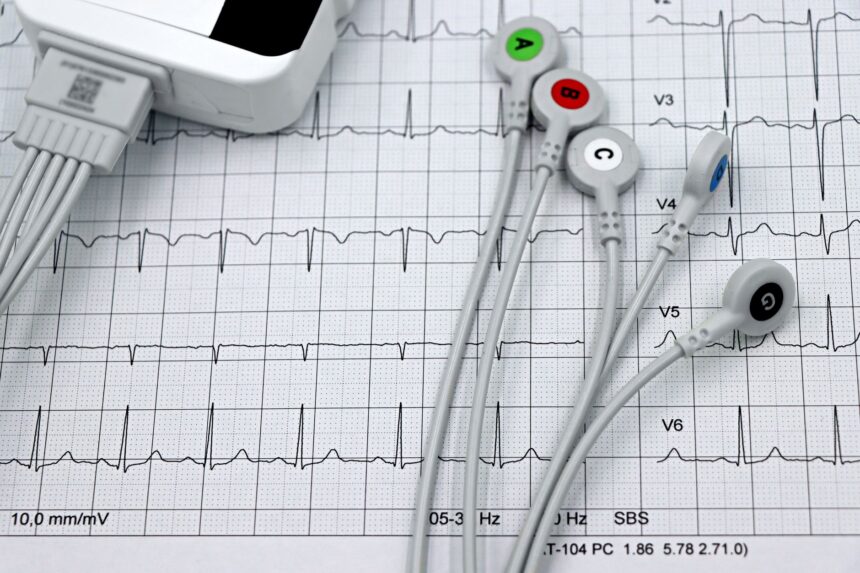
New data from Tampere University of Technology reveals a striking finding: high-dose alcohol consumption reduces heart rate variability-derived recovery by 39.2 percent during the first three hours of sleep. This significant suppression was documented in a study of 4,098 Finnish adults who wore continuous beat-to-beat heart rate monitors during normal daily life.
The research, published in JMIR Mental Health, demonstrates that the effect is independent of fitness level—a finding that challenges the assumption that physical conditioning might buffer against alcohol’s adverse effects on sleep physiology. All dose-related reductions were statistically significant (p < 0.001), indicating that alcohol reliably disrupts the parasympathetic nervous system's capacity to recover during sleep. The dose-response relationship was consistent across all participant demographics, from low-dose consumption producing a 9.3 percent reduction in recovery to high-dose consumption approaching a 40 percent deficit.
Read the full article on GMJ Newsroom.
Was this article helpful?