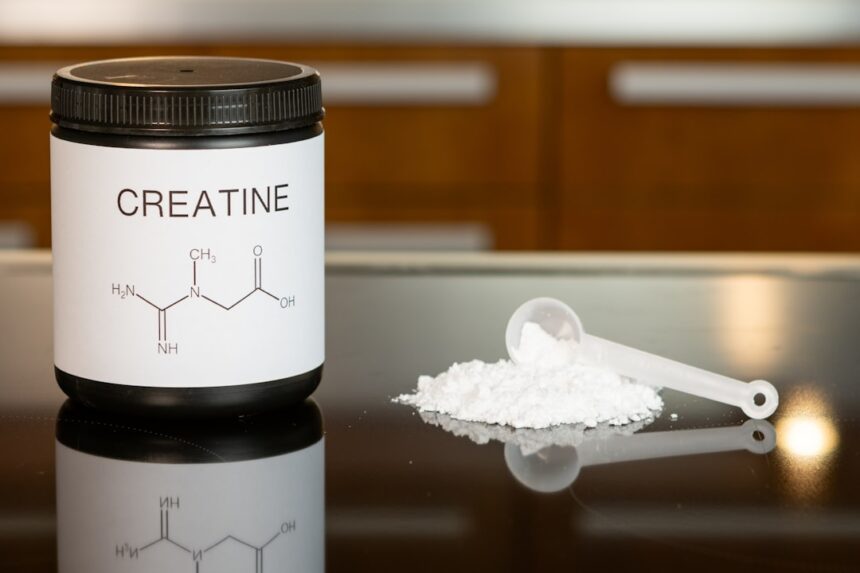
Understanding creatine metabolism requires knowledge of three interconnected processes. First, your body synthesizes creatine endogenously through kidney-liver cooperation: the kidneys combine arginine and glycine to form guanidinoacetate, which the liver converts into functional creatine through methylation. This natural production ensures continuous availability without dietary dependence.
Second, the phosphocreatine shuttle system powers rapid ATP regeneration during high-intensity muscle contractions and demanding cognitive tasks. Stored predominantly in skeletal muscle tissue, this pathway represents your body’s fastest energy buffer—essential for explosive athletic movements and sustained mental performance.
Third, creatine metabolism has clinical relevance beyond performance: creatinine, a creatine metabolite filtered by the kidneys, functions as a standard biomarker for assessing renal function in blood testing. This connection means understanding creatine physiology contributes to broader comprehension of kidney health and metabolic disease assessment.
Read the full article on GMJ Newsroom.

Was this article helpful?