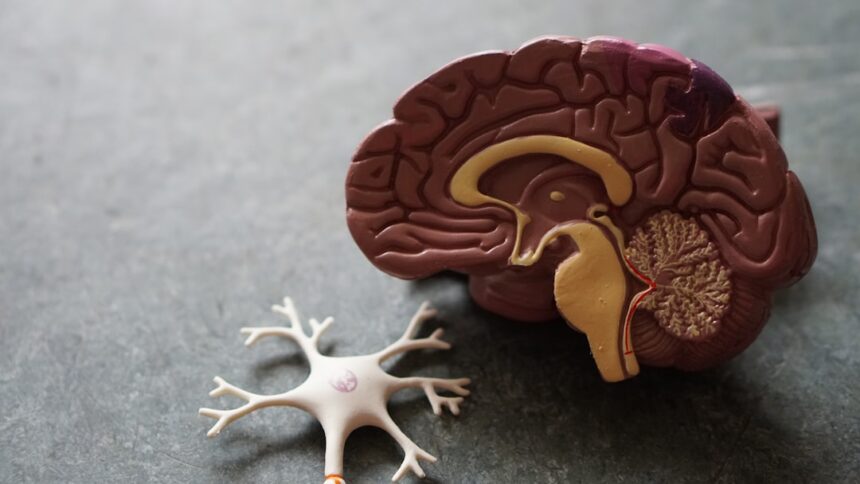
Understanding how the brain regulates inflammation requires knowledge of three interconnected mechanisms. First, the vagus nerve—your body’s longest cranial nerve—sends electrical signals directly from the brainstem to the spleen. Second, these signals trigger the release of acetylcholine and noradrenaline, chemical messengers that bind to receptors on immune cells called macrophages, dampening TNF-α cytokine production. Third, accessible practices including deep breathing and meditation naturally activate this brain-immune pathway without pharmacological intervention.
For patients with chronic inflammatory diseases like rheumatoid arthritis, these findings carry significant implications. Rather than relying exclusively on immunosuppressive medications, evidence-based non-pharmacological strategies can harness the brain’s innate inflammatory control system. Clinical trials using implanted vagus nerve stimulators have demonstrated measurable reductions in joint pain and inflammatory markers, validating the therapeutic potential of this neuro-immune axis. These discoveries suggest a complementary, drug-free approach to managing chronic inflammation.
Was this article helpful?