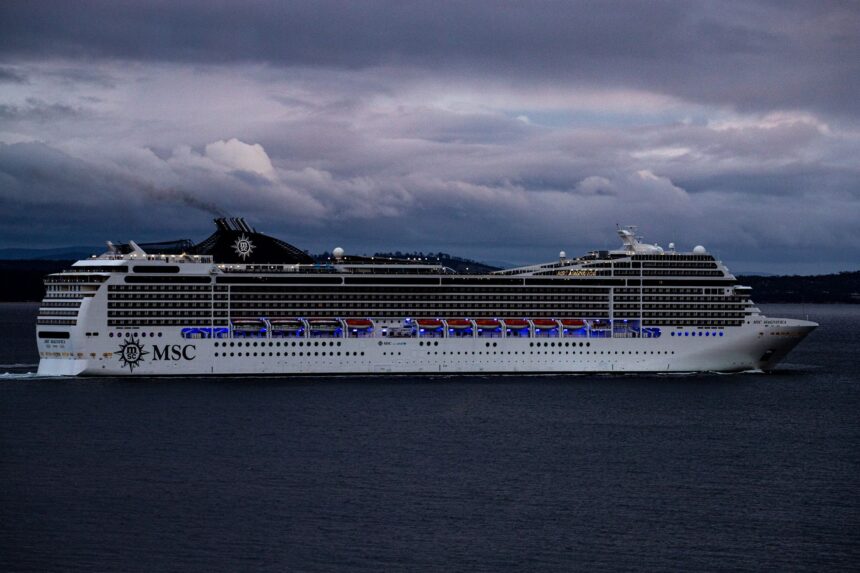
More than 125 passengers and crew members aboard a Princess Cruises vessel contracted a gastrointestinal virus during a voyage that concluded when the ship docked in San Francisco, according to federal health officials cited in reports published in July 2026. The outbreak highlights ongoing disease transmission risks in confined cruise ship environments, where close quarters and shared facilities create conditions favourable for rapid spread of highly contagious pathogens.
Key takeaways
- 125 passengers and crew members infected with gastrointestinal virus on Princess Cruises ship docking in San Francisco
- Cruise ship outbreaks remain a public health concern despite existing sanitation and isolation protocols
- Federal health authorities investigating transmission source and implementing containment measures
Cruise ship gastrointestinal outbreaks: a persistent challenge
Norovirus and similar pathogens spread rapidly in confined maritime environments due to shared dining, sanitation, and ventilation systems
Source: US CDC cruise ship surveillance data; medicalxpress.com, July 2026 | Georgian Medical Journal News
Federal health response and investigation
Federal health officials responded to the outbreak on the Princess Cruises ship, initiating standard epidemiological investigation and containment protocols. The US Centers for Disease Control and Prevention (CDC) monitors cruise ship illness outbreaks through its Vessel Sanitation Program, which requires reporting of gastrointestinal illnesses affecting 2% or more of passengers and crew aboard international vessels.

Authorities typically implement measures including isolation of symptomatic individuals, enhanced environmental sanitation, and guidance to passengers regarding hygiene practices. This incident underscores the importance of rapid detection and containment in maritime settings where disease can spread quickly across diverse populations sharing confined spaces.
125 passengers and crew members aboard a Princess Cruises vessel contracted a gastrointestinal virus during a voyage concluding in San Francisco in July 2026, according to federal health officials.
— US federal health authorities, medicalxpress.com (July 2026)
Transmission dynamics in maritime environments
Cruise ships present unique epidemiological challenges due to the concentration of people from diverse geographic origins sharing common spaces: dining facilities, cabins with recirculated air, entertainment venues, and sanitation systems. The World Health Organization recognises norovirus as one of the leading causes of acute gastroenteritis globally, with particular transmission risk in closed environments.
Previous cruise ship outbreaks documented in peer-reviewed literature demonstrate that even with enhanced sanitation protocols, norovirus and similar pathogens can infect substantial proportions of a vessel’s population. Research published in the medical literature indicates that secondary transmission to household contacts and community settings can occur when infected travellers disembark, extending public health impact beyond the ship itself.
Passenger notification and public health guidance
Passengers and crew members who were symptomatic received clinical assessment and isolation guidance to prevent further transmission. The CDC recommends that individuals with acute gastroenteritis remain isolated for at least 48 hours after symptom resolution to prevent transmission of viral pathogens.
Princess Cruises and federal health authorities coordinated to notify passengers of exposure and provide recommendations for monitoring and seeking care if symptoms develop. Public health communications emphasised hand hygiene, proper sanitation of surfaces, and the importance of reporting symptoms to healthcare providers. This multi-stakeholder approach reflects established cruise industry and CDC protocols for outbreak response. Health policy frameworks governing maritime health continue to evolve as cruise line capacity expands globally.
What this means
Frequently asked questions
What is norovirus and how does it spread?
Norovirus is a highly contagious virus causing acute gastroenteritis, typically resolving within 24–72 hours. It spreads person-to-person through contact with contaminated surfaces, respiratory droplets, and faecal-oral transmission. Cruise ship environments amplify transmission because passengers share dining facilities, lavatories, and recirculated air systems, according to CDC guidance.
Are cruise ship outbreaks common?
Yes. The CDC’s Vessel Sanitation Program tracks outbreaks on cruise ships regularly, and gastroenteritis remains the most frequently reported illness cluster on international vessels. Modern cruise ships carry 3,000–6,000 people in close proximity, creating ideal conditions for pathogen spread regardless of sanitation standards.
What should I do if I develop symptoms after cruise travel?
Isolate for at least 48 hours after symptom resolution, practise thorough hand hygiene, and avoid preparing food for others. Stay hydrated and seek medical care if symptoms are severe, persistent, or accompanied by signs of dehydration. Notify your healthcare provider of recent cruise travel to aid diagnosis.
This outbreak serves as a reminder that cruise ship health remains a priority for public health agencies globally. As international travel increases, strengthening disease surveillance, maintaining rigorous sanitation standards, and improving coordination between cruise lines and health authorities will remain essential to minimising future outbreaks and protecting both passenger health and community safety upon disembarkation.
Source: Passengers and crew hit with highly contagious stomach virus on cruise from San Francisco, medicalxpress.com (July 2026)
Was this article helpful?
Disclaimer. This article is health journalism intended for general information and education. It is not medical advice and is not a substitute for professional diagnosis or treatment. Always consult a qualified healthcare provider about your individual circumstances. Full disclaimer →
Related Coverage



Editorial standards. This article was produced under the GMJ News editorial process, with oversight by the GMJ Editorial Board. Our editorial process. Spotted an error? Contact the editorial team.