Updated 14/09/2026
A comprehensive analysis of nearly 70,000 adults followed for up to two decades reveals that regular consumption of soy foods, particularly fermented varieties like natto, is associated with measurably lower rates of major neurocognitive disorders. The findings highlight how dietary patterns may influence brain health through vascular and metabolic pathways that extend well beyond normal aging processes.
Soy Food Types Show Varying Protective Effects Against Cognitive Decline
Odds reduction for major neurocognitive disorders by soy food category, 2025 meta-analysis (PMID: 40917087)
Source: 2025 Systematic Review and Meta-analysis (PMID: 40917087) | Georgian Medical Journal News

Large-Scale Asian Cohorts Reveal Protective Association
The systematic review and dose-response meta-analysis (PMID: 40917087) examined six prospective cohort studies spanning Japan and Singapore, tracking 68,691 participants for periods ranging from five to twenty years. The 2025 meta-analysis found that higher total soy intake was associated with an 8% lower odds of developing major neurocognitive disorders across the study populations.
The analysis revealed significant variation in habitual soy consumption patterns, with reported daily intake ranging from 40 to 181 grams per day as measured through validated food-frequency questionnaires and dietary recalls, according to the 2025 systematic review (PMID: 40917087). This wide range reflects the diverse dietary practices across different regions and populations within the Asian cohorts studied.
Fermented Soy Foods Demonstrate Strongest Benefits
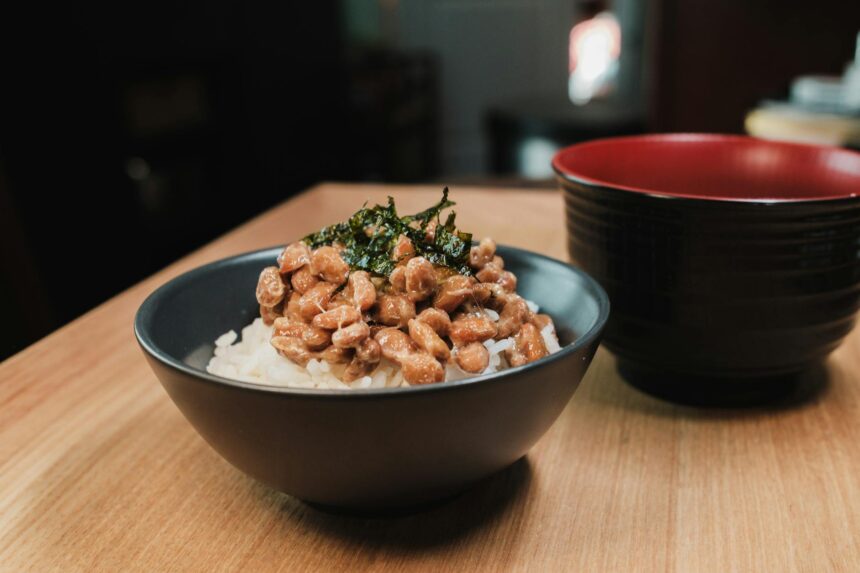
Among different types of soy foods analyzed, natto showed the most robust and consistent protective association according to the 2025 meta-analysis (PMID: 40917087). The published findings show that each additional gram of daily natto intake corresponded to a 14% reduction in odds of developing cognitive disorders, substantially higher than other soy food categories.
The enhanced benefits of fermented soy may stem from unique bioactive compounds produced during the fermentation process, according to the source material. These include vitamin K2 in the MK-7 form, bioactive peptides, and metabolites from probiotic bacteria, each of which has been independently linked to endothelial health and reduced neuroinflammation.
Vascular Mechanisms May Underlie Cognitive Protection
The protective effects were most pronounced in adults without prior stroke history, according to the 2025 meta-analysis (PMID: 40917087), suggesting that soy foods may work primarily through vascular or microcirculatory mechanisms rather than direct neuroprotective pathways. This finding aligns with growing evidence that vascular health plays a crucial role in maintaining cognitive function throughout aging.
Isoflavones found in soy foods have demonstrated anti-inflammatory properties and may help preserve the integrity of small blood vessels in the brain, as noted in the source material. The fermentation process in natto production may amplify these effects by increasing the bioavailability of key compounds and introducing additional neuroprotective metabolites.
Study Limitations and Future Directions
The observational nature of the cohort studies prevents definitive causal conclusions, and dietary intake measurements relied on participant self-reporting, according to the 2025 meta-analysis (PMID: 40917087). Additionally, the findings are geographically specific to Asian populations with traditionally high soy consumption patterns, as noted by the study authors.
The results cannot be directly generalized to Western populations where soy intake patterns and overall dietary contexts differ substantially, according to the source material. However, the source notes that separate research in Western populations has suggested similar correlations, warranting controlled intervention studies to establish causality.
Higher total soy intake was associated with an 8% lower odds of developing major neurocognitive disorders, with natto showing the strongest protective effect at 14% risk reduction per gram of daily intake.
— 2025 Systematic Review and Dose-Response Meta-analysis (PMID: 40917087)
Key takeaways
- Regular soy consumption, particularly fermented varieties, shows measurable association with reduced cognitive decline risk in large Asian cohort studies according to 2025 meta-analysis (PMID: 40917087)
- Natto demonstrates the strongest protective effects, potentially due to fermentation-derived bioactive compounds including vitamin K2 and probiotic metabolites
- The protective mechanism appears to involve vascular health pathways rather than direct neuroprotection, as effects were strongest in stroke-free participants according to the study
Frequently asked questions
How much soy food intake showed protective benefits?
The study populations consumed between 40-181 grams of soy foods daily according to the 2025 meta-analysis (PMID: 40917087), with benefits observed across this range. Even modest increases in natto consumption showed measurable associations with reduced cognitive decline risk.
Why might fermented soy be more beneficial than regular soy foods?
Fermentation produces unique bioactive compounds including vitamin K2, bioactive peptides, and probiotic metabolites that may enhance vascular health and reduce neuroinflammation, according to the source material. These compounds are not present in significant amounts in unfermented soy products.
Can these findings be applied to Western populations?
The current evidence comes specifically from Asian populations with traditional soy consumption patterns according to the 2025 meta-analysis (PMID: 40917087). While the source notes that separate Western studies suggest similar trends, controlled trials would be needed to establish definitive benefits in different dietary contexts.
Future research priorities include conducting randomized controlled trials in diverse populations and investigating the specific mechanisms through which fermented soy compounds influence brain vascular health, as suggested by the study limitations noted in the source material. Understanding these pathways could inform both dietary recommendations and the development of targeted interventions for cognitive health preservation.
Source: Cognitive decline is shaped by far more than age alone
{“@context”:”https://schema.org”,”@type”:”FAQPage”,”mainEntity”:[{“@type”:”Question”,”name”:”How much soy food intake showed protective benefits?”,”acceptedAnswer”:{“@type”:”Answer”,”text”:”The study populations consumed between 40-181 grams of soy foods daily according to the 2025 meta-analysis (PMID: 40917087), with benefits observed across this range. Even modest increases in natto consumption showed measurable associations with reduced cognitive decline risk.”}},{“@type”:”Question”,”name”:”Why might fermented soy be more beneficial than regular soy foods?”,”acceptedAnswer”:{“@type”:”Answer”,”text”:”Fermentation produces unique bioactive compounds including vitamin K2, bioactive peptides, and probiotic metabolites that may enhance vascular health and reduce neuroinflammation, according to the source material. These compounds are not present in significant amounts in unfermented soy products.”}},{“@type”:”Question”,”name”:”Can these findings be applied to Western populations?”,”acceptedAnswer”:{“@type”:”Answer”,”text”:”The current evidence comes specifically from Asian populations with traditional soy consumption patterns according to the 2025 meta-analysis (PMID: 40917087). While the source notes that separate Western studies suggest similar trends, controlled trials would be needed to establish definitive benefits in different dietary contexts.”}}]}
🗺️ Find certified Georgian healthcare providers: sheniekimi.ge — Georgia Health Map · 998 clinics · 6,600+ doctors · 2,296 pharmacies
Was this article helpful?
Disclaimer. This article is health journalism intended for general information and education. It is not medical advice and is not a substitute for professional diagnosis or treatment. Always consult a qualified healthcare provider about your individual circumstances. Full disclaimer →
Related Coverage

Editorial standards. This article was produced under the GMJ News editorial process, with oversight by the GMJ Editorial Board. Our editorial process. Spotted an error? Contact the editorial team.