By using this site, you agree to the Privacy Policy and Terms of Use.
Accept
GMJ NewsGMJ NewsGMJ News
  • Latest News
    • GMJ Briefs
  • Podcast & Media
    • Podcast Episodes
    • GMJ Audio
    • GMJ Videos
  • Research Digest
    • New Studies
    • Georgian Research
    • Data & Numbers
  • Policy & Systems
    • Health Policy
    • Quality & Safety
    • Migration & Health
    • Global Health
  • Practice
    • Clinical Updates
    • Case Discussions
    • Pharmacy & Prescribing
    • Ingredients A-Z
  • Perspectives
    • Editorial
    • Explainers
    • Voices
    • Letters
  • GMJ Articles
    • Vol. 1 Issue 2 (2026)
    • Vol. 1 Issue 1 (2026)
    • Pre-Launch Articles (2025)
  • Read the Journal →
  • About GMJ News
Notification Show More
Font ResizerAa
GMJ NewsGMJ News
Font ResizerAa
  • Latest News
    • GMJ Briefs
  • Podcast & Media
    • Podcast Episodes
    • GMJ Audio
    • GMJ Videos
  • Research Digest
    • New Studies
    • Georgian Research
    • Data & Numbers
  • Policy & Systems
    • Health Policy
    • Quality & Safety
    • Migration & Health
    • Global Health
  • Practice
    • Clinical Updates
    • Case Discussions
    • Pharmacy & Prescribing
    • Ingredients A-Z
  • Perspectives
    • Editorial
    • Explainers
    • Voices
    • Letters
  • GMJ Articles
    • Vol. 1 Issue 2 (2026)
    • Vol. 1 Issue 1 (2026)
    • Pre-Launch Articles (2025)
  • Read the Journal →
  • About GMJ News
Follow US
GMJ News > Research Digest > New Studies > Vitamin Deficiencies Disrupt Critical Biological Functions Across Multiple Body Systems
New Studies

Vitamin Deficiencies Disrupt Critical Biological Functions Across Multiple Body Systems

GMJ
Last updated: 25/05/2026 17:16
By
GMJ Research Desk
Share
7 Min Read
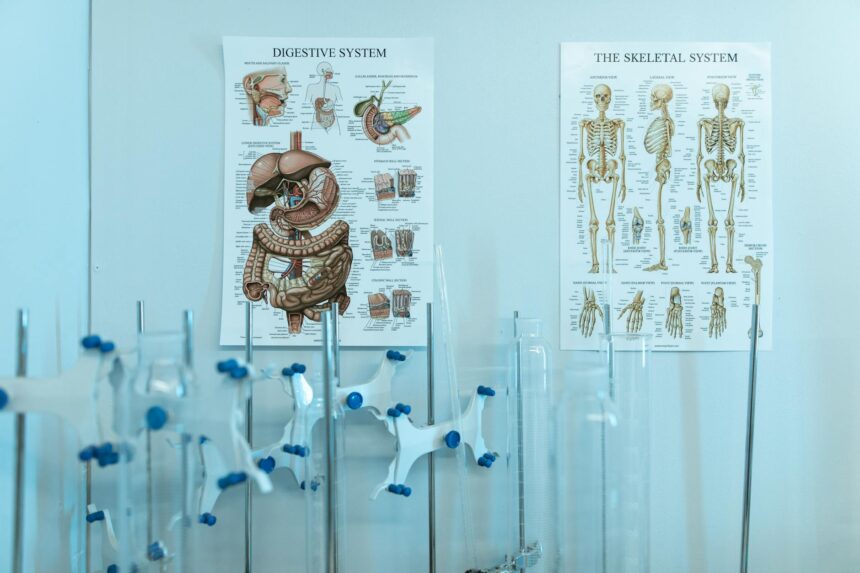
Diagram showing vitamin functions across different body systems and physiological processes
New research reveals how vitamin deficiencies create cascading effects across skeletal, immune, neurological, and blood systems. Understanding vitamins as biological operators rather than optional supplements could transform clinical practice. — Photo: RDNE Stock project / Pexels
SHARE
🎧 Listen to this article5:41 min · 809 words · GMJ Audio

Updated 25/05/2026

Contents
      • Vitamin Functions Across Body Systems
  • Vitamins Function as Biological Operators, Not Optional Supplements
  • System Integration Creates Cascading Health Effects
  • Bioavailability Determines Physiological Impact
  • Clinical Implications for Healthcare Practice
    • Key takeaways
  • Frequently asked questions
    • How do vitamin deficiencies affect multiple body systems simultaneously?
    • What is the difference between vitamin deficiency and insufficiency?
    • Why do some people absorb vitamins better than others?
4 min read|749 words

Vitamin deficiencies compromise essential biochemical pathways across skeletal, immune, neurological, and hematologic systems, creating cascading effects that extend far beyond isolated nutrient gaps. Vitamins function as cofactors, regulators, and structural enablers rather than interchangeable inputs, with deficiencies often manifesting as suboptimal physiological status rather than overt clinical disease.

13 vitamins
perform distinct biochemical functions essential for human health

Vitamin Functions Across Body Systems

Essential roles of key vitamins in major physiological processes

Vitamin D (Bone/Immune)
Critical
B12 (Neurological)
Essential
Folate (DNA synthesis)
Required
Vitamin C (Collagen)
Important
Vitamin K (Clotting)
Vital

Source: Biochemical Functions Analysis | Georgian Medical Journal News

Submit Your Paper
GMJ_Submit_Banner

Vitamins Function as Biological Operators, Not Optional Supplements

Vitamins operate as cofactors in enzymatic reactions and regulatory molecules in cellular processes, making them indispensable for normal physiological function. Each vitamin serves specific biochemical functions that cannot be performed by other nutrients. For instance, vitamin D regulates calcium absorption and immune cell activity, while B12 enables DNA synthesis and maintains myelin sheaths around nerve fibers. This specificity means that clinical deficiencies create predictable patterns of dysfunction.

System Integration Creates Cascading Health Effects

Vitamin deficiencies rarely present in isolation because physiological systems are interconnected through shared metabolic pathways. Hormonal balance, immune signaling, red blood cell formation, and neural integrity depend on coordinated vitamin activity.

🎙️ Related Podcast Episodes
🎧 #44 | GMJ Podcast | Infant Formula Contamination — Global Food Safety Failure and the Cereulide Outbreak · 21m
🎧 #53 | GMJ Podcast | Palliative Care in Georgia — Health System Gaps, Access Barriers, and Policy Implications · 16m
🎧 #55 | GMJ Podcast | How Georgian Medical Journal Entered the Swiss Academic System (ETH Library) · 4m
🎧 #54 | GMJ Podcast | The Blueprint of a Medical Journal: Designing an Open-Access Scientific Platform · 19m
🎧 #52 | GMJ Podcast | Health and Migration Knowledge Hub — A Global Resource for Evidence-Based Practice · 17m

The vitamin D-K-calcium pathway exemplifies this integration. Vitamin D enhances calcium absorption, vitamin K directs calcium to bones rather than soft tissues, and both vitamins regulate bone matrix proteins. Disruption at any point affects skeletal health, cardiovascular function, and immune responses simultaneously.

Suboptimal vitamin status often manifests as fatigue, impaired immunity, poor wound healing, and cognitive changes before progressing to clinically recognized deficiency diseases. This subclinical dysfunction affects quality of life and increases disease susceptibility across multiple body systems.

Bioavailability Determines Physiological Impact

The form, absorption efficiency, and nutrient interactions determine a vitamin’s physiological impact more than the amount consumed. Bioavailability varies significantly based on food matrix, individual genetics, and concurrent nutrient intake.

Fat-soluble vitamins (A, D, E, K) require dietary fat for absorption, while water-soluble B vitamins and vitamin C depend on specific transport proteins and cellular uptake mechanisms. Synthetic and natural vitamin forms may have different absorption rates and biological activities.

Nutrient pairing affects vitamin function at the cellular level. Vitamin C enhances iron absorption but can interfere with B12 uptake in large doses. Vitamin E protects vitamin A from oxidation, while adequate zinc supports vitamin A metabolism. These interactions highlight why comprehensive nutritional approaches often prove more effective than isolated supplementation.

Clinical Implications for Healthcare Practice

Understanding vitamins as biological operators rather than optional supplements shifts clinical practice from treatment to prevention and optimization. Healthcare providers increasingly recognize that suboptimal vitamin status contributes to chronic disease development and impaired recovery from illness.

Laboratory testing for vitamin levels provides objective data for clinical decision-making, but interpretation requires understanding of functional ranges rather than just deficiency thresholds. Population-wide vitamin insufficiencies represent significant public health challenges requiring systematic approaches beyond individual supplementation.

Key takeaways

  • Each of the 13 essential vitamins performs specific biochemical functions that cannot be substituted by other nutrients
  • Vitamin deficiencies create cascading effects across interconnected physiological systems rather than isolated symptoms
  • Suboptimal vitamin status often manifests as reduced performance before progressing to clinical deficiency diseases
  • Bioavailability, nutrient interactions, and individual genetics determine physiological impact more than dosage alone

Frequently asked questions

How do vitamin deficiencies affect multiple body systems simultaneously?

Vitamins participate in shared metabolic pathways across different organ systems. When a vitamin becomes deficient, all dependent biochemical processes are compromised, creating effects in bone health, immune function, neurological activity, and blood cell formation concurrently.

What is the difference between vitamin deficiency and insufficiency?

Deficiency represents severe depletion causing clinical disease, while insufficiency indicates suboptimal levels that impair physiological function without obvious symptoms. Many people experience vitamin insufficiency that affects energy, immunity, and healing capacity before developing recognizable deficiency diseases.

Why do some people absorb vitamins better than others?

Vitamin absorption depends on digestive health, genetic variations in transport proteins, dietary fat intake for fat-soluble vitamins, and interactions with other nutrients. Individual differences in gut bacteria, stomach acid production, and metabolic efficiency also influence how effectively vitamins are absorbed and utilized.

Future research will likely focus on personalized vitamin optimization based on individual genetic profiles, metabolic status, and environmental factors. As our understanding of vitamin functions at the molecular level advances, clinical practice will shift toward precision nutrition approaches that optimize biochemical pathways rather than simply preventing deficiency diseases.

Source: Every vitamin performs a defined biochemical function

Was this article helpful?

Disclaimer. This article is health journalism intended for general information and education. It is not medical advice and is not a substitute for professional diagnosis or treatment. Always consult a qualified healthcare provider about your individual circumstances. Full disclaimer →

Related Coverage

Popular Joint Supplement Glucosamine Linked to 25% Higher Alzheimer's RiskJul 6, 2026
Molecular Tumor Boards Reduce Death Risk by 13% in Cancer Patients, Meta-Analysis ShowsJul 6, 2026
Popular Joint Pain Supplement Glucosamine Linked to Accelerated Dementia RiskJul 6, 2026
Land Use Changes in Southeast Asia Linked to 13,000 Annual Deaths from Air PollutionJul 6, 2026
Related reference
  • Vitamin D · Ingredient
  • Vitamin C · Ingredient
  • Vitamin A · Ingredient
  • Vitamin E · Ingredient
  • Vitamin K · Ingredient
  • Calcium · Ingredient
  • Folate · Ingredient
  • Iron · Ingredient
PG
Written by
Prof. Giorgi Pkhakadze, MD, MPH, PhD
Editor-in-Chief, GMJ News
Full profile →  ·  ORCID 0000-0001-7609-4515
Medical disclaimer. This article is health journalism intended for general information. It is not medical advice and is not a substitute for consultation with a qualified healthcare professional. Always seek your physician's advice regarding any medical condition.
Medically reviewed by Prof. Giorgi Pkhakadze, MD, MPH, PhD. Spotted an error? Contact the editorial team.
Get the GMJ News digest
Evidence-based health journalism in your inbox. No spam; unsubscribe anytime.
TAGGED:biochemistrydeficiencyhealth systemsNutritionvitamins
Share This Article
Facebook LinkedIn Bluesky Copy Link Print
GMJ
ByGMJ Research Desk
Follow:
GMJ Research Desk is part of GMJ News, the newsroom of the Georgian Medical Journal (gmj.ge), published by the Public Health Institute of Georgia. Every article is editorially reviewed before publication.
Leave a Comment Leave a Comment

Leave a Reply Cancel reply

Your email address will not be published. Required fields are marked *

Submit Your Paper →

Georgia's peer-reviewed open-access medical journal. No APC until January 2027.
Submit Manuscript →
Popular Joint Supplement Glucosamine Linked to 25% Higher Alzheimer’s Risk

New research finds glucosamine supplement users face 25% higher risk of progressing…

Trump’s Health Care Affordability Czar Targets Hospital Costs in New Federal Initiative

Trump administration appoints new health care affordability czar targeting hospital pricing practices…

Eriksen’s Cardiac Device Successfully Activates During Football Match Collapse

Christian Eriksen's cardiac device successfully activated during his collapse, demonstrating the life-saving…

Submit Your Paper to GMJ

No APC until January 2027.
Submit Manuscript →

You Might Also Like

Infographic showing five different metabolic pathways leading to type 2 diabetes diagnosis
New StudiesResearch Digest

Five Distinct Diabetes Development Patterns Identified Years Before Diagnosis

By
GMJ Research Desk
12/06/2026
Medical illustration showing kidney and heart protection with finerenone treatmentIllustrative image · Photo by Robina Weermeijer on Unsplash (Unsplash License)
Clinical UpdatesNew StudiesPracticeResearch Digest

Finerenone Shows Cardiovascular Benefits in Non-Diabetic Chronic Kidney Disease Patients

By
GMJ Practice Desk
15/06/2026
Medical illustration showing stem cell-derived heart patch being placed on damaged cardiac tissue
New StudiesResearch Digest

Stem Cell Heart Patch Shows Promise in Advanced Heart Failure Trial

By
GMJ Research Desk
28/05/2026
Medical illustration showing CRISPR gene editing process for hereditary angioedema treatmentIllustrative image · Photo by Warren Umoh on Unsplash (Unsplash License)
New StudiesResearch Digest

First In Vivo CRISPR Gene Editing Treatment Shows Promise for Rare Blood Disorder

By
GMJ Research Desk
04/07/2026
Facebook Twitter Youtube Instagram
Company
  • Privacy Policy
  • Contact US
  • GMJ Journal
  • Submit Manuscript
  • Editorial Team
  • Register at GMJ
  • Terms of Use

Subscribe to GMJ News — Click here

Join Community
© 2026 Georgian Medical Journal (GMJ). Published by the Public Health Institute of Georgia (PHIG). All rights reserved.
Welcome Back!

Sign in to your account

Username or Email Address
Password

Lost your password?

Not a member? Sign Up