By using this site, you agree to the Privacy Policy and Terms of Use.
Accept
GMJ NewsGMJ NewsGMJ News
  • Latest News
    • GMJ Briefs
  • Podcast & Media
    • Podcast Episodes
    • GMJ Audio
    • GMJ Videos
  • Research Digest
    • New Studies
    • Georgian Research
    • Data & Numbers
  • Policy & Systems
    • Health Policy
    • Quality & Safety
    • Migration & Health
    • Global Health
  • Practice
    • Clinical Updates
    • Case Discussions
    • Pharmacy & Prescribing
    • Ingredients A-Z
  • Perspectives
    • Editorial
    • Explainers
    • Voices
    • Letters
  • GMJ Articles
    • Vol. 1 Issue 2 (2026)
    • Vol. 1 Issue 1 (2026)
    • Pre-Launch Articles (2025)
  • Read the Journal →
  • About GMJ News
Notification Show More
Font ResizerAa
GMJ NewsGMJ News
Font ResizerAa
  • Latest News
    • GMJ Briefs
  • Podcast & Media
    • Podcast Episodes
    • GMJ Audio
    • GMJ Videos
  • Research Digest
    • New Studies
    • Georgian Research
    • Data & Numbers
  • Policy & Systems
    • Health Policy
    • Quality & Safety
    • Migration & Health
    • Global Health
  • Practice
    • Clinical Updates
    • Case Discussions
    • Pharmacy & Prescribing
    • Ingredients A-Z
  • Perspectives
    • Editorial
    • Explainers
    • Voices
    • Letters
  • GMJ Articles
    • Vol. 1 Issue 2 (2026)
    • Vol. 1 Issue 1 (2026)
    • Pre-Launch Articles (2025)
  • Read the Journal →
  • About GMJ News
Follow US
GMJ News > Research Digest > New Studies > Aging Immune System Fails to Control Gut Microbiome, New Research Shows
New StudiesResearch Digest

Aging Immune System Fails to Control Gut Microbiome, New Research Shows

GMJ
Last updated: 20/06/2026 11:06
By
GMJ Research Desk
Share
4 Min Read
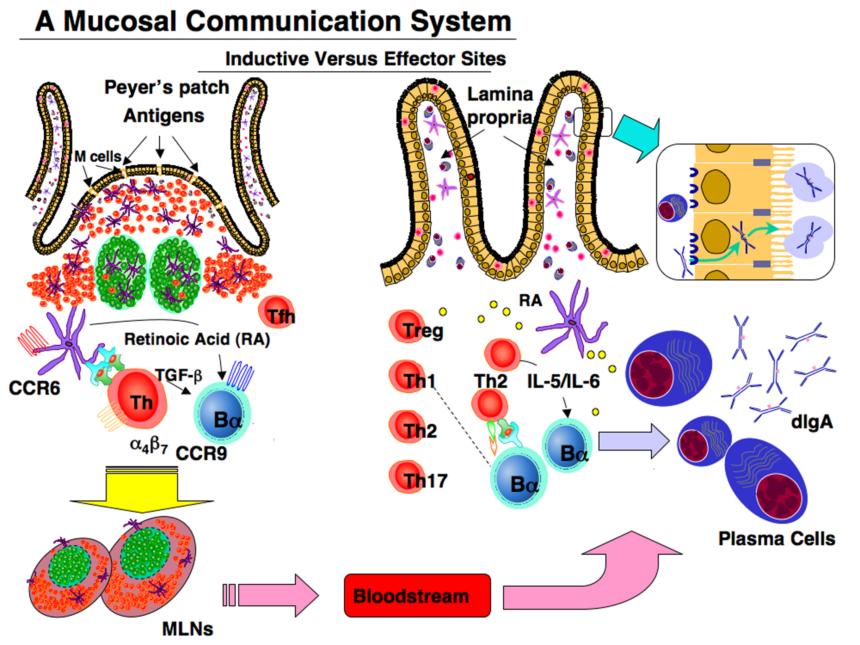
Scientific illustration showing gut microbiome changes with age and immune system declineIllustrative image · "The mucosal immune system (MIS) is interconnected, enabling it to protect vast surface areas" by McGhee JR, Fujihashi K is licensed under CC BY 4.0. To view a copy of this license, visit https://creativecommons.org/licenses/by/4.0/. (CC BY 4.0)
New research reveals how the aging immune system fails to control gut microbiome balance, leading to increased inflammation and disease risk. The findings suggest therapeutic targets for healthy aging. — "The mucosal immune system (MIS) is interconnected, enabling it to protect vast surface areas" by McGhee JR, Fujihashi K is licensed under CC BY 4.0. To view a copy of this license, visit https://creativecommons.org/licenses/by/4.0/. (CC BY 4.0)
SHARE
🎧 Listen to this article3:53 min · 541 words · GMJ Audio
3 min read|541 words

The human gut microbiome undergoes significant disruption as people age, with the immune system’s declining ability to regulate microbial communities emerging as a key factor. New research reveals how this loss of immunological control contributes to age-related inflammation and disease risk.

Contents
      • How Gut Microbiome Changes With Age
  • Immune Control Weakens Over Time
  • Inflammation Risk Increases
  • Clinical Implications Emerge
    • Key takeaways
  • Frequently asked questions
    • Why does the gut microbiome change with age?
    • How does microbiome imbalance affect health?
    • Can gut microbiome aging be prevented?
Trillions
of microorganisms live in the human gut, forming communities that lose balance with age

How Gut Microbiome Changes With Age

Key changes in microbial diversity and immune function across lifespan

Young adult diversity
85%
Middle-age stability
75%
Older adult diversity
45%

Source: Medical Xpress Research Review, 2026 | Georgian Medical Journal News

Immune Control Weakens Over Time

The gut microbiome maintains stability through complex interactions with the host immune system. As reported in the National Institutes of Health research review, this microbial community supports essential functions including digestion, metabolism, and immune responses.

Submit Your Paper
GMJ_Submit_Banner

Age-related changes in immune function appear central to microbiome disruption. The immune system’s ability to distinguish between beneficial and harmful microorganisms declines, allowing opportunistic species to proliferate while beneficial bacteria diminish.

🎙️ Related Podcast Episodes
🎧 #51 | GMJ Podcast | Global Health, Migration, and Health Systems Resilience · 14m
🎧 #55 | GMJ Podcast | How Georgian Medical Journal Entered the Swiss Academic System (ETH Library) · 4m
🎬 GMJ Video Series | Rare Case: Lung Cancer & Tuberculosis Coexistence
🎧 #54 | GMJ Podcast | The Blueprint of a Medical Journal: Designing an Open-Access Scientific Platform · 19m
🎧 #53 | GMJ Podcast | Palliative Care in Georgia — Health System Gaps, Access Barriers, and Policy Implications · 16m

Inflammation Risk Increases

Microbiome imbalance creates a cascade of inflammatory responses that characterize many age-related diseases. Research from Centers for Disease Control and Prevention indicates this “inflammaging” process contributes to conditions ranging from cardiovascular disease to cognitive decline.

The loss of microbial diversity particularly affects short-chain fatty acid production, which normally helps regulate inflammation. When these protective compounds decrease, chronic low-grade inflammation can develop throughout the body.

Understanding these mechanisms opens new avenues for therapeutic intervention. For more research developments, see our latest studies section.

Clinical Implications Emerge

These findings suggest that maintaining immune function may be crucial for preserving gut health in aging populations. Interventions targeting both immune senescence and microbiome composition could provide dual benefits for healthy aging.

Current research focuses on identifying specific immune pathways that regulate microbial communities. This knowledge could inform development of targeted therapies to restore microbiome balance in older adults.

The research also highlights the importance of early intervention strategies. Maintaining microbiome diversity throughout middle age may help prevent the dramatic changes observed in older populations. Our clinical updates section covers emerging therapeutic approaches.

The gut microbiome loses balance with age as diversity declines and certain microorganisms gain dominance, increasing inflammation risk

— Research Review, Medical Xpress (2026)

Key takeaways

  • Trillions of gut microorganisms lose balance as immune control weakens with age
  • Declining microbial diversity increases chronic inflammation risk
  • Understanding immune-microbiome interactions opens new therapeutic targets
  • Early intervention may prevent dramatic age-related microbiome changes

Frequently asked questions

Why does the gut microbiome change with age?

The aging immune system loses its ability to properly regulate microbial communities in the gut. This allows harmful bacteria to proliferate while beneficial species decline, disrupting the balanced ecosystem.

How does microbiome imbalance affect health?

Imbalanced gut microbiomes produce fewer protective compounds and more inflammatory signals. This contributes to chronic low-grade inflammation associated with age-related diseases including cardiovascular problems and cognitive decline.

Can gut microbiome aging be prevented?

Research suggests that maintaining immune function and microbiome diversity throughout middle age may help prevent dramatic changes in older adults. Targeted interventions addressing both immune senescence and microbial composition show promise.

Future research will likely focus on developing interventions that can restore the immune system’s ability to properly regulate gut microorganisms. This represents a promising avenue for promoting healthy aging and reducing age-related disease risk.

Source: How an aging immune system loses control over the gut microbiome

Was this article helpful?

Disclaimer. This article is health journalism intended for general information and education. It is not medical advice and is not a substitute for professional diagnosis or treatment. Always consult a qualified healthcare provider about your individual circumstances. Full disclaimer →

Related Coverage

Quitting Smoking Reduces Dementia Risk by 20%, Major Study FindsJun 23, 2026
Air pollution linked to 37% increase in healthcare costs across Iranian industrial citiesJun 23, 2026
Longevity Science Attracts $5.2 Billion in Investment as Movement Shifts from Fringe to MainstreamJun 22, 2026
PLOS Medicine Strengthens Code Sharing Requirements to Boost Research TransparencyJun 22, 2026
PG
Written by
Prof. Giorgi Pkhakadze, MD, MPH, PhD
Editor-in-Chief, GMJ News
Full profile →  ·  ORCID 0000-0001-7609-4515
Medical disclaimer. This article is health journalism intended for general information. It is not medical advice and is not a substitute for consultation with a qualified healthcare professional. Always seek your physician's advice regarding any medical condition.
Medically reviewed by Prof. Giorgi Pkhakadze, MD, MPH, PhD. Spotted an error? Contact the editorial team.

Get the GMJ News digest
Evidence-based health journalism in your inbox. No spam; unsubscribe anytime.
TAGGED:aging researchgut microbiomeimmune systeminflammationmicrobiome diversity
Share This Article
Facebook LinkedIn Bluesky Copy Link Print
GMJ
ByGMJ Research Desk
Follow:
GMJ Research Desk is part of GMJ News, the newsroom of the Georgian Medical Journal (gmj.ge), published by the Public Health Institute of Georgia. Every article is editorially reviewed before publication.
Leave a Comment Leave a Comment

Leave a Reply Cancel reply

Your email address will not be published. Required fields are marked *

Submit Your Paper →

Georgia's peer-reviewed open-access medical journal. No APC until January 2027.
Submit Manuscript →
Quitting Smoking Reduces Dementia Risk by 20%, Major Study Finds

New research published in Neurology shows quitting smoking reduces dementia risk by…

Birth Complications in Kenya Leave Lasting Impact on Families Beyond Hospital Discharge

New research from Kenya reveals that 73% of mothers who experience birth…

Mental health interventions show promise amid active armed conflict, scoping review finds

A comprehensive review of 47 studies reveals that mental health interventions can…

Submit Your Paper to GMJ

No APC until January 2027.
Submit Manuscript →

You Might Also Like

Hospital corridor with medical staff highlighting COVID-19 summer surge surveillance data
Data & NumbersGlobal HealthPolicy & SystemsResearch Digest

UK Reports Sharp Summer COVID-19 Rise as Hospitalizations Jump 24% in One Week

By
GMJ Research Desk
03/06/2026
Cyclist consuming sports drink during endurance exercise training session
New StudiesResearch Digest

Carbohydrate Intake During Exercise Shows Modest Muscle Glycogen Sparing Effects

By
GMJ Research Desk
23/05/2026
Chart comparing semaglutide and dulaglutide effectiveness in type 2 diabetes treatmentIllustrative image · Photo by Haberdoedas Photography on Pexels (Pexels License)
Clinical UpdatesNew StudiesPracticeResearch Digest

Weekly semaglutide outperforms dulaglutide for diabetes control in UK primary care study

By
GMJ Practice Desk
18/06/2026
Microscopic view of lab-grown brain organoids showing neural connections and regenerating nerve fibers
New StudiesResearch Digest

Lab-grown brain organoids reveal how to reverse ‘irreversible’ nerve damage

By
GMJ Research Desk
29/05/2026
Facebook Twitter Youtube Instagram
Company
  • Privacy Policy
  • Contact US
  • GMJ Journal
  • Submit Manuscript
  • Editorial Team
  • Register at GMJ
  • Terms of Use

Subscribe to GMJ News — Click here

Join Community
© 2026 Georgian Medical Journal (GMJ). Published by the Public Health Institute of Georgia (PHIG). All rights reserved.
Welcome Back!

Sign in to your account

Username or Email Address
Password

Lost your password?

Not a member? Sign Up