By using this site, you agree to the Privacy Policy and Terms of Use.
Accept
GMJ NewsGMJ NewsGMJ News
  • Latest News
    • GMJ Briefs
  • Podcast & Media
    • Podcast Episodes
    • GMJ Audio
    • GMJ Videos
  • Research Digest
    • New Studies
    • Georgian Research
    • Data & Numbers
  • Policy & Systems
    • Health Policy
    • Quality & Safety
    • Migration & Health
    • Global Health
  • Practice
    • Clinical Updates
    • Case Discussions
    • Pharmacy & Prescribing
    • Ingredients A-Z
  • Perspectives
    • Editorial
    • Explainers
    • Voices
    • Letters
  • Health Topics
  • GMJ Articles
    • Vol. 1 Issue 2 (2026)
    • Vol. 1 Issue 1 (2026)
    • Pre-Launch Articles (2025)
  • Read the Journal →
  • About GMJ News
Notification Show More
Font ResizerAa
GMJ NewsGMJ News
Font ResizerAa
  • Latest News
    • GMJ Briefs
  • Podcast & Media
    • Podcast Episodes
    • GMJ Audio
    • GMJ Videos
  • Research Digest
    • New Studies
    • Georgian Research
    • Data & Numbers
  • Policy & Systems
    • Health Policy
    • Quality & Safety
    • Migration & Health
    • Global Health
  • Practice
    • Clinical Updates
    • Case Discussions
    • Pharmacy & Prescribing
    • Ingredients A-Z
  • Perspectives
    • Editorial
    • Explainers
    • Voices
    • Letters
  • Health Topics
  • GMJ Articles
    • Vol. 1 Issue 2 (2026)
    • Vol. 1 Issue 1 (2026)
    • Pre-Launch Articles (2025)
  • Read the Journal →
  • About GMJ News
Follow US
GMJ News > Research Digest > Data & Numbers > Uninsured Gunshot Wound Patients Discharged Faster From Florida Hospitals, Data Shows
Data & NumbersGlobal HealthPolicy & SystemsQuality & SafetyResearch Digest

Uninsured Gunshot Wound Patients Discharged Faster From Florida Hospitals, Data Shows

GMJ
Last updated: 12/07/2026 13:29
By
GMJ Research Desk
Share
7 Min Read
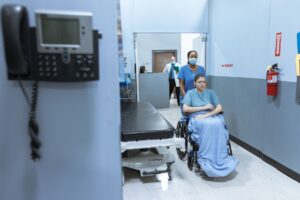
Hospital discharge data comparing insurance status among gunshot wound patientsIllustrative image · Photo by Markus Spiske on Unsplash (Unsplash License)
Analysis of Florida hospitalisation data by KFF Health News and The Trace reveals that uninsured gunshot wound patients are discharged significantly faster than insured patients, raising concerns about equity in trauma care delivery. — Photo by Markus Spiske on Unsplash (Unsplash License)
SHARE
4 min read|891 words
✓ Reviewed by GMJ News Editorial Team

Uninsured patients with gunshot wounds in Florida are discharged from hospital significantly faster than their insured counterparts, according to an analysis of state hospitalisation data by KFF Health News and The Trace. Uninsured patients represented approximately 1 in 4 of the more than 20,000 gunshot wound inpatient hospitalisations across Florida from 2018 to 2024, yet experienced markedly shorter lengths of stay than patients with any form of insurance coverage.

Contents
    • Key takeaways
      • Gunshot Wound Hospitalisations in Florida by Insurance Status
  • Disparities in length of stay and clinical outcomes
  • Economic factors and hospital discharge practices
  • Implications for policy and practice
    • What this means
  • Frequently asked questions
    • Why do uninsured patients have shorter hospital stays?
    • Is early discharge harmful for gunshot wound patients?
    • What can hospital systems do to address this disparity?

Key takeaways

  • Uninsured patients account for roughly 25% of gunshot wound hospitalisations in Florida (2018–2024), but are discharged more rapidly than insured patients
  • Shorter hospital stays for uninsured patients raise questions about whether clinical need or economic factors drive discharge decisions
  • The pattern aligns with broader healthcare equity concerns in the United States regarding access and quality of trauma care
25%
Proportion of gunshot wound hospitalisations in Florida involving uninsured patients, 2018–2024, according to analysis by KFF Health News and The Trace

Gunshot Wound Hospitalisations in Florida by Insurance Status

Distribution of 20,000+ inpatient admissions, 2018–2024

Insured (private/public)
75%
Uninsured
25%

Source: KFF Health News & The Trace analysis of Florida state hospitalisation data, 2024 | Georgian Medical Journal News

Disparities in length of stay and clinical outcomes

The KFF Health News and The Trace analysis found that uninsured gunshot wound patients experienced systematically shorter hospital stays compared to insured patients. This pattern persisted across multiple years and hospital settings, suggesting a structural rather than incidental phenomenon. The findings raise concerns about whether discharge decisions reflect clinical stability or institutional financial pressures.

Submit Your Paper
GMJ_Submit_Banner

Research on trauma care disparities has previously documented inequities in access to specialised services and intensive care. See related reporting on health equity and access disparities for broader context on systemic healthcare barriers. The Florida data adds gunshot wound care to a growing list of conditions where insurance status appears to influence inpatient management.

🎙️ Related Podcast Episodes
🎧 #21 | WHO Issues New Guidance on Novel Snakebite Treatments · 14m

Economic factors and hospital discharge practices

Uninsured gunshot wound patients in Florida hospitals are discharged earlier than insured patients, despite potential complexity of trauma injuries requiring extended monitoring and rehabilitation.

— Analysis by KFF Health News and The Trace, 2024

Hospital discharge decisions are shaped by multiple factors: clinical stability, rehabilitation readiness, and—increasingly—financial constraints. Uninsured patients often face barriers to outpatient follow-up care, meaning early discharge can delay healing and increase readmission risk. The KFF Health News analysis did not separately report readmission rates, but earlier discharge of less-resourced patients raises equity concerns documented in trauma literature.

This aligns with findings from hospital quality and safety research, which shows that financial pressures can influence clinical decision-making. For discussion of similar patterns in other jurisdictions, see global health policy reporting.

Implications for policy and practice

The shorter stays for uninsured gunshot wound patients may reflect a combination of factors: reduced access to intermediate care facilities, inability to afford extended rehabilitation, and institutional incentives to reduce uncompensated care costs. Florida’s lack of universal insurance coverage means uninsured trauma patients often lack continuity of follow-up, potentially increasing complications and long-term disability.

State policymakers and hospital administrators face pressure to address these disparities through expanded Medicaid access, dedicated trauma follow-up programmes, and transparent reporting of outcomes by insurance status. The data suggests that clinical protocols alone may be insufficient to ensure equitable trauma care without addressing underlying insurance gaps.

What this means

For patients: Uninsured gunshot wound patients should advocate for comprehensive outpatient follow-up plans before discharge and seek community health centre support if unable to afford ongoing private care.
For clinicians: Trauma surgeons and hospital discharge teams should explicitly screen for insurance barriers and social support before discharging gunshot wound patients, and document clinical justification for discharge timing independent of insurance status.
For policymakers: Expanding Medicaid coverage and funding trauma follow-up clinics for uninsured patients could reduce early discharge driven by financial pressure rather than clinical need, and improve long-term outcomes.

Frequently asked questions

Why do uninsured patients have shorter hospital stays?

The analysis by KFF Health News and The Trace did not definitively establish causation. Possible factors include: reduced access to intermediate care (which may necessitate earlier discharge home), hospital discharge protocols influenced by reimbursement concerns, or differences in injury severity—though the latter was not directly measured in the available data.

Is early discharge harmful for gunshot wound patients?

Gunshot wounds often require extended monitoring for wound healing, infection prevention, and rehabilitation. Early discharge without adequate outpatient support can delay recovery and increase readmission risk. Trauma care guidelines recommend individualised discharge planning with documented clinical rationale, but the The Trace analysis does not report readmission or complication data by insurance status.

What can hospital systems do to address this disparity?

Hospitals can implement explicit protocols ensuring discharge decisions are documented by clinical criteria alone, expand partnerships with safety-net clinics for uninsured follow-up care, and publicly report outcomes by insurance status. State funding for trauma follow-up programmes for uninsured patients can reduce pressure for early discharge driven by financial constraints.

The Florida data underscores a persistent challenge in U.S. healthcare: trauma outcomes may be shaped as much by insurance status as by injury severity or clinical need. Addressing this requires both hospital-level policy changes and broader expansion of insurance access and post-acute care funding. As gun violence remains a significant public health crisis in the United States, ensuring equitable trauma care across all populations should be a priority for hospital systems and state health authorities.

Source: KFF Health News and The Trace analysis: Uninsured Florida gunshot victims discharged faster from hospitals

Was this article helpful?

Disclaimer. This article is health journalism intended for general information and education. It is not medical advice and is not a substitute for professional diagnosis or treatment. Always consult a qualified healthcare provider about your individual circumstances. Full disclaimer →

Related Coverage

Diclegis Access Crisis: Why a Proven Pregnancy Nausea Drug Remains Out of Reach for Many NHS PatientsAug 13, 2026
US-China biotech restrictions risk alienating Chinese-American scientists, policy expert warnsAug 13, 2026
Medical Groups Warn Gender-Affirming Care Bans Undermine Child Safety, Not Protect ItAug 13, 2026
How US Hospital Operators Exploit Emergency Care Loopholes While Generating MillionsAug 12, 2026
Explore more on this topic:🧭 Post-Traumatic Stress Disorder (PTSD) hub🧭 Motor Neuron Disease (ALS) hub🧭 Rheumatoid Arthritis hub
🔥 Most read this week
1Creatine Kidney Damage Myth Debunked by Major Safety Review of 26,000 Participants
2Magnesium Form May Not Matter for Cognitive Benefits, New Meta-Analysis Suggests
3Why High-Dose Vitamin B12 Supplements Work Despite Poor Absorption
4How Coffee Brewing Method Affects Cholesterol: The Science Behind Diterpenes and Filters
PG
Editorial oversight
Prof. Giorgi Pkhakadze, MD, MPH, PhD
Editor-in-Chief, GMJ News
Full profile →  ·  ORCID 0000-0001-7609-4515
Medical disclaimer. This article is health journalism intended for general information. It is not medical advice and is not a substitute for consultation with a qualified healthcare professional. Always seek your physician's advice regarding any medical condition.
Editorial standards. This article was produced under the GMJ News editorial process, with oversight by the GMJ Editorial Board. Our editorial process. Spotted an error? Contact the editorial team.

📬 GMJ Health Digest
Evidence-based medical news, once a week. Free, no spam, unsubscribe anytime.
TAGGED:Florida health datagunshot woundshealthcare equityinsurance disparitiestrauma care
Share This Article
Facebook LinkedIn Bluesky Copy Link Print
GMJ
ByGMJ Research Desk
Follow:
GMJ Research Desk is part of GMJ News, the newsroom of the Georgian Medical Journal (gmj.ge), published by the Public Health Institute of Georgia. Every article is editorially reviewed before publication.
Leave a Comment Leave a Comment

Leave a Reply Cancel reply

Your email address will not be published. Required fields are marked *

Submit Your Paper →

Georgia's peer-reviewed open-access medical journal. No APC until January 2027.
Submit Manuscript →
Diclegis Access Crisis: Why a Proven Pregnancy Nausea Drug Remains Out of Reach for Many NHS Patients

A clinically approved pregnancy nausea medication remains inconsistently available across NHS trusts,…

US-China biotech restrictions risk alienating Chinese-American scientists, policy expert warns

Broad legislative restrictions on US-China biotech research risk discouraging Chinese-American scientists from…

Medical Groups Warn Gender-Affirming Care Bans Undermine Child Safety, Not Protect It

Physicians warn that legislative bans on gender-affirming care for transgender youth undermine…

Submit Your Paper to GMJ

No APC until January 2027.
Submit Manuscript →

You Might Also Like

Illustration of protein sources and older adults exercising, representing optimal nutrition for healthy agingIllustrative image · Photo by www.kaboompics.com on Pexels (Pexels License)
Clinical UpdatesExplainersNew StudiesPerspectivesPracticeResearch Digest

Beyond Minimum Requirements: New Evidence Suggests Higher Protein Intake Supports Healthy Aging

By
GMJ Practice Desk
05/08/2026
WHO delegates at Seventy-ninth World Health Assembly voting on pandemic preparedness resolutions
Health Policy

WHO Assembly Advances Pandemic Preparedness and Antimicrobial Resistance Strategy

By
GMJ Policy Desk
21/05/2026
Map showing dengue transmission risk zones across California with climate change projectionsIllustrative image · Photo by Robert So on Pexels (Pexels License)
New StudiesResearch Digest

Dengue transmission risk in California set to expand dramatically under climate change

By
GMJ Research Desk
21/06/2026
International survey on cardio-oncology training presented at ESC Cardio-Oncology 2026 conferenceIllustrative image · Photo by Thirdman on Pexels (Pexels License)
Clinical UpdatesHealth PolicyPolicy & SystemsPractice

International Survey Reveals Critical Gaps in Cardio-Oncology Training Despite Rising Clinical Demand

By
GMJ Practice Desk
14/07/2026
Facebook Twitter Youtube Instagram
Company
  • Privacy Policy
  • Contact US
  • GMJ Journal
  • Submit Manuscript
  • Editorial Team
  • Register at GMJ
  • Terms of Use

Subscribe to GMJ News — Click here

Join Community
© 2026 Georgian Medical Journal (GMJ). Published by the Public Health Institute of Georgia (PHIG). All rights reserved.
Welcome Back!

Sign in to your account

Username or Email Address
Password

Lost your password?

Not a member? Sign Up