By using this site, you agree to the Privacy Policy and Terms of Use.
Accept
GMJ NewsGMJ NewsGMJ News
  • Latest News
  • GMJ Briefs
  • Research Digest
    • New Studies
    • Georgian Research
    • Data & Numbers
  • Policy & Systems
    • Health Policy
    • Quality & Safety
    • Migration & Health
    • Global Health
  • Practice
    • Clinical Updates
    • Case Discussions
    • Pharmacy & Prescribing
  • Perspectives
    • Editorial
    • Explainers
    • Voices
    • Letters
  • Podcast & Media
    • Podcast Episodes
    • Video
    • Infographics
  • GMJ Articles
    • Vol. 1 Issue 2 (2026)
    • Vol. 1 Issue 1 (2026)
    • Pre-Launch Articles (2025)
  • Read the Journal →
Notification Show More
Font ResizerAa
GMJ NewsGMJ News
Font ResizerAa
  • Latest News
  • GMJ Briefs
  • Research Digest
    • New Studies
    • Georgian Research
    • Data & Numbers
  • Policy & Systems
    • Health Policy
    • Quality & Safety
    • Migration & Health
    • Global Health
  • Practice
    • Clinical Updates
    • Case Discussions
    • Pharmacy & Prescribing
  • Perspectives
    • Editorial
    • Explainers
    • Voices
    • Letters
  • Podcast & Media
    • Podcast Episodes
    • Video
    • Infographics
  • GMJ Articles
    • Vol. 1 Issue 2 (2026)
    • Vol. 1 Issue 1 (2026)
    • Pre-Launch Articles (2025)
  • Read the Journal →
Follow US
GMJ News > Practice > Clinical Updates > Zinc-Copper Imbalance: How High-Dose Zinc Supplements Create Hidden Deficiencies
Clinical UpdatesPractice

Zinc-Copper Imbalance: How High-Dose Zinc Supplements Create Hidden Deficiencies

GMJ
Last updated: 05/24/2026 15:31
By
GMJ News Desk
Share
6 Min Read
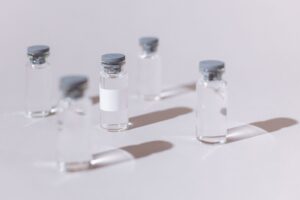
Infographic showing zinc and copper supplement bottles with ratio measurements
High-dose zinc supplements can cause copper deficiency within weeks due to competitive absorption. Research shows optimal supplementation requires a 15:1 zinc-to-copper ratio to prevent mineral imbalance. — Photo: Gundula Vogel / Pexels
SHARE

High-dose zinc supplementation without adequate copper creates one of the most overlooked mineral deficiencies in modern nutrition, according to nutritional biochemistry research. The two essential trace minerals compete for the same intestinal absorption pathway, leading to functional copper deficiency when zinc intake exceeds physiological needs.

Contents
      • Daily mineral requirements vs common supplement doses
  • Shared transport system creates competition
  • Early warning signs often missed
  • Evidence-based supplementation strategies
    • Key takeaways
  • Frequently asked questions
    • How quickly can zinc supplementation cause copper deficiency?
    • Should I take zinc and copper at the same time?
    • Can you get enough copper from food while taking zinc supplements?
15:1
optimal zinc-to-copper ratio for supplementation to prevent mineral imbalance

Daily mineral requirements vs common supplement doses

Recommended daily intake compared to typical supplement amounts, mg per day

Zinc supplements
30mg
Zinc RDA (men)
11mg
Copper RDA

0.9mg

Copper in zinc pills

0mg

Source: National Institutes of Health, 2022 | Georgian Medical Journal News

Shared transport system creates competition

Zinc and copper utilize the same intestinal transporter proteins, primarily ZIP4 and CTR1, according to research published in Physiological Reviews. When zinc intake exceeds 30mg daily, copper absorption can decrease by up to 60%, leading to functional deficiency despite adequate dietary copper intake.

Submit Your Paper
GMJ_Submit_Banner

This competition mechanism explains why zinc supplementation protocols in clinical trials often include copper co-supplementation. The National Institutes of Health specifically warns against long-term zinc supplementation without copper monitoring. Clinical updates in mineral metabolism continue to emphasize this critical interaction.

Early warning signs often missed

Copper deficiency secondary to zinc supplementation presents with subtle but progressive symptoms that are frequently misdiagnosed. Research in The American Journal of Clinical Nutrition identified fatigue, neutropenia (low white blood cell count), and iron-refractory anemia as the earliest indicators.

Neurological symptoms including peripheral neuropathy and ataxia represent advanced copper deficiency, according to case studies in Journal of the American College of Nutrition. These manifestations can take months to years of zinc excess to develop but may require extended copper repletion to reverse.

The challenge lies in recognition, as many healthcare providers don’t routinely assess copper status in patients taking zinc supplements. Quality and safety protocols increasingly recommend baseline and follow-up copper measurements for anyone taking more than 15mg zinc daily.

Evidence-based supplementation strategies

Optimal zinc-copper ratios in supplementation range from 8:1 to 15:1, based on absorption kinetics research published in The Journal of Nutrition. This translates to approximately 1mg copper for every 15mg zinc in supplement formulations.

Food-based approaches remain preferable when possible, as naturally occurring mineral ratios in whole foods provide built-in balance. Oysters, for example, contain both minerals in physiologically appropriate ratios, while beef liver provides highly bioavailable copper to complement zinc from other sources.

Timing strategies can also minimize competition. Some practitioners recommend separating high-dose zinc from copper-rich meals by 2-3 hours, though evidence for this approach remains limited compared to balanced co-supplementation.

Zinc supplementation at doses exceeding 30mg daily without copper co-supplementation can reduce copper absorption by up to 60% within weeks

— Dr. Janet King, University of California Davis (American Journal of Clinical Nutrition, 2000)

Key takeaways

  • Zinc and copper compete for intestinal absorption through shared transport proteins
  • Daily zinc doses above 15mg should include 1mg copper to prevent deficiency
  • Copper deficiency symptoms include fatigue, low white blood cells, and iron-resistant anemia
  • Food sources provide naturally balanced mineral ratios preferable to isolated supplements

Frequently asked questions

How quickly can zinc supplementation cause copper deficiency?

Functional copper deficiency can develop within 4-6 weeks of high-dose zinc supplementation (>30mg daily). However, severe symptoms like neuropathy typically require months to years of imbalanced intake.

Should I take zinc and copper at the same time?

Yes, taking them together in a 15:1 ratio is more effective than separating doses. The competition occurs at the absorption site regardless of timing within the same meal period.

Can you get enough copper from food while taking zinc supplements?

Dietary copper alone may not compensate for high-dose zinc supplementation due to the competitive inhibition at intestinal transporters. Copper-rich foods should be consumed regularly, but balanced supplementation is more reliable.

Future research continues to refine optimal zinc-copper ratios for specific populations and health conditions. Current evidence strongly supports balanced mineral supplementation over isolated high-dose protocols, particularly for long-term use in healthy individuals seeking immune or metabolic benefits.

Source: Zinc + Copper: The Ratio That Really Matters


TAGGED:copper deficiencymineral absorptionnutritional biochemistrysupplement safetyzinc supplements
Share This Article
Facebook Copy Link Print
Leave a Comment Leave a Comment

Leave a Reply Cancel reply

Your email address will not be published. Required fields are marked *

Submit Your Paper →

Georgia's peer-reviewed open-access medical journal. No APC until January 2027.
Submit Manuscript →
L-Arginine Shows Unexpected Brain Benefits Beyond Blood Vessel Function

L-arginine demonstrates unexpected neurological benefits beyond cardiovascular health, improving brain blood flow…

Apigenin Sleep and Longevity Claims Face Scientific Scrutiny

Apigenin features in popular sleep supplements and longevity protocols despite limited human…

New Study Reveals How Alcohol Disables Gut Immune Defenses, Worsening Liver Disease

New research published in Nature reveals how chronic alcohol consumption disables gut…

Submit Your Paper to GMJ

No APC until January 2027.
Submit Manuscript →

You Might Also Like

Anatomical diagram showing spinal nerve branches controlling different body systems and organs
Clinical UpdatesPractice

Spinal Nerve Network Controls Body Functions Beyond Back Pain, Research Shows

By
GMJ News Desk
Medical chart comparing NSAID exposure and congenital malformations in pregnancy
Pharmacy & Prescribing

First-Trimester NSAIDs and Birth Defects: Large Cohort Study Finds No Increased Risk

By
GMJ News Desk
Clinical laboratory showing advanced cell and gene therapy preparation in a controlled environment
Clinical Updates

New guidance on advanced therapy clinical trials: What researchers need to know

By
GMJ News Desk
Infographic showing pharmaceutical waste management statistics among Malaysian pharmacists
Pharmacy & Prescribing

Malaysian Pharmacists Show Critical Gaps in Pharmaceutical Waste Management

By
GMJ News Desk
Facebook Twitter Youtube Instagram
Company
  • Privacy Policy
  • Contact US
  • GMJ Journal
  • Submit Manuscript
  • Editorial Team
  • Register at GMJ
  • Terms of Use

Sign Up For Free

Subscribe to our newsletter and don't miss out on our programs, webinars and trainings.

[mc4wp_form]

Join Community
Made by ThemeRuby using the Foxiz theme. Powered by WordPress
© 2026 Georgian Medical Journal (GMJ). Published by the Public Health Institute of Georgia (PHIG). All rights reserved.
Welcome Back!

Sign in to your account

Username or Email Address
Password

Lost your password?

Not a member? Sign Up