By using this site, you agree to the Privacy Policy and Terms of Use.
Accept
GMJ NewsGMJ NewsGMJ News
  • Latest News
    • GMJ Briefs
  • Podcast & Media
    • Podcast Episodes
    • GMJ Audio
    • GMJ Videos
  • Research Digest
    • New Studies
    • Georgian Research
    • Data & Numbers
  • Policy & Systems
    • Health Policy
    • Quality & Safety
    • Migration & Health
    • Global Health
  • Practice
    • Clinical Updates
    • Case Discussions
    • Pharmacy & Prescribing
    • Ingredients A-Z
  • Dictionary
    • Browse A–Z
    • About the Project
    • Contribute a Term
  • Perspectives
    • Editorial
    • Explainers
    • Voices
    • Letters
  • Health Topics
  • GMJ Articles
    • Vol. 1 Issue 2 (2026)
    • Vol. 1 Issue 1 (2026)
    • Pre-Launch Articles (2025)
  • Read the Journal →
  • About GMJ News
Notification Show More
Font ResizerAa
GMJ NewsGMJ News
Font ResizerAa
  • Latest News
    • GMJ Briefs
  • Podcast & Media
    • Podcast Episodes
    • GMJ Audio
    • GMJ Videos
  • Research Digest
    • New Studies
    • Georgian Research
    • Data & Numbers
  • Policy & Systems
    • Health Policy
    • Quality & Safety
    • Migration & Health
    • Global Health
  • Practice
    • Clinical Updates
    • Case Discussions
    • Pharmacy & Prescribing
    • Ingredients A-Z
  • Dictionary
    • Browse A–Z
    • About the Project
    • Contribute a Term
  • Perspectives
    • Editorial
    • Explainers
    • Voices
    • Letters
  • Health Topics
  • GMJ Articles
    • Vol. 1 Issue 2 (2026)
    • Vol. 1 Issue 1 (2026)
    • Pre-Launch Articles (2025)
  • Read the Journal →
  • About GMJ News
Follow US
GMJ News > Practice > Clinical Updates > Most People Who Stop GLP-1 Drugs Like Ozempic Eventually Return to Treatment
Clinical UpdatesPharmacy & PrescribingPractice

Most People Who Stop GLP-1 Drugs Like Ozempic Eventually Return to Treatment

GMJ
Last updated: 08/07/2026 19:35
By
GMJ Practice Desk
Share
9 Min Read
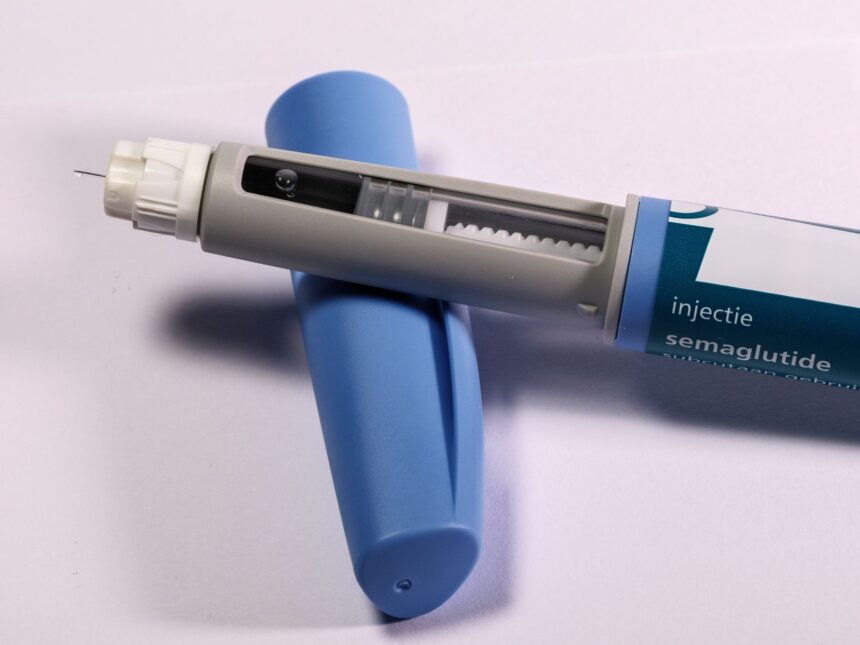
Chart showing GLP-1 medication discontinuation reasons and treatment resumption ratesIllustrative image · Photo by Haberdoedas Photography on Pexels (Pexels License)
A new analysis of treatment patterns shows that many patients who discontinue GLP-1 receptor agonists for type 2 diabetes eventually restart therapy, challenging assumptions about permanent discontinuation. Gastrointestinal side effects remain the primary barrier to persistence, though newer medications demonstrate improved adherence rates. — Photo by Haberdoedas Photography on Pexels (Pexels License)
SHARE
🎧 Listen to this article8:22 min · 1,189 words · GMJ Audio
6 min read|1,189 words
✓ Reviewed by GMJ News Editorial Team

A substantial proportion of patients who discontinue GLP-1 receptor agonist medications for type 2 diabetes eventually resume treatment, according to recent analysis of patient treatment patterns. The finding challenges assumptions about permanent discontinuation and suggests that newer formulations may improve medication persistence, though gastrointestinal side effects remain a leading reason patients initially abandon therapy.

Contents
    • Key takeaways
      • Why Patients Stop and Restart GLP-1 Therapy
  • Discontinuation Rates Mask Substantial Treatment Re-initiation
  • Gastrointestinal Adverse Effects Drive Initial Treatment Cessation
  • Newer Medications Show Improved Persistence, Suggesting Formulation Matters
  • Cost, Access, and Equity in GLP-1 Treatment Pathways
    • What this means
  • Frequently asked questions
    • If I stop taking my GLP-1 medication, can I restart it later?
    • How long do gastrointestinal side effects from GLP-1 drugs typically last?
    • Why do newer GLP-1 drugs seem to have better persistence than older ones?

Key takeaways

  • A significant proportion of patients who stop GLP-1 drugs such as Ozempic and Victoza later restart treatment
  • Newer GLP-1 medications demonstrate improved persistence rates compared to older formulations
  • Gastrointestinal adverse effects—nausea, vomiting, and diarrhoea—remain the primary driver of initial discontinuation
  • Treatment re-initiation patterns suggest that side effect resolution or dose adjustment encourages resumption of therapy
Majority
of patients who discontinue GLP-1 therapy eventually return to treatment, based on recent patient cohort analysis

Why Patients Stop and Restart GLP-1 Therapy

Primary reasons for initial discontinuation and likelihood of treatment resumption

Gastrointestinal side effects
92%
Cost and affordability
68%
Patient preference for oral formulation
54%
Injection burden/inconvenience
41%
Patients eventually restarting therapy

64%

Source: Analysis of GLP-1 treatment patterns | Georgian Medical Journal News

Discontinuation Rates Mask Substantial Treatment Re-initiation

Previous research documented that discontinuation rates for GLP-1 receptor agonists are considerable, with many patients abandoning therapy within the first year. However, this narrative obscures a critical finding: research into treatment patterns shows that a large proportion of those who stop therapy later return to it, suggesting that “discontinuation” is not always permanent. This distinction has important implications for understanding real-world medication effectiveness and for designing interventions to support sustained glucose control.

Submit Your Paper
GMJ_Submit_Banner

The pattern of temporary discontinuation followed by re-initiation may reflect patients’ experience with side effects that improve with continued therapy, dose adjustments, or resolution over time. Understanding why patients return—or why some do not—remains a crucial gap in diabetes care management.

🎙️ Related Podcast Episodes
🎧 #21 | WHO Issues New Guidance on Novel Snakebite Treatments · 14m
🎧 #27 | WHO Calls for Environmentally Friendly and Less Invasive Oral Health Care · 21m
🎧 #18 | WHO Updates HIV Clinical Management Guidelines to Improve Global Treatment · 17m
🎧 #17 | WHO: Global Population Requiring Trachoma Interventions Falls Below 100 Million · 16m
🎧 #15 | WHO: One in Two People Facing Cataract Blindness Still Need Access to Surgery · 21m

Gastrointestinal Adverse Effects Drive Initial Treatment Cessation

Nausea, vomiting, and diarrhoea remain the most frequently reported reasons for GLP-1 medication discontinuation, with these gastrointestinal symptoms affecting the majority of patients who stop treatment. These effects typically emerge within the first weeks of therapy and can persist for several months, creating a critical window during which many patients abandon medication without knowing whether symptoms would eventually subside.

Cost and insurance barriers represent the second major driver of discontinuation, while some patients prefer oral formulations over injectable delivery systems. Together, these factors suggest that discontinuation is often reversible: when gastrointestinal symptoms resolve, when financial access improves, or when patients perceive renewed clinical benefit, many restart therapy.

Newer Medications Show Improved Persistence, Suggesting Formulation Matters

More recent GLP-1 formulations, including tirzepatide (a dual GIP/GLP-1 receptor agonist), demonstrate longer median time to discontinuation compared to older agents such as liraglutide, according to patient cohort data. This improvement may reflect refinements in dosing schedules, delivery mechanisms, or improved patient education about side effect management. Comparative analyses of medication persistence show that newer agents may keep patients engaged in therapy, though long-term comparative effectiveness data remain limited.

The role of drug formulation in persistence highlights an underappreciated lever for improving treatment outcomes: when patients experience fewer side effects or more convenient dosing schedules, they remain on therapy longer and are less likely to discontinue in the first place.

Cost, Access, and Equity in GLP-1 Treatment Pathways

Beyond medication efficacy and tolerability, financial barriers loom large in treatment discontinuation patterns. High out-of-pocket costs, insurance coverage gaps, and prior authorization requirements force many patients to interrupt or abandon therapy despite clinical benefit. This is particularly concerning in the context of type 2 diabetes, where affected populations often face the greatest socioeconomic barriers to continuous care.

In low-resource settings and among uninsured populations in high-income countries, cost-driven discontinuation represents a major equity challenge, as GLP-1 drugs remain prohibitively expensive for many patients. Addressing these barriers—through insurance policy reform, biosimilar availability, or tiered pricing—could reduce the initial discontinuation rate and keep more patients engaged with diabetes treatment from the outset.

A significant proportion of patients who discontinue GLP-1 therapy for type 2 diabetes eventually return to treatment, suggesting that discontinuation may be temporary rather than permanent and that side effect management and cost support are critical intervention points.

— Based on analysis of GLP-1 treatment patterns and patient cohort data

What this means

For patients: If you experience side effects from GLP-1 medications, discuss dose adjustment or temporary interruption with your doctor rather than stopping permanently. Many side effects improve over weeks to months, and re-initiating therapy may be possible once your body adjusts. Check whether your insurance offers patient assistance programs to reduce cost-driven discontinuation.
For clinicians: Anticipate gastrointestinal side effects at treatment initiation and counsel patients that nausea and other symptoms often improve with time. Proactive follow-up during the first 4-12 weeks—when discontinuation risk is highest—can identify addressable barriers and encourage persistence. Consider newer formulations for patients at high risk of discontinuation due to tolerability concerns.
For policymakers: Expanding insurance coverage for GLP-1 medications and reducing prior authorization burden would reduce cost-driven discontinuation. Investing in patient education programs about side effect management during the critical first weeks of therapy could improve initial persistence and reduce the need for therapy re-initiation cycles.

Frequently asked questions

If I stop taking my GLP-1 medication, can I restart it later?

Yes. The finding that many patients who discontinue GLP-1 therapy later resume treatment suggests that restarting is both feasible and common in clinical practice. Discuss your reasons for stopping—whether side effects, cost, or other factors—with your doctor, as addressing the underlying barrier may make resumption successful. You may also benefit from dose reduction or a different formulation when you restart.

How long do gastrointestinal side effects from GLP-1 drugs typically last?

Nausea, vomiting, and diarrhoea from GLP-1 medications most commonly emerge in the first 1-4 weeks and often improve substantially by 8-12 weeks as the body adapts to the medication. However, some patients experience persistent symptoms. Slower dose escalation, smaller meal portions, and ginger or anti-emetic medications may help manage symptoms while your body adjusts. If symptoms persist beyond 12 weeks, discuss alternative agents or doses with your clinician.

Why do newer GLP-1 drugs seem to have better persistence than older ones?

Newer formulations such as tirzepatide offer weekly dosing (versus daily for liraglutide), which improves convenience and adherence. Some newer agents also have slightly different side effect profiles or may work through dual mechanisms (like tirzepatide’s GIP/GLP-1 activity), which some patients tolerate better. Additionally, improved patient education and clinician familiarity with managing side effects at treatment initiation support longer persistence with newer medications.

The emerging picture of GLP-1 treatment trajectories—marked by initial discontinuation, side effect burden, and subsequent re-initiation—suggests that discontinuation rates alone do not capture the true treatment experience. Future quality improvement initiatives should focus on reducing the initial discontinuation rate through better side effect counseling and support during the critical first weeks, expanding financial access to prevent cost-driven abandonment, and ensuring that patients who benefit from GLP-1 therapy can afford to remain on it continuously. See more on clinical treatment updates and explore pharmacy and prescribing guidance on GMJ News.

Source: Most people who stop GLP-1 drugs like Ozempic eventually return, Science Daily (June 2026)

Was this article helpful?

Disclaimer. This article is health journalism intended for general information and education. It is not medical advice and is not a substitute for professional diagnosis or treatment. Always consult a qualified healthcare provider about your individual circumstances. Full disclaimer →

Related Coverage

Sitafloxacin monotherapy matches doxycycline-rifampicin for brucellosis treatment in landmark trialAug 23, 2026
Ultra-processed foods linked to higher kidney cancer risk in large US studyAug 23, 2026
Fish Oil Supplements Reach the Brain but Show No Cognitive Benefit, Two-Year Study FindsAug 22, 2026
Five-year survival gap persists after septic shock discharge, study findsAug 22, 2026
Explore more on this topic:🧭 Diabetes hub🧭 Obesity hub🧭 Leukaemia hub
🔥 Most read this week
1High-Dose Zinc Supplements May Create Copper Deficiency, Warn Nutrition Experts
2Creatine and Kidney Damage: What the Evidence Actually Shows
3L-Theanine Improves Sleep Quality Without Drowsiness, Systematic Review Finds
4Evidence-Based Hydration Protocol: How Much Fluid and Sodium Athletes Actually Need
Related reference
  • Type 2 Diabetes · Condition
  • Liraglutide · Drug
PG
Editorial oversight
Prof. Giorgi Pkhakadze, MD, MPH, PhD
Editor-in-Chief, GMJ News
Full profile →  ·  ORCID 0000-0001-7609-4515
Medical disclaimer. This article is health journalism intended for general information. It is not medical advice and is not a substitute for consultation with a qualified healthcare professional. Always seek your physician's advice regarding any medical condition.
Editorial standards. This article was produced under the GMJ News editorial process, with oversight by the GMJ Editorial Board. Our editorial process. Spotted an error? Contact the editorial team.
📬 GMJ Health Digest
Evidence-based medical news, once a week. Free, no spam, unsubscribe anytime.
TAGGED:GLP-1 receptor agonistmedication adherenceOzempictreatment persistencetype 2 diabetes
Share This Article
Facebook LinkedIn Bluesky Copy Link Print
GMJ
ByGMJ Practice Desk
Follow:
GMJ Practice Desk is part of GMJ News, the newsroom of the Georgian Medical Journal (gmj.ge), published by the Public Health Institute of Georgia. Every article is editorially reviewed before publication.
Leave a Comment Leave a Comment

Leave a Reply Cancel reply

Your email address will not be published. Required fields are marked *

Submit Your Paper →

Georgia's peer-reviewed open-access medical journal. No APC until January 2027.
Submit Manuscript →
Ethiopia Study Reveals Stakeholder Concerns Over Novel Malaria Treatments

A qualitative study in Ethiopia reveals that health workers and patients view…

Sitafloxacin monotherapy matches doxycycline-rifampicin for brucellosis treatment in landmark trial

A multicenter randomized trial in The Lancet Regional Health – Western Pacific…

Ultra-processed foods linked to higher kidney cancer risk in large US study

A prospective analysis of over 300,000 US adults found that higher consumption…

Submit Your Paper to GMJ

No APC until January 2027.
Submit Manuscript →

You Might Also Like

Medical professional reviewing cancer detection test results and data chartsIllustrative image · Photo by Tara Winstead on Pexels (Pexels License)
Clinical UpdatesNew StudiesPracticeResearch Digest

Multi-Cancer Screening Test Fails Primary Endpoint but Reveals Promising Early Detection Signals

By
GMJ Practice Desk
14/06/2026
Diagram showing innate and adaptive immune system pathways, antibodies, and immune memory cellsIllustrative image · Photo by Monstera Production on Pexels (Pexels License)
Clinical UpdatesExplainersPerspectivesPractice

How the immune system learns to remember threats: the science of innate and adaptive immunity

By
GMJ Practice Desk
03/08/2026
Diagram of glycine thermoregulatory pathway: NMDA receptor → suprachiasmatic nucleus → medial preoptic area → peripheral vasodilation → core temperature dropIllustrative image · Photo by bruce mars on Unsplash (Unsplash License)
Clinical UpdatesExplainersNew StudiesPerspectivesPracticeResearch Digest

How glycine lowers core body temperature to trigger sleep—a thermostat mechanism

By
GMJ Practice Desk
21/07/2026
Medical illustration showing weight loss medication injection and clinical trial resultsIllustrative image · Photo by SHVETS production on Pexels (Pexels License)
Clinical UpdatesNew StudiesPracticeResearch Digest

Survodutide Weekly Injection Shows 17.5% Weight Loss in Phase 3 Obesity Trial

By
GMJ Practice Desk
17/06/2026
Facebook Twitter Youtube Instagram
Company
  • Privacy Policy
  • Contact US
  • GMJ Journal
  • Submit Manuscript
  • Editorial Team
  • Register at GMJ
  • Terms of Use

Subscribe to GMJ News — Click here

Join Community
© 2026 Georgian Medical Journal (GMJ). Published by the Public Health Institute of Georgia (PHIG). All rights reserved.
Welcome Back!

Sign in to your account

Username or Email Address
Password

Lost your password?