By using this site, you agree to the Privacy Policy and Terms of Use.
Accept
GMJ NewsGMJ NewsGMJ News
  • Latest News
    • GMJ Briefs
  • Podcast & Media
    • Podcast Episodes
    • GMJ Audio
    • GMJ Videos
  • Research Digest
    • New Studies
    • Georgian Research
    • Data & Numbers
  • Policy & Systems
    • Health Policy
    • Quality & Safety
    • Migration & Health
    • Global Health
  • Practice
    • Clinical Updates
    • Case Discussions
    • Pharmacy & Prescribing
    • Ingredients A-Z
  • Perspectives
    • Editorial
    • Explainers
    • Voices
    • Letters
  • GMJ Articles
    • Vol. 1 Issue 2 (2026)
    • Vol. 1 Issue 1 (2026)
    • Pre-Launch Articles (2025)
  • Read the Journal →
  • About GMJ News
Notification Show More
Font ResizerAa
GMJ NewsGMJ News
Font ResizerAa
  • Latest News
    • GMJ Briefs
  • Podcast & Media
    • Podcast Episodes
    • GMJ Audio
    • GMJ Videos
  • Research Digest
    • New Studies
    • Georgian Research
    • Data & Numbers
  • Policy & Systems
    • Health Policy
    • Quality & Safety
    • Migration & Health
    • Global Health
  • Practice
    • Clinical Updates
    • Case Discussions
    • Pharmacy & Prescribing
    • Ingredients A-Z
  • Perspectives
    • Editorial
    • Explainers
    • Voices
    • Letters
  • GMJ Articles
    • Vol. 1 Issue 2 (2026)
    • Vol. 1 Issue 1 (2026)
    • Pre-Launch Articles (2025)
  • Read the Journal →
  • About GMJ News
Follow US
GMJ News > GMJ Briefs > What Healthcare Leaders Need to Know: Key Findings from 17-Country Malaria Protection Study

What Healthcare Leaders Need to Know: Key Findings from 17-Country Malaria Protection Study

GMJ
Last updated: 24/06/2026 21:42
By
Prof. Giorgi Pkhakadze
Share
1 Min Read
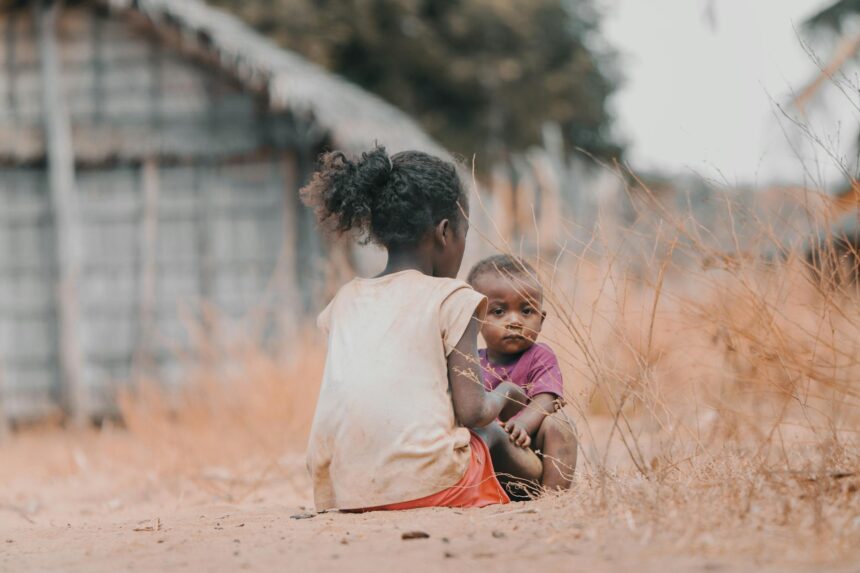
Map showing malaria prevention coverage across sub-Saharan African countries
Analysis of 17 sub-Saharan African countries reveals dramatic disparities in malaria protection for children under 5. Rural children from poor families face up to three times higher infection rates than urban counterparts. — Photo: Chrystopher Huyghensnot / Pexels
SHARE
1 min read|140 words

A comprehensive analysis of childhood malaria protection across sub-Saharan Africa identifies three critical findings with direct implications for public health practice. First, rural children face dramatically elevated malaria risk compared to urban populations, establishing geographic location as the paramount predictor of disease vulnerability. Second, household wealth and maternal education demonstrate strong associations with infection outcomes, indicating that socioeconomic interventions alongside medical measures are essential for effective control.

Third, climate patterns increasingly influence transmission intensity, suggesting that malaria control strategies must evolve to address changing environmental conditions alongside persistent implementation gaps. The research reveals that standard prevention interventions—such as insecticide-treated bed net distribution—require complementary community engagement and behavioral strategies to achieve meaningful impact. These findings suggest that sustainable malaria reduction requires integrated approaches addressing geographic disparities, socioeconomic barriers, and climate adaptation simultaneously.

Read the full article on GMJ Newsroom.

Was this article helpful?

GMJ Brief · Takeaway

📰 Read the full article: Child Protection from Malaria Varies Dramatically Across Sub-Saharan Africa →

Related reference
  • Malaria · Condition
  • Iron · Ingredient
Share This Article
Facebook LinkedIn Bluesky Copy Link Print
GMJ
ByProf. Giorgi Pkhakadze
Follow:
Prof. Giorgi Pkhakadze, MD, MPH, PhD, is Editor-in-Chief of the Georgian Medical Journal and Chair of the Public Health Institute of Georgia (PHIG). He is Professor and Head of the Department of Social and Behavioural Sciences at David Tvildiani Medical University, and Secretary/Treasurer of the UEMS Section of Public Health. ORCID: 0000-0001-7609-4515.

Submit Your Paper →

Georgia's peer-reviewed open-access medical journal. No APC until January 2027.
Submit Manuscript →
The Hidden Cost of Secrecy: How Missing Research Data Undermines Clinical Guidance

Systematic reviews and meta-analyses that guide clinical practice are increasingly compromised by…

Corrected Global Data on Substance Use Burden Across 204 Countries Reveals Shifting Patterns

Nature Medicine has published a corrected Global Burden of Disease assessment of…

Engineered Heart Muscle From Stem Cells Shows Promise in First-in-Human Trial

A first-in-human clinical trial of engineered heart muscle derived from induced pluripotent…

Submit Your Paper to GMJ

No APC until January 2027.
Submit Manuscript →

You Might Also Like

Scientific illustration showing multiple treatment pathways being tested simultaneously in platform trials

What Healthcare Professionals Should Know About Platform Trials in Neurology

By
Prof. Giorgi Pkhakadze
01/07/2026
Healthcare worker conducting screening interview at Moldova probation centre

One in Seven Probation Entrants Screen Positive for Opioid Disorder in Moldova Study

By
Prof. Giorgi Pkhakadze
12/06/2026
Laboratory illustration of enterovirus D68 vaccine development and viral structure

First Vaccine Candidate Shows Promise Against Enterovirus D68 in Primate Studies

By
Prof. Giorgi Pkhakadze
14/06/2026
Infographic showing key risk factors for child wasting in Ghana including diarrheal episodes and maternal education

Three Evidence-Based Priorities for Preventing Child Wasting in Ghana and Beyond

By
Prof. Giorgi Pkhakadze
01/07/2026
Facebook Twitter Youtube Instagram
Company
  • Privacy Policy
  • Contact US
  • GMJ Journal
  • Submit Manuscript
  • Editorial Team
  • Register at GMJ
  • Terms of Use

Subscribe to GMJ News — Click here

Join Community
© 2026 Georgian Medical Journal (GMJ). Published by the Public Health Institute of Georgia (PHIG). All rights reserved.
Welcome Back!

Sign in to your account

Username or Email Address
Password

Lost your password?

Not a member? Sign Up