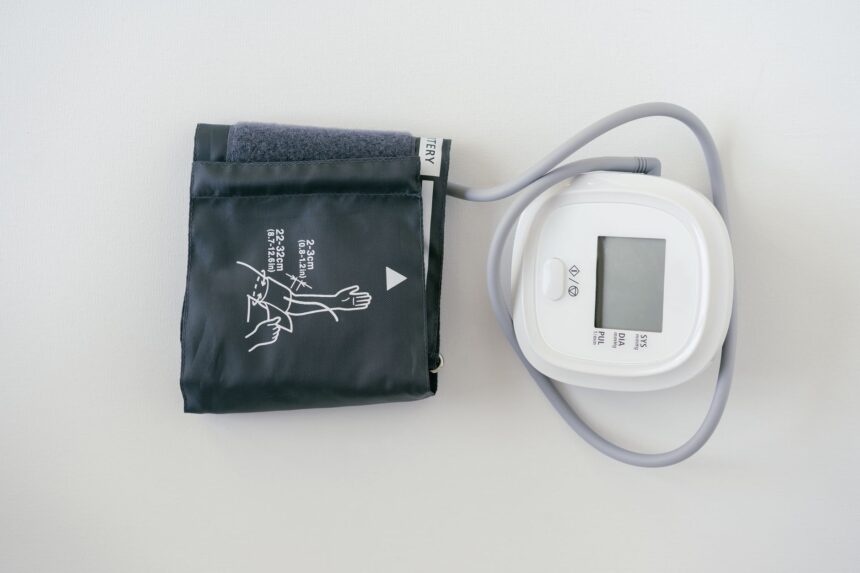
Among patients with treatment-resistant hypertension, primary aldosteronism accounts for up to 15% of cases—yet systematic screening remains uncommon in clinical practice. This statistic, drawn from a comprehensive Nature Reviews Disease Primers analysis, underscores a significant diagnostic gap that has major implications for patient management and cardiovascular outcomes.
Early and accurate diagnosis of primary aldosteronism enables clinicians to shift from empirical multi-drug therapy to targeted, mechanism-based treatment strategies. Patients with unilateral adenomas may achieve normotension or substantial blood pressure reduction through adrenalectomy, while those with bilateral disease benefit from mineralocorticoid receptor antagonists and careful metabolic monitoring.
Implementing systematic screening protocols in high-risk populations—particularly those with resistant hypertension, early-onset hypertension, or hypokalemia—can prevent disease-related cardiovascular complications and improve long-term clinical outcomes. Read the full article on GMJ Newsroom.
Was this article helpful?