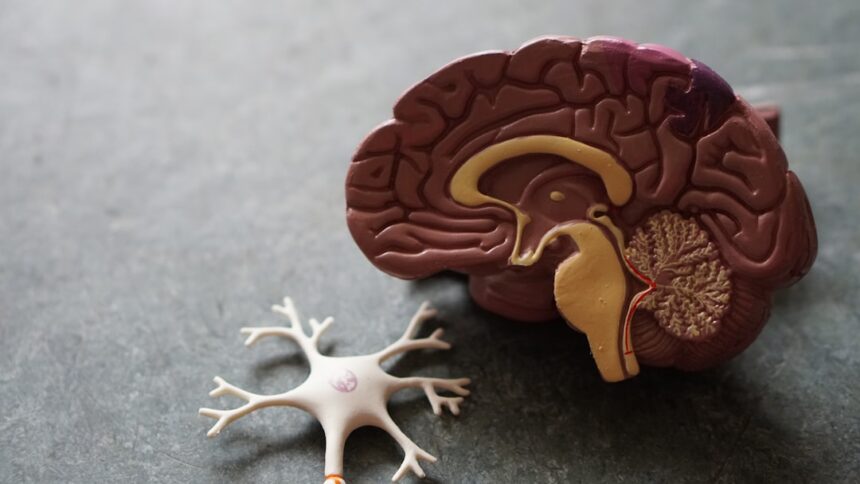
A common misconception in fitness and sports medicine is that testosterone production is driven primarily by exercise intensity and gym performance. New analysis from the Georgian Medical Journal reveals that testosterone synthesis is actually governed by a sophisticated feedback-controlled circuit connecting the brain, pituitary gland, and testes—known as the hypothalamic-pituitary-gonadal (HPG) axis.
At the center of this system sits the hypothalamus, a brain region that continuously monitors metabolic status, sleep quality, and stress levels before signaling testosterone production. Rather than responding to exercise alone, the HPG axis integrates multiple physiological inputs. When chronic stress or sleep deprivation occurs, the hypothalamus suppresses the entire cascade at its source, effectively shutting down testosterone synthesis regardless of training intensity.
Understanding this neuroendocrine control mechanism explains why isolated testosterone-boosting interventions often fail without addressing underlying physiological stressors. Read the full article on GMJ Newsroom.
Was this article helpful?