By using this site, you agree to the Privacy Policy and Terms of Use.
Accept
GMJ NewsGMJ NewsGMJ News
  • Latest News
    • GMJ Briefs
  • Podcast & Media
    • Podcast Episodes
    • GMJ Audio
    • GMJ Videos
  • Research Digest
    • New Studies
    • Georgian Research
    • Data & Numbers
  • Policy & Systems
    • Health Policy
    • Quality & Safety
    • Migration & Health
    • Global Health
  • Practice
    • Clinical Updates
    • Case Discussions
    • Pharmacy & Prescribing
    • Ingredients A-Z
  • Perspectives
    • Editorial
    • Explainers
    • Voices
    • Letters
  • GMJ Articles
    • Vol. 1 Issue 2 (2026)
    • Vol. 1 Issue 1 (2026)
    • Pre-Launch Articles (2025)
  • Read the Journal →
  • About GMJ News
Notification Show More
Font ResizerAa
GMJ NewsGMJ News
Font ResizerAa
  • Latest News
    • GMJ Briefs
  • Podcast & Media
    • Podcast Episodes
    • GMJ Audio
    • GMJ Videos
  • Research Digest
    • New Studies
    • Georgian Research
    • Data & Numbers
  • Policy & Systems
    • Health Policy
    • Quality & Safety
    • Migration & Health
    • Global Health
  • Practice
    • Clinical Updates
    • Case Discussions
    • Pharmacy & Prescribing
    • Ingredients A-Z
  • Perspectives
    • Editorial
    • Explainers
    • Voices
    • Letters
  • GMJ Articles
    • Vol. 1 Issue 2 (2026)
    • Vol. 1 Issue 1 (2026)
    • Pre-Launch Articles (2025)
  • Read the Journal →
  • About GMJ News
Follow US
GMJ News > GMJ Briefs > Zero Clinical Trials on GLP-1 Microdosing Safety, Experts Report

Zero Clinical Trials on GLP-1 Microdosing Safety, Experts Report

GMJ
Last updated: 12/06/2026 16:29
By
Prof. Giorgi Pkhakadze
Share
1 Min Read
Medical professional discussing GLP-1 medication safety and dosing concerns
Weight-loss specialist warns about unregulated GLP-1 microdosing trend lacking clinical trial evidence. Long-term safety effects remain unknown for reduced-dose formulations. — Photo: Haberdoedas Photography / Pexels
SHARE
1 min read|144 words

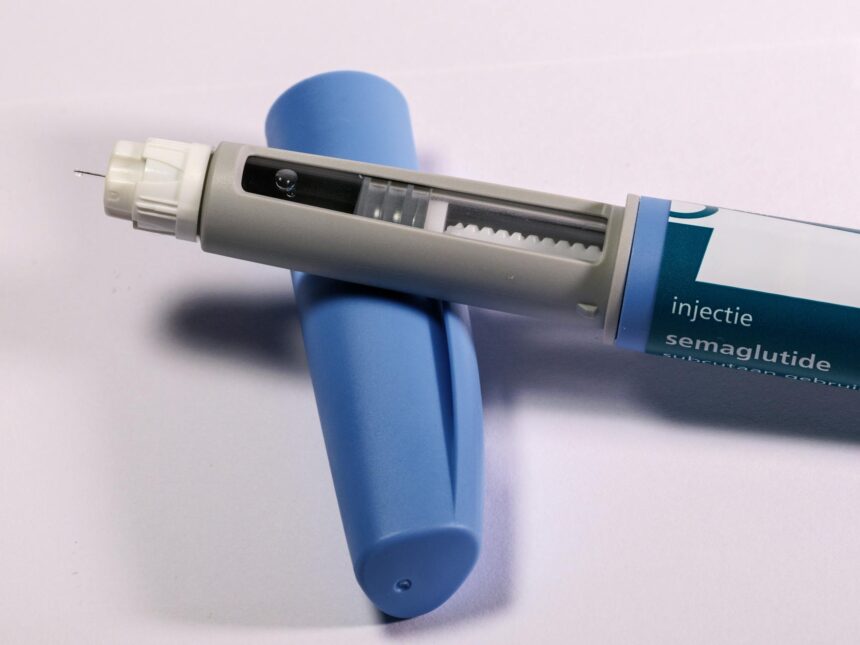
A striking finding highlighted by weight-loss specialists reveals a critical evidence gap: zero clinical trials have examined the safety and efficacy of GLP-1 microdosing. This statistic underscores the fundamental problem with the growing trend of reduced-dose GLP-1 use for cosmetic weight loss.

While FDA-approved therapeutic doses like 2.4 mg weekly have undergone rigorous testing, microdose regimens typically ranging from 0.25-0.5 mg exist entirely outside the clinical evidence base. Without peer-reviewed research examining these lower doses, healthcare providers cannot reliably predict long-term effects, potential adverse events, or drug interactions.

The absence of clinical validation becomes even more concerning when patients combine microdosing with compounded formulations—which vary in quality and consistency compared to manufacturer-produced medications. Medical experts warn that this unproven approach lacks the safety guarantees that regulatory approval provides, making medical supervision essential for anyone considering GLP-1 therapy.

Read the full article on GMJ Newsroom.

Submit Your Paper
GMJ_Submit_Banner

Was this article helpful?

GMJ Brief · Key Finding

📰 Read the full article: Weight Loss Expert Raises Safety Concerns Over Unregulated GLP-1 ‘Microdoses’ →

Share This Article
Facebook LinkedIn Bluesky Copy Link Print
GMJ
ByProf. Giorgi Pkhakadze
Follow:
Prof. Giorgi Pkhakadze, MD, MPH, PhD, is Editor-in-Chief of the Georgian Medical Journal and Chair of the Public Health Institute of Georgia (PHIG). He is Professor and Head of the Department of Social and Behavioural Sciences at David Tvildiani Medical University, and Secretary/Treasurer of the UEMS Section of Public Health. ORCID: 0000-0001-7609-4515.

Submit Your Paper →

Georgia's peer-reviewed open-access medical journal. No APC until January 2027.
Submit Manuscript →
Blocking Key Protein GPNMB Shows Promise in Halting Parkinson’s Disease Spread

Scientists have identified GPNMB, a protein that helps Parkinson's disease spread through…

Continued smoking before lung cancer surgery increases pulmonary complications but not short-term mortality

New research from University of Cincinnati shows lung cancer patients who continue…

International Study Links Restrained Sitting to Reduced Physical Activity in Preschool Children

International study involving 32 countries reveals that prolonged restrained sitting significantly impacts…

Submit Your Paper to GMJ

No APC until January 2027.
Submit Manuscript →

You Might Also Like

Medical illustration showing cardiac patch therapy on damaged heart tissue

655,000 Annual Deaths Underscore the Urgent Need for Cardiac Regeneration Advances

By
Prof. Giorgi Pkhakadze
11/06/2026
New StudiesResearch Digest

Pre-pandemic heart health cut severe COVID-19 risk by nearly half, major study finds

By
Prof. Giorgi Pkhakadze
27/05/2026
Chart showing decline in infectious disease burden across age groups in China from 2000 to 2023

Respiratory Infections Dominate Disease Burden Among Chinese Elderly

By
Prof. Giorgi Pkhakadze
12/06/2026
Global HealthPolicy & Systems

UNICEF Delivers Emergency Ebola Response Supplies to Democratic Republic of Congo

By
Prof. Giorgi Pkhakadze
07/06/2026
Facebook Twitter Youtube Instagram
Company
  • Privacy Policy
  • Contact US
  • GMJ Journal
  • Submit Manuscript
  • Editorial Team
  • Register at GMJ
  • Terms of Use

Subscribe to GMJ News — Click here

Join Community
© 2026 Georgian Medical Journal (GMJ). Published by the Public Health Institute of Georgia (PHIG). All rights reserved.
Welcome Back!

Sign in to your account

Username or Email Address
Password

Lost your password?

Not a member? Sign Up