Updated 14/09/2026
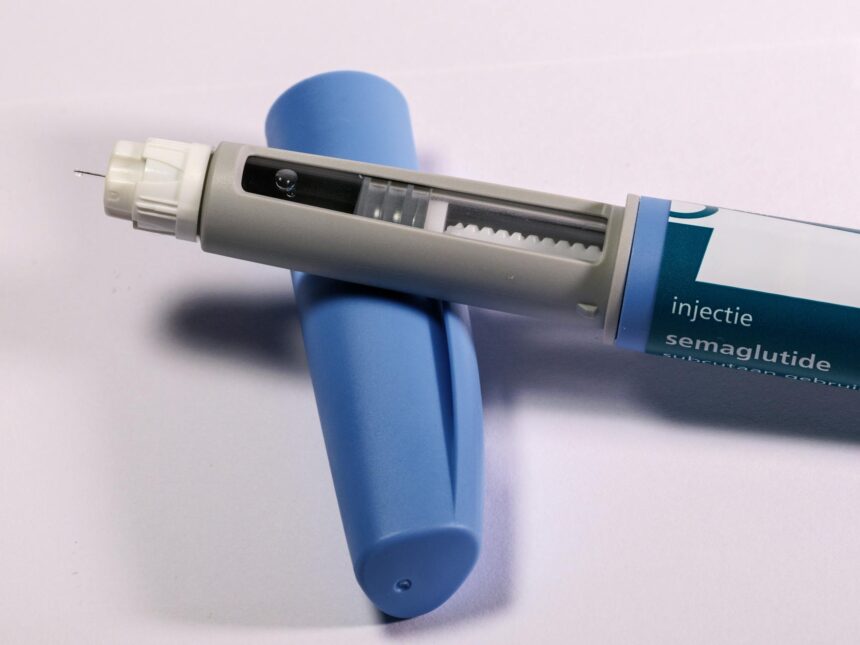
A growing trend toward “microdosing” GLP-1 medications for cosmetic weight loss is raising significant safety concerns among medical professionals, according to a weight-loss specialist writing in STAT News. The practice involves taking substantially reduced doses of medications like semaglutide and tirzepatide without medical supervision, often through compounded formulations of uncertain quality.
GLP-1 Medication Usage Patterns
Comparison of prescribed vs. microdose approaches, 2024
microdose safety
Source: STAT News analysis | Georgian Medical Journal News

Medical Supervision Critical for Safe Use
The weight-loss physician writing in STAT News emphasizes that GLP-1 medications were developed and tested at specific therapeutic doses through rigorous clinical trials. These studies established both efficacy and safety profiles at recommended dosing levels, providing the evidence base for FDA approval.
Microdosing represents an off-label use that lacks scientific validation, according to the STAT News opinion piece. Without proper clinical trials examining lower doses, healthcare providers cannot predict potential long-term effects or interactions.
Compounding Quality Raises Additional Risks
Beyond dosing concerns, many microdose regimens rely on compounded versions of GLP-1 medications. The FDA’s oversight of compounding pharmacies differs significantly from manufacturer regulation of brand-name drugs, potentially affecting medication quality and consistency.
For patients seeking weight management solutions, this variability adds another layer of uncertainty to an already unproven approach.
Evidence-Based Alternatives Available
The World Health Organization emphasizes comprehensive lifestyle interventions as first-line treatments for weight management.
For patients requiring pharmaceutical intervention, properly prescribed and monitored GLP-1 therapy offers proven benefits with known risk profiles. Medical supervision ensures appropriate candidate selection, dose optimization, and monitoring for adverse effects throughout treatment.
Long-term effects of GLP-1 microdosing remain completely unknown, with no clinical trials examining safety or efficacy at these reduced doses
— Weight-loss specialist (STAT News, 2026)
Key takeaways
- GLP-1 microdosing lacks clinical trial evidence for safety or efficacy
- Compounded formulations may vary significantly in quality and potency
- Medical supervision essential for safe GLP-1 therapy at any dose level
Frequently asked questions
What are GLP-1 microdoses?
Microdoses refer to taking GLP-1 medications like semaglutide at substantially lower doses than FDA-approved levels, often without medical supervision. These reduced doses lack clinical trial evidence for safety or effectiveness.
Why are medical experts concerned about microdosing?
The long-term effects of reduced-dose GLP-1 therapy are unknown because clinical trials only tested specific therapeutic doses, according to the weight-loss specialist writing in STAT News. Without this safety data, potential risks cannot be adequately assessed or predicted.
Are compounded GLP-1 medications safe?
Compounded versions may vary in quality, potency, and stability compared to FDA-approved medications. This variability introduces additional uncertainty when combined with unproven microdosing approaches.
The medical community continues advocating for evidence-based weight management approaches while researchers work to better understand optimal GLP-1 dosing strategies. As interest in these medications grows, maintaining rigorous safety standards remains paramount for protecting patient health and advancing therapeutic innovation in weight management.
Source: Opinion: I’m a weight-loss doctor. Here’s why I worry about GLP-1 ‘microdoses’
🗺️ Find certified Georgian healthcare providers: sheniekimi.ge — Georgia Health Map · 998 clinics · 6,600+ doctors · 2,296 pharmacies
Was this article helpful?
Disclaimer. This article is health journalism intended for general information and education. It is not medical advice and is not a substitute for professional diagnosis or treatment. Always consult a qualified healthcare provider about your individual circumstances. Full disclaimer →
Related Coverage



Editorial standards. This article was produced under the GMJ News editorial process, with oversight by the GMJ Editorial Board. Our editorial process. Spotted an error? Contact the editorial team.