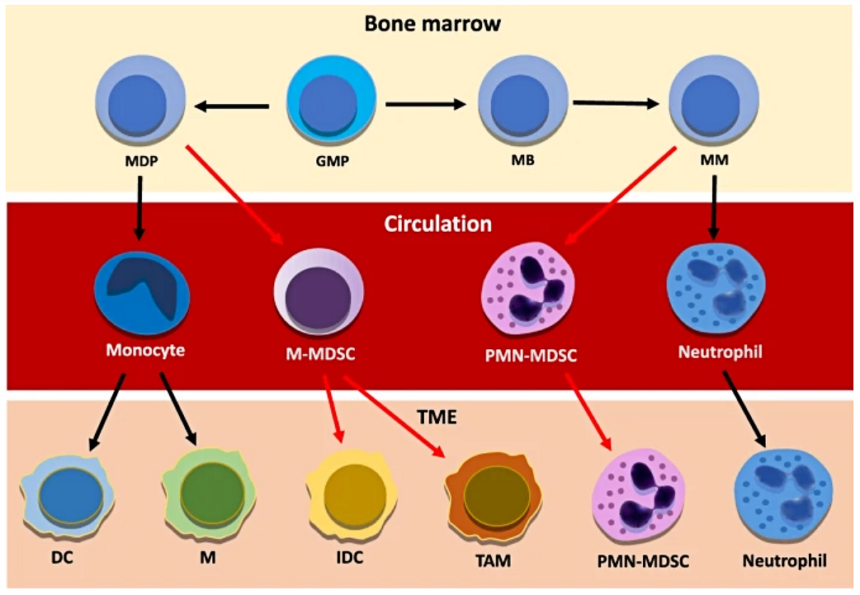
Cancer treatment advances have created a critical challenge: chemotherapy and radiation effectively eliminate tumours but often devastate bone marrow, leaving patients vulnerable to life-threatening blood cell deficiencies. A paradigm shift in supportive care is now emerging. Rather than relying solely on stem cell transplantation to replace damaged blood-forming cells, researchers have identified a novel microenvironment-targeted therapy that restores the bone marrow’s natural regenerative capacity. This mechanistic innovation addresses myelosuppression—the severe depletion of hematopoietic stem cells and blood cell precursors—by healing the specialized tissue environment that supports bone marrow recovery. Early findings suggest this approach could substantially reduce the need for transplantation in severe cases, offering cancer patients a less invasive pathway to haematologic recovery. This represents a meaningful advance in how clinicians manage one of chemotherapy’s most serious side effects, potentially improving outcomes for thousands of patients annually.
Was this article helpful?