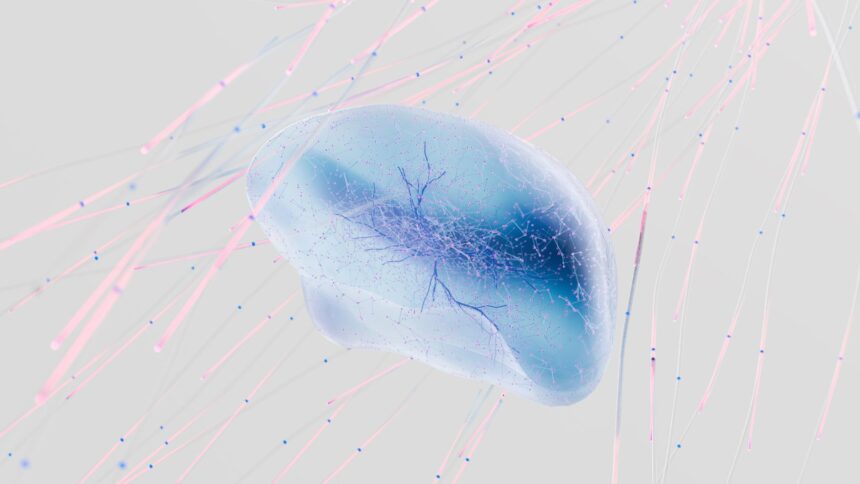
Researchers at King’s College London have identified a critical mechanism linking chronic inflammation to cognitive decline. Published in Nature Communications, the study demonstrates that tumour necrosis factor-alpha (TNF-alpha)—a key inflammatory molecule—actively suppresses the generation of new neurons in the hippocampus, the brain region essential for memory and learning.
This discovery provides a mechanistic bridge between systemic inflammation and neurodegenerative conditions including Alzheimer’s disease, depression, and post-viral neurological effects. The findings suggest that TNF-alpha acts as a molecular brake on neurogenesis, disrupting the brain’s natural ability to generate and integrate new neural cells. By clarifying this pathway, researchers have identified potential therapeutic targets that could help restore cognitive function in aging and disease. Understanding this mechanism opens doors for clinical interventions aimed at reducing neuroinflammation and protecting cognitive health.
Read the full article on GMJ Newsroom.
Was this article helpful?