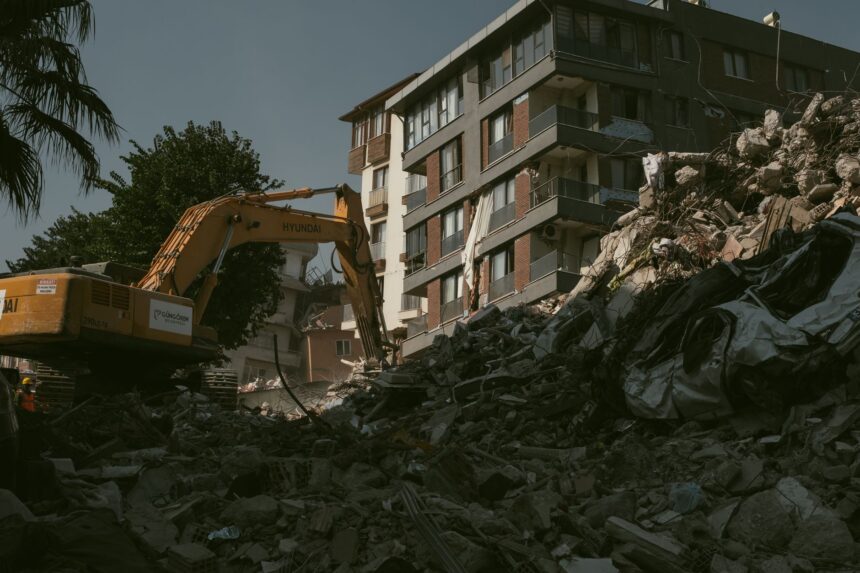
According to PAHO’s two-week health situation assessment, disease surveillance and water sanitation failures represent the most critical public health threats in Venezuela’s earthquake-affected zones—potentially causing greater mortality than the earthquakes themselves.
The damage to water infrastructure and sewage systems has created ideal conditions for rapid communicable disease transmission in displacement shelters. Without functional disease surveillance systems to detect and respond to outbreaks early, waterborne and vector-borne diseases could spread unchecked through vulnerable populations already weakened by displacement and trauma.
This epidemiological scenario underscores a critical reality in disaster medicine: secondary health threats often eclipse direct earthquake-related mortality. PAHO’s assessment emphasizes that rapid restoration of water systems and surveillance capacity are not merely recovery measures—they are urgent public health imperatives that directly influence mortality outcomes in the coming weeks.
Read the full article on GMJ Newsroom.

Was this article helpful?