By using this site, you agree to the Privacy Policy and Terms of Use.
Accept
GMJ NewsGMJ NewsGMJ News
  • Latest News
  • GMJ Briefs
  • Research Digest
    • New Studies
    • Georgian Research
    • Data & Numbers
  • Policy & Systems
    • Health Policy
    • Quality & Safety
    • Migration & Health
    • Global Health
  • Practice
    • Clinical Updates
    • Case Discussions
    • Pharmacy & Prescribing
  • Perspectives
    • Editorial
    • Explainers
    • Voices
    • Letters
  • Podcast & Media
    • Podcast Episodes
    • Video
    • Infographics
  • GMJ Articles
    • Vol. 1 Issue 2 (2026)
    • Vol. 1 Issue 1 (2026)
    • Pre-Launch Articles (2025)
  • Read the Journal →
Notification Show More
Font ResizerAa
GMJ NewsGMJ News
Font ResizerAa
  • Latest News
  • GMJ Briefs
  • Research Digest
    • New Studies
    • Georgian Research
    • Data & Numbers
  • Policy & Systems
    • Health Policy
    • Quality & Safety
    • Migration & Health
    • Global Health
  • Practice
    • Clinical Updates
    • Case Discussions
    • Pharmacy & Prescribing
  • Perspectives
    • Editorial
    • Explainers
    • Voices
    • Letters
  • Podcast & Media
    • Podcast Episodes
    • Video
    • Infographics
  • GMJ Articles
    • Vol. 1 Issue 2 (2026)
    • Vol. 1 Issue 1 (2026)
    • Pre-Launch Articles (2025)
  • Read the Journal →
Follow US
GMJ News > GMJ Briefs > What Consumers Should Know About Omega-3 Supplement Oxidation Concerns

What Consumers Should Know About Omega-3 Supplement Oxidation Concerns

GMJ
Last updated: 05/24/2026 15:53
By
GMJ News Desk
Share
1 Min Read
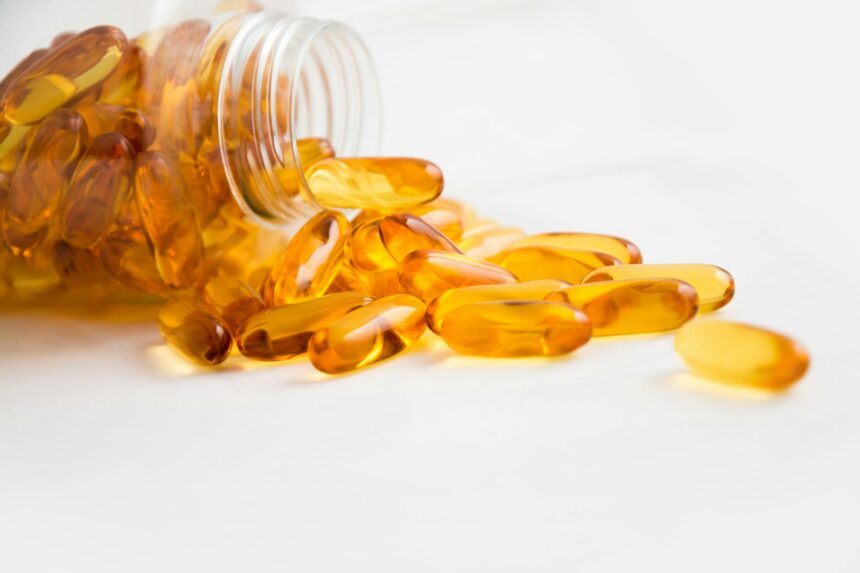
Laboratory testing omega-3 supplement capsules for oxidation levels
New research challenges concerns about omega-3 supplement oxidation, revealing a significant gap between laboratory measurements and actual health risks in human studies. Despite 85% of supplements exceeding oxidation thresholds, clinical trials show minimal adverse effects. — Photo: Pixabay / Pexels
SHARE

Three critical findings are reshaping consumer understanding of omega-3 supplement safety and quality. First, laboratory testing reveals that 85% of available supplements exceed established oxidation thresholds, suggesting widespread quality control issues in the industry. However, the second key finding shows that human studies have demonstrated minimal adverse effects from these oxidized products, indicating that laboratory measurements may not predict real-world health impacts.

The third important development involves industry response, with manufacturers implementing improved quality standards and storage protocols to address oxidation concerns. This evolution reflects growing awareness that while laboratory oxidation may not directly translate to health risks, maintaining product quality remains important for consumer confidence.

For consumers, these findings suggest that oxidation concerns, while scientifically interesting, may be less practically significant than previously believed. The human digestive system appears to provide natural protection against oxidized omega-3 compounds through enzymatic processes.

Read the full article on GMJ Newsroom.

Submit Your Paper
GMJ_Submit_Banner

GMJ Brief · Takeaway

📰 Read the full article: Omega-3 Supplement Oxidation: New Research Challenges Safety Concerns →

Share This Article
Facebook Copy Link Print

Submit Your Paper →

Georgia's peer-reviewed open-access medical journal. No APC until January 2027.
Submit Manuscript →
L-Arginine Shows Unexpected Brain Benefits Beyond Blood Vessel Function

L-arginine demonstrates unexpected neurological benefits beyond cardiovascular health, improving brain blood flow…

Apigenin Sleep and Longevity Claims Face Scientific Scrutiny

Apigenin features in popular sleep supplements and longevity protocols despite limited human…

New Study Reveals How Alcohol Disables Gut Immune Defenses, Worsening Liver Disease

New research published in Nature reveals how chronic alcohol consumption disables gut…

Submit Your Paper to GMJ

No APC until January 2027.
Submit Manuscript →

You Might Also Like

Infographic showing zinc and copper supplement bottles with ratio measurements

30mg Daily Zinc Reduces Copper Absorption by 60 Percent

By
GMJ News Desk
Infographic showing zinc and copper supplement bottles with ratio measurements

Three Essential Facts Every Zinc Supplement User Must Know

By
GMJ News Desk
Brain neurotransmitter diagram showing chemical signaling pathways

Three Critical Facts About Brain Neurotransmitters Every Patient Should Know

By
GMJ News Desk
Athlete resting during training break with fitness retention data visualization

What Athletes Need to Know About Training Breaks and Recovery

By
GMJ News Desk
Facebook Twitter Youtube Instagram
Company
  • Privacy Policy
  • Contact US
  • GMJ Journal
  • Submit Manuscript
  • Editorial Team
  • Register at GMJ
  • Terms of Use

Sign Up For Free

Subscribe to our newsletter and don't miss out on our programs, webinars and trainings.

[mc4wp_form]

Join Community
Made by ThemeRuby using the Foxiz theme. Powered by WordPress
© 2026 Georgian Medical Journal (GMJ). Published by the Public Health Institute of Georgia (PHIG). All rights reserved.
Welcome Back!

Sign in to your account

Username or Email Address
Password

Lost your password?

Not a member? Sign Up