By using this site, you agree to the Privacy Policy and Terms of Use.
Accept
GMJ NewsGMJ NewsGMJ News
  • Latest News
    • GMJ Briefs
  • Podcast & Media
    • Podcast Episodes
    • GMJ Audio
    • GMJ Videos
  • Research Digest
    • New Studies
    • Georgian Research
    • Data & Numbers
  • Policy & Systems
    • Health Policy
    • Quality & Safety
    • Migration & Health
    • Global Health
  • Practice
    • Clinical Updates
    • Case Discussions
    • Pharmacy & Prescribing
    • Ingredients A-Z
  • Perspectives
    • Editorial
    • Explainers
    • Voices
    • Letters
  • GMJ Articles
    • Vol. 1 Issue 2 (2026)
    • Vol. 1 Issue 1 (2026)
    • Pre-Launch Articles (2025)
  • Read the Journal →
  • About GMJ News
Notification Show More
Font ResizerAa
GMJ NewsGMJ News
Font ResizerAa
  • Latest News
    • GMJ Briefs
  • Podcast & Media
    • Podcast Episodes
    • GMJ Audio
    • GMJ Videos
  • Research Digest
    • New Studies
    • Georgian Research
    • Data & Numbers
  • Policy & Systems
    • Health Policy
    • Quality & Safety
    • Migration & Health
    • Global Health
  • Practice
    • Clinical Updates
    • Case Discussions
    • Pharmacy & Prescribing
    • Ingredients A-Z
  • Perspectives
    • Editorial
    • Explainers
    • Voices
    • Letters
  • GMJ Articles
    • Vol. 1 Issue 2 (2026)
    • Vol. 1 Issue 1 (2026)
    • Pre-Launch Articles (2025)
  • Read the Journal →
  • About GMJ News
Follow US
GMJ News > GMJ Briefs > What Healthcare Facilities Need to Know About the Omnicell Syringe Label Recall

What Healthcare Facilities Need to Know About the Omnicell Syringe Label Recall

GMJ
Last updated: 25/06/2026 22:01
By
Prof. Giorgi Pkhakadze
Share
1 Min Read
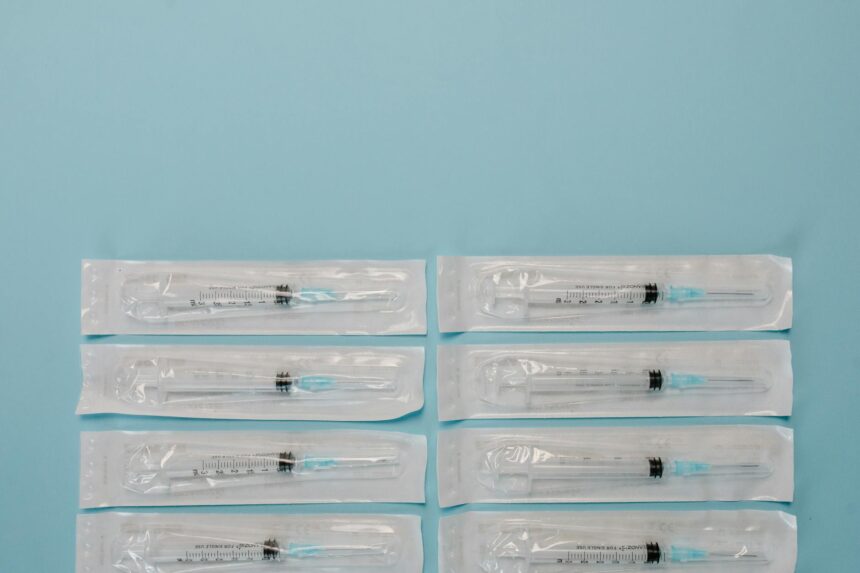
Automated compounding system with syringe labels in hospital pharmacy setting
FDA recalls Omnicell syringe labels for automated compounding systems after label detection failures that could result in mislabeled sterile medications. Healthcare facilities must implement immediate verification protocols. — Photo: Tara Winstead / Pexels
SHARE
1 min read|137 words

Three critical points require immediate attention from hospital pharmacy directors and medication safety officers regarding the Omnicell i.v.STATION recall. First, the syringe labels may not be properly detected by the automated system, allowing compounding operations to proceed without accurate medication identification. Second, healthcare facilities must implement manual verification protocols as an interim safety measure to ensure all prepared medications are correctly labeled before administration.

Third, this recall directly impacts critical care areas including oncology units, intensive care units, and surgical departments where automated compounding systems are essential. The risks extend beyond individual medication errors to systemic vulnerabilities in sterile medication preparation workflows. Facilities should immediately review their compounding procedures, audit recent medication preparations, and establish communication channels with pharmacy staff and clinical units regarding these temporary safety protocols. Read the full article on GMJ Newsroom.

Was this article helpful?

0% of readers found this helpful (1 votes)
GMJ Brief · Takeaway

📰 Read the full article: FDA Recalls Omnicell Syringe Labels After Automated Compounding System Failures →

Share This Article
Facebook LinkedIn Bluesky Copy Link Print
GMJ
ByProf. Giorgi Pkhakadze
Follow:
Prof. Giorgi Pkhakadze, MD, MPH, PhD, is Editor-in-Chief of the Georgian Medical Journal and Chair of the Public Health Institute of Georgia (PHIG). He is Professor and Head of the Department of Social and Behavioural Sciences at David Tvildiani Medical University, and Secretary/Treasurer of the UEMS Section of Public Health. ORCID: 0000-0001-7609-4515.

Submit Your Paper →

Georgia's peer-reviewed open-access medical journal. No APC until January 2027.
Submit Manuscript →
CRISPR Gene Therapy Shows Promise for Children with Sickle Cell Disease and Beta-Thalassemia

CRISPR gene therapy exa-cel achieved 95% efficacy in eliminating blood transfusions for…

Uganda Reports First Bundibugyo Virus Case in 2026 with Complete Genomic Sequencing

Ugandan researchers document first 2026 Bundibugyo virus case with complete genomic sequencing,…

Scientists Disrupt Cancer Cell DNA Repair to Overcome Drug Resistance

New research shows UNI418 compound can disrupt cancer cell DNA repair mechanisms,…

Submit Your Paper to GMJ

No APC until January 2027.
Submit Manuscript →

You Might Also Like

🚨 Cardiovascular outcomes and safety associated with statin therapy for primary prevention in older adults with type 2 diabetes: A target trial emulation study

By
Prof. Giorgi Pkhakadze
26/06/2026

🚨 CDC Activates Emergency Operations Center for New World Screwworm Response

By
Prof. Giorgi Pkhakadze
20/06/2026
Medical research illustration showing hepatitis B virus and antisense oligonucleotide mechanism

Chronic Hepatitis B Affects 296 Million Globally; New Trial Offers Functional Cure Alternative

By
Prof. Giorgi Pkhakadze
12/06/2026

SITUATION BRIEF: Cross-Border Ebola Outbreak – DRC/Uganda Border Region

By
Prof. Giorgi Pkhakadze
31/05/2026
Facebook Twitter Youtube Instagram
Company
  • Privacy Policy
  • Contact US
  • GMJ Journal
  • Submit Manuscript
  • Editorial Team
  • Register at GMJ
  • Terms of Use

Subscribe to GMJ News — Click here

Join Community
© 2026 Georgian Medical Journal (GMJ). Published by the Public Health Institute of Georgia (PHIG). All rights reserved.
Welcome Back!

Sign in to your account

Username or Email Address
Password

Lost your password?

Not a member? Sign Up