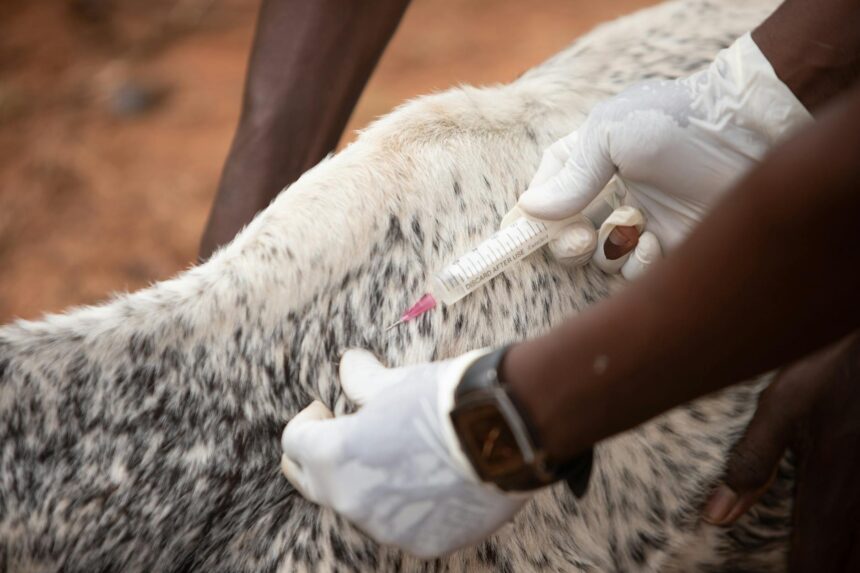
A new World Organisation for Animal Health report exposes a severe disparity in global health investment, with animal health receiving merely 0.6% of total health spending compared to 95% allocated to human health. This funding imbalance occurs despite evidence that approximately 75% of emerging infectious diseases originate in animals, underscoring a fundamental vulnerability in pandemic prevention strategies.
The consequences of this underfunding are increasingly evident through costly outbreaks including avian influenza, African swine fever, and foot-and-mouth disease, which have resulted in billions in economic losses worldwide. Beyond economic impact, inadequate animal health surveillance and response systems—particularly in low- and middle-income countries—create conditions for zoonotic disease spillover into human populations. The report emphasizes that investing in robust animal health infrastructure represents a cost-effective approach to global disease prevention, yet current allocation patterns suggest a disconnect between stated pandemic preparedness goals and actual resource deployment.
Was this article helpful?