🟠 Moderate Evidence
- Homocysteine regulation protects against neurodegeneration
- Energy metabolism in mitochondria requires B vitamins and mineral cofactors
- Neurotransmitter synthesis relies on vitamin B6 and amino acid availability
- Nerve signal transmission depends on myelin, DHA, and mineral cofactors
- Frequently asked questions
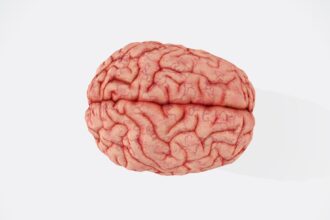
The human brain consumes approximately 20% of the body’s total energy expenditure in adults, with consumption reaching as high as 50% during childhood around age 10, according to established neuroscience literature. This extraordinary metabolic demand depends critically on a precise supply of micronutrients and stable glucose metabolism, meaning nutritional deficiencies can rapidly compromise cognitive function, mood regulation, and neurological health.
Key takeaways
- The brain uses 20% of body energy in adults, up to 50% in children aged 10, requiring constant micronutrient supply
- B vitamins (B6, B9, B12, B1, B2, B3) and cofactors regulate homocysteine, energy production, neurotransmitter synthesis, and nerve signal transmission
- Deficiencies in B12, folate, thiamine, or riboflavin produce reversible cognitive symptoms including confusion, fatigue, and memory impairment
- Omega-3 fatty acids (DHA) and minerals like iron and manganese support myelin integrity and neuronal communication speed
Homocysteine regulation protects against neurodegeneration
Elevated homocysteine—an amino acid intermediate in methionine metabolism—damages blood vessel walls and directly injures neurons over time, increasing risk of cognitive decline and stroke. Vitamins B6, B9 (folate), B12, riboflavin, choline, and niacin (B3) regulate the enzymatic conversion of homocysteine back to methionine and cysteine, keeping levels safe.
Research in older populations with elevated homocysteine demonstrates that adequate B12 and folate supplementation slows brain atrophy and improves memory performance. This mechanism explains why B-vitamin status is considered a modifiable risk factor for Alzheimer’s disease and vascular dementia in WHO public health guidance. See our clinical updates section for more on dementia prevention strategies.

Brain Energy Consumption Across the Lifespan
Percentage of total body energy used by the brain, age 10 compared to adults
Source: Neuroscience literature review | Georgian Medical Journal News
Energy metabolism in mitochondria requires B vitamins and mineral cofactors
The brain’s continuous ATP (adenosine triphosphate) production depends on mitochondrial function. B vitamins—particularly thiamine (B1) and riboflavin (B2)—act as essential cofactors in the citric acid cycle and electron transport chain, while iron, manganese, and lipoic acid support complex assembly and electron transfer. Without adequate supply, neurons cannot generate the ATP needed for action potential firing, synaptic transmission, or plasticity.
Thiamine (B1) deficiency is a well-documented cause of reversible encephalopathy in both developed and developing nations. Patients with severe thiamine deficiency present with acute confusion, ataxia, and eye movement abnormalities; repletion with parenteral B1 can reverse these symptoms within hours to days if caught early. Riboflavin (B2) deficiency similarly impairs energy metabolism and contributes to fatigue, migraine, and cognitive fog.
The brain’s 20–50% energy consumption across the lifespan depends on stable B-vitamin metabolism; deficiencies in thiamine, riboflavin, or cofactors like iron and manganese rapidly impair ATP production and cause reversible cognitive symptoms.
— Established neuroscience literature on mitochondrial metabolism and brain energy
Neurotransmitter synthesis relies on vitamin B6 and amino acid availability
Vitamin B6 (pyridoxal-5-phosphate) is an essential cofactor for aminotransferase enzymes that convert amino acids into neurotransmitters: serotonin (from tryptophan), dopamine and noradrenaline (from tyrosine), and GABA (from glutamate). Low B6 status disrupts these pathways, leading to dysregulation of mood, anxiety, and stress response.
While individual case studies support B6 supplementation for mood and emotional resilience in B6-depleted individuals, large randomized controlled trials establishing precise mood benefits remain limited. However, the biochemical necessity of B6 for neurotransmitter synthesis is biochemically established. Clinical practice guidelines recommend assessing B6 status in patients with treatment-resistant depression or anxiety. See our pharmacy and prescribing section for evidence-based supplement recommendations.
Nerve signal transmission depends on myelin, DHA, and mineral cofactors
Efficient neuronal communication requires intact myelin sheaths (insulation around axons) and rapid axonal conduction. Vitamin B12 maintains myelin integrity; deficiency leads to demyelination and peripheral neuropathy. Folate (B9) supports myelin repair and neural plasticity. Docosahexaenoic acid (DHA), an omega-3 polyunsaturated fatty acid, comprises 20–30% of neuronal membrane phospholipids and directly increases conduction velocity and synaptic plasticity.
Iron and manganese serve as cofactors in enzymes that synthesize myelin lipids and neurotransmitters. Studies on DHA supplementation in both children and aging populations show improvements in learning speed, memory consolidation, and resistance to age-related cognitive decline. Low B12 status is a reversible cause of neuropathy; repletion restores nerve function in most cases if caught before permanent axonal loss occurs.
What this means
Frequently asked questions
Can I take B-vitamin supplements if my levels are normal?
If your serum B12, folate, and B6 are in normal range, supplementation beyond recommended daily intake (RDI) is typically unnecessary and may increase risk of adverse effects in some cases. However, certain populations—vegans, older adults on metformin or PPIs, patients with pernicious anaemia, or those with malabsorption—benefit from targeted supplementation even with borderline-normal levels. Consult your doctor for individual assessment.
How quickly do B-vitamin deficiency symptoms resolve with treatment?
Acute symptoms like thiamine-responsive confusion can improve within hours to days. Memory loss and neuropathy may take weeks to months, and permanent axonal damage (from prolonged B12 deficiency) may not fully reverse. Early detection is critical: delayed repletion leads to irreversible neurological damage in some cases.
Is omega-3 supplementation (fish oil) essential for brain health?
DHA from fatty fish (salmon, mackerel, sardines) or algae-based supplements supports neuronal membrane health and cognitive function, particularly in aging and developing brains. While evidence is strongest in children and older adults, most people benefit from 250–500 mg DHA daily through food or supplements. Consult your doctor if you take blood-thinners, as high-dose omega-3 supplements may interact.
Micronutrient deficiencies remain underrecognized and under-screened in clinical practice despite producing reversible cognitive symptoms and long-term neurodegeneration risk. Routine assessment of B-vitamin, iron, and omega-3 status—especially in patients over 65, those with mood or cognitive complaints, or individuals on medications that impair nutrient absorption—represents a low-cost, high-yield prevention strategy for maintaining brain health across the lifespan.
Source: Brain energy metabolism and micronutrient biochemistry literature; see WHO dementia fact sheet and PubMed review of B-vitamin neuroscience
Was this article helpful?
Disclaimer. This article is health journalism intended for general information and education. It is not medical advice and is not a substitute for professional diagnosis or treatment. Always consult a qualified healthcare provider about your individual circumstances. Full disclaimer →
Related Coverage




Editorial standards. This article was produced under the GMJ News editorial process, with oversight by the GMJ Editorial Board. Our editorial process. Spotted an error? Contact the editorial team.