By using this site, you agree to the Privacy Policy and Terms of Use.
Accept
GMJ NewsGMJ NewsGMJ News
  • Latest News
    • GMJ Briefs
  • Podcast & Media
    • Podcast Episodes
    • GMJ Audio
    • GMJ Videos
  • Research Digest
    • New Studies
    • Georgian Research
    • Data & Numbers
  • Policy & Systems
    • Health Policy
    • Quality & Safety
    • Migration & Health
    • Global Health
  • Practice
    • Clinical Updates
    • Case Discussions
    • Pharmacy & Prescribing
    • Ingredients A-Z
  • Perspectives
    • Editorial
    • Explainers
    • Voices
    • Letters
  • GMJ Articles
    • Vol. 1 Issue 2 (2026)
    • Vol. 1 Issue 1 (2026)
    • Pre-Launch Articles (2025)
  • Read the Journal →
  • About GMJ News
Notification Show More
Font ResizerAa
GMJ NewsGMJ News
Font ResizerAa
  • Latest News
    • GMJ Briefs
  • Podcast & Media
    • Podcast Episodes
    • GMJ Audio
    • GMJ Videos
  • Research Digest
    • New Studies
    • Georgian Research
    • Data & Numbers
  • Policy & Systems
    • Health Policy
    • Quality & Safety
    • Migration & Health
    • Global Health
  • Practice
    • Clinical Updates
    • Case Discussions
    • Pharmacy & Prescribing
    • Ingredients A-Z
  • Perspectives
    • Editorial
    • Explainers
    • Voices
    • Letters
  • GMJ Articles
    • Vol. 1 Issue 2 (2026)
    • Vol. 1 Issue 1 (2026)
    • Pre-Launch Articles (2025)
  • Read the Journal →
  • About GMJ News
Follow US
GMJ News > GMJ Briefs > Evidence Gap Widens: Only 11% of WHO Cancer Medicines Include Cost Data for Africa

Evidence Gap Widens: Only 11% of WHO Cancer Medicines Include Cost Data for Africa

GMJ
Last updated: 13/06/2026 15:31
By
Prof. Giorgi Pkhakadze
Share
1 Min Read
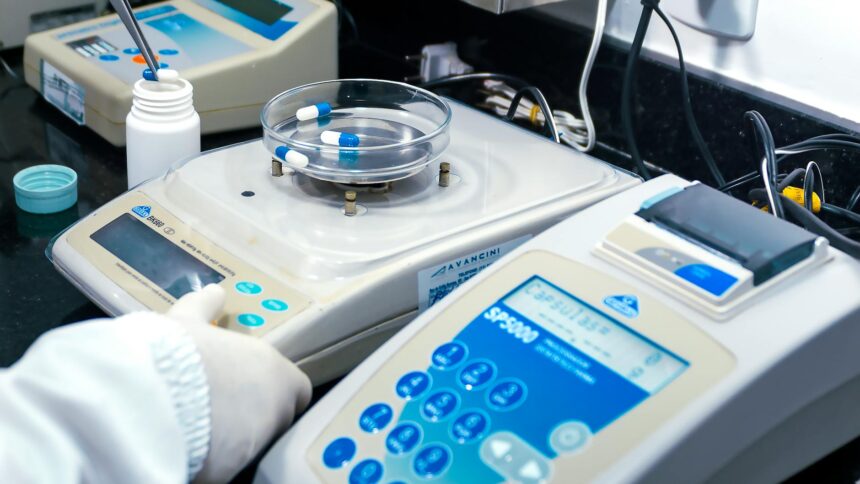
Chart showing limited economic evidence for WHO cancer medicine recommendations in Africa
WHO's cancer medicine recommendations lack robust economic evidence for African countries, with only 11% including cost data despite widespread adoption. New research calls for stronger economic evaluation requirements. — Photo: Pilan Filmes / Pexels
SHARE
1 min read|114 words

A systematic analysis of WHO cancer medicine modifications reveals a stark evidence deficit: just 11% of recommendations between 2017 and 2023 included cost data, yet African countries adopted approximately 23% of new recommendations into their national essential medicines lists.

This paradox—widespread adoption despite limited economic justification—raises serious sustainability concerns for healthcare systems already operating under severe resource constraints. Researchers examining 160 modifications found that 80% of WHO cancer medicine changes lacked any economic evidence whatsoever. The misalignment between global recommendations and local economic realities suggests that adoption decisions may rely on clinical evidence alone, without adequate consideration of affordability and healthcare budget implications.

The findings underscore an urgent need for economic data integration into global medicine guidance processes.

Was this article helpful?

GMJ Brief · Key Finding

📰 Read the full article: WHO’s Cancer Medicine Recommendations Lack Economic Evidence for African Countries, Study Finds →

Share This Article
Facebook LinkedIn Bluesky Copy Link Print
GMJ
ByProf. Giorgi Pkhakadze
Follow:
Prof. Giorgi Pkhakadze, MD, MPH, PhD, is Editor-in-Chief of the Georgian Medical Journal and Chair of the Public Health Institute of Georgia (PHIG). He is Professor and Head of the Department of Social and Behavioural Sciences at David Tvildiani Medical University, and Secretary/Treasurer of the UEMS Section of Public Health. ORCID: 0000-0001-7609-4515.

Submit Your Paper →

Georgia's peer-reviewed open-access medical journal. No APC until January 2027.
Submit Manuscript →
NHS workforce crisis threatens patient safety as early career doctors report severe burnout

New NEJM analysis reveals how workforce pressures are forcing early-career doctors to…

GLP-1 Drugs Show 30% Lower Breast Cancer Risk in Major Study

Large observational study finds women taking GLP-1 drugs like Ozempic and Wegovy…

Novel PET Tracer Detects Blood Clots in Legs and Lungs with Single Scan

Novel PET radiotracer enables simultaneous detection of deep vein thrombosis and pulmonary…

Submit Your Paper to GMJ

No APC until January 2027.
Submit Manuscript →

You Might Also Like

Global HealthPolicy & Systems

WHO Declares Public Health Emergency for Cross-Border Ebola Outbreak

By
Prof. Giorgi Pkhakadze
31/05/2026

PHEIC Declaration: Cross-Border Ebola Outbreak DRC-Uganda

By
Prof. Giorgi Pkhakadze
31/05/2026
Global HealthPolicy & Systems

WHO Declares International Emergency as Ebola Outbreak Crosses DRC-Uganda Border

By
Prof. Giorgi Pkhakadze
31/05/2026

PHEIC Declaration: Ebola Outbreak Cross-Border Transmission DRC-Uganda

By
Prof. Giorgi Pkhakadze
31/05/2026
Facebook Twitter Youtube Instagram
Company
  • Privacy Policy
  • Contact US
  • GMJ Journal
  • Submit Manuscript
  • Editorial Team
  • Register at GMJ
  • Terms of Use

Subscribe to GMJ News — Click here

Join Community
© 2026 Georgian Medical Journal (GMJ). Published by the Public Health Institute of Georgia (PHIG). All rights reserved.
Welcome Back!

Sign in to your account

Username or Email Address
Password

Lost your password?

Not a member? Sign Up