By using this site, you agree to the Privacy Policy and Terms of Use.
Accept
GMJ NewsGMJ NewsGMJ News
  • Latest News
    • GMJ Briefs
  • Podcast & Media
    • Podcast Episodes
    • GMJ Audio
    • GMJ Videos
  • Research Digest
    • New Studies
    • Georgian Research
    • Data & Numbers
  • Policy & Systems
    • Health Policy
    • Quality & Safety
    • Migration & Health
    • Global Health
  • Practice
    • Clinical Updates
    • Case Discussions
    • Pharmacy & Prescribing
    • Ingredients A-Z
  • Perspectives
    • Editorial
    • Explainers
    • Voices
    • Letters
  • GMJ Articles
    • Vol. 1 Issue 2 (2026)
    • Vol. 1 Issue 1 (2026)
    • Pre-Launch Articles (2025)
  • Read the Journal →
  • About GMJ News
Notification Show More
Font ResizerAa
GMJ NewsGMJ News
Font ResizerAa
  • Latest News
    • GMJ Briefs
  • Podcast & Media
    • Podcast Episodes
    • GMJ Audio
    • GMJ Videos
  • Research Digest
    • New Studies
    • Georgian Research
    • Data & Numbers
  • Policy & Systems
    • Health Policy
    • Quality & Safety
    • Migration & Health
    • Global Health
  • Practice
    • Clinical Updates
    • Case Discussions
    • Pharmacy & Prescribing
    • Ingredients A-Z
  • Perspectives
    • Editorial
    • Explainers
    • Voices
    • Letters
  • GMJ Articles
    • Vol. 1 Issue 2 (2026)
    • Vol. 1 Issue 1 (2026)
    • Pre-Launch Articles (2025)
  • Read the Journal →
  • About GMJ News
Follow US
GMJ News > GMJ Briefs > FDA Issues Class II Safety Alert for Baxter Volara Breathing Circuits

FDA Issues Class II Safety Alert for Baxter Volara Breathing Circuits

GMJ
Last updated: 11/07/2026 18:43
By
Prof. Giorgi Pkhakadze
Share
1 Min Read
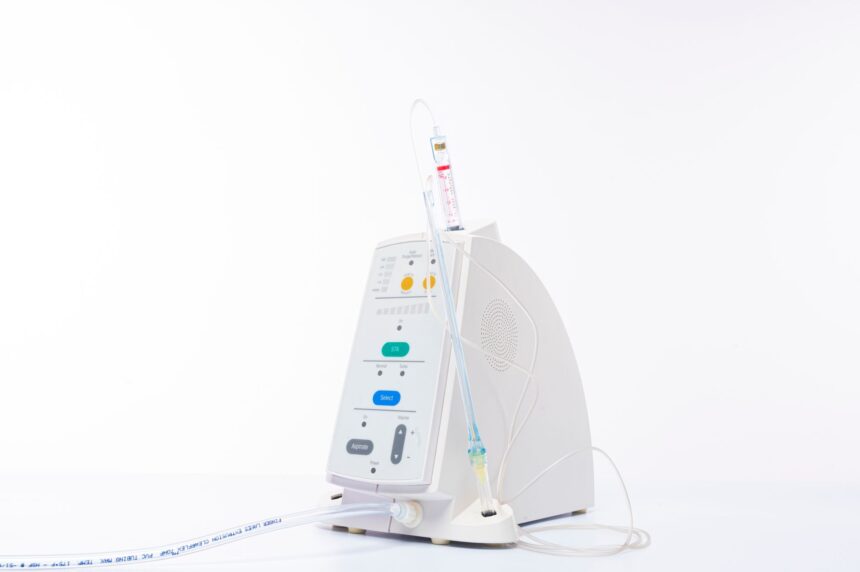
Medical professional inspecting positive pressure breathing device in hospital setting
FDA issues early safety alert for Baxter Volara breathing device circuits that may leak air and medication during therapy. Healthcare providers advised to inspect devices and monitor patients closely. — Photo by Đậu Photograph on Pexels (Pexels License)
SHARE
1 min read|128 words

The FDA has classified defects in Baxter’s Volara breathing system as a Class II safety concern—a moderate-risk category indicating potential for health impairment. The specific defect involves air and medication leaks at nebulizer cup connection points during active therapy, directly affecting medication delivery accuracy and patient oxygenation levels.

This classification reflects the significant clinical impact of device malfunction in critical respiratory care settings. Positive pressure breathing systems operate under precise specifications, and any compromise to circuit integrity can substantially reduce therapeutic effectiveness. The leaks documented in the safety alert underscore the importance of rigorous device maintenance and pre-use inspection protocols.

Healthcare facilities should treat this Class II alert with appropriate urgency, ensuring rapid inventory assessment and implementation of monitoring strategies to protect patient safety during respiratory therapy.

Was this article helpful?

GMJ Brief · Key Finding

📰 Read the full article: FDA Issues Early Alert for Baxter Volara Breathing Device Air Leaks →

Share This Article
Facebook LinkedIn Bluesky Copy Link Print
GMJ
ByProf. Giorgi Pkhakadze
Follow:
Prof. Giorgi Pkhakadze, MD, MPH, PhD, is Editor-in-Chief of the Georgian Medical Journal and Chair of the Public Health Institute of Georgia (PHIG). He is Professor and Head of the Department of Social and Behavioural Sciences at David Tvildiani Medical University, and Secretary/Treasurer of the UEMS Section of Public Health. ORCID: 0000-0001-7609-4515.

Submit Your Paper →

Georgia's peer-reviewed open-access medical journal. No APC until January 2027.
Submit Manuscript →
High-Carbohydrate Breakfast Fails to Boost Glycogen in Well-Trained Cyclists

A new study found that a large carbohydrate breakfast did not increase…

Beyond the Vitamin List: How Nutrients Work as Interconnected Biological Systems

Conventional nutrition presents vitamins and minerals as isolated nutrients, but biochemical evidence…

How Plants Send Electrical Distress Signals After Injury—Using the Same Molecule as Human Nerves

Plants deploy a glutamate-mediated calcium signaling system to detect injury and coordinate…

Submit Your Paper to GMJ

No APC until January 2027.
Submit Manuscript →

You Might Also Like

Medical chart showing toxocariasis case distribution by geographic origin

Study Documents Rising Imported Toxocariasis Cases in Barcelona: 77% from Africa and Latin America

By
Prof. Giorgi Pkhakadze
21/07/2026
Illustration of kidney transplant with donor bone marrow and regulatory T cell infusion protocol

Zero Myeloablative Conditioning: New Data Shows Radiation-Free Path to Transplant Tolerance

By
Prof. Giorgi Pkhakadze
26/07/2026
Global HealthPolicy & Systems

WHO Declares Ebola Emergency as 900+ Cases Spread Across DRC-Uganda Border

By
Prof. Giorgi Pkhakadze
31/05/2026
UK Health Security Agency Health Protection Report Volume 20 cover showing surveillance data trends

Two Decades of Continuous Surveillance: UKHSA’s Health Protection Report Marks Milestone

By
Prof. Giorgi Pkhakadze
22/07/2026
Facebook Twitter Youtube Instagram
Company
  • Privacy Policy
  • Contact US
  • GMJ Journal
  • Submit Manuscript
  • Editorial Team
  • Register at GMJ
  • Terms of Use

Subscribe to GMJ News — Click here

Join Community
© 2026 Georgian Medical Journal (GMJ). Published by the Public Health Institute of Georgia (PHIG). All rights reserved.
Welcome Back!

Sign in to your account

Username or Email Address
Password

Lost your password?

Not a member? Sign Up