🟢 Strong Evidence
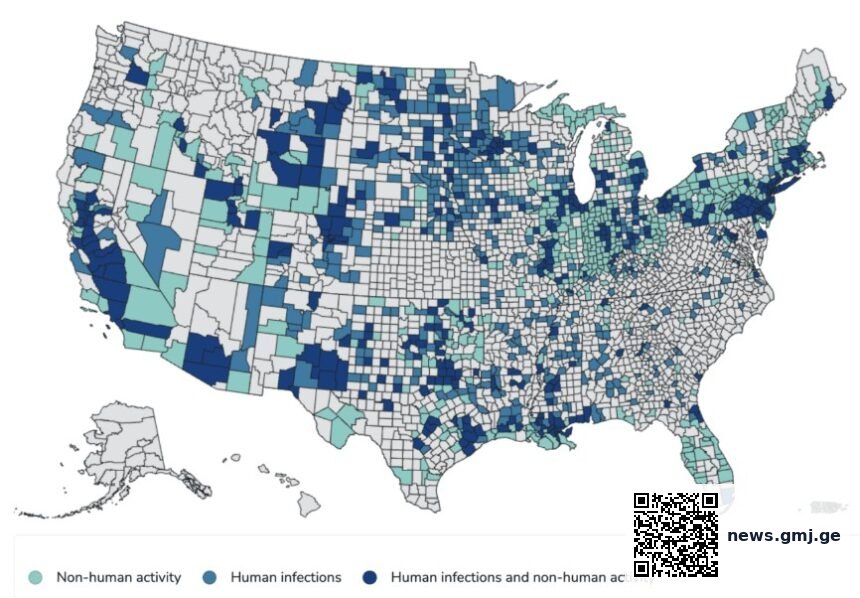
The United States is experiencing an unusually early and severe West Nile virus season, with the Centers for Disease Control and Prevention (CDC) reporting record case numbers heading into the Independence Day holiday weekend. Health officials are urging Americans to take precautions against mosquito bites during outdoor celebrations, as the virus continues its rapid spread across multiple states.
Key takeaways
- West Nile virus cases are at record levels earlier in the season than historically typical, according to CDC surveillance data
- Mosquito-borne transmission peaks during warm months, with outdoor holiday activities increasing exposure risk
- Simple preventive measures—insect repellent, protective clothing, and environmental controls—significantly reduce infection risk
West Nile Virus Transmission Risk by Season
Mosquito activity and human cases peak June through October in the United States
Source: CDC West Nile Virus Program, 2026 | Georgian Medical Journal News

An unusually aggressive season arriving early
The CDC has documented a notably accelerated West Nile virus season in 2026, with case counts exceeding typical patterns for early summer. The early onset reflects conditions favourable to mosquito breeding and viral amplification—sustained warm temperatures and adequate rainfall create ideal habitat for Culex mosquitoes, the primary vector for West Nile transmission in North America.
Public health systems across the United States have been placed on heightened alert, with clinicians advised to maintain diagnostic vigilance for neurological complications associated with West Nile infection. The virus can cause severe illness, including meningitis and encephalitis, particularly in older adults and immunocompromised individuals.
Holiday gatherings amplify outdoor exposure risk
The Independence Day holiday weekend coincides with peak mosquito activity, creating a convergence of epidemiological risk. Outdoor celebrations—barbecues, fireworks gatherings, and recreational events—typically extend into dusk and evening hours, precisely when Culex mosquitoes are most active. The CDC emphasizes that travellers and outdoor enthusiasts should understand their local West Nile transmission risk, as rates vary significantly by geography.
Pregnant women and immunocompromised populations face elevated risks and should consult healthcare providers about specific precautions. Environmental factors—standing water in plant saucers, gutters, and abandoned containers—provide breeding sites for mosquitoes within residential areas, making home-based prevention equally important to outdoor protection.
Evidence-based prevention strategies proven effective
The CDC recommends a tiered prevention approach grounded in epidemiological evidence. Topical insect repellents containing DEET, picaridin, or oil of lemon eucalyptus provide documented protection when applied to exposed skin and clothing. Protective clothing—long sleeves and trousers, particularly during peak mosquito hours (dusk through early morning)—significantly reduces bite exposure.
Environmental controls remain foundational to community-level risk reduction. Eliminating standing water, maintaining window and door screens, and using air conditioning in occupied spaces create barriers to mosquito contact. For individuals planning extended outdoor activities, pre-treatment of clothing and gear with permethrin insecticide offers sustained protection across multiple washing cycles.
West Nile virus cases are occurring at record levels earlier in the transmission season than historical norms, highlighting the importance of mosquito protection measures during high-risk outdoor activities.
— CDC West Nile Virus Program, 2026
Symptom recognition and clinical response
Most West Nile infections (approximately 80%) remain asymptomatic or cause mild febrile illness. However, clinicians and public health authorities emphasize prompt recognition of severe manifestations. Fever, headache, body aches, and fatigue appearing 2–14 days after a mosquito bite warrant evaluation, particularly if accompanied by neurological symptoms: stiff neck, confusion, altered consciousness, or flaccid paralysis.
No specific antiviral therapy exists for West Nile virus; clinical management is supportive. The CDC advises healthcare providers to maintain diagnostic suspicion during peak transmission seasons, as delayed recognition of severe disease increases morbidity and mortality risk. Blood donors are advised to defer donation temporarily if recent mosquito exposure occurred in a West Nile-endemic area.
What this means
Use insect repellent (DEET or picaridin), wear protective clothing during dusk hours, eliminate standing water around your home, and seek prompt medical evaluation if you develop fever or neurological symptoms within two weeks of potential mosquito exposure.
Maintain heightened diagnostic vigilance for West Nile neuroinvasive disease, particularly in older patients presenting with fever and encephalitis or meningitis symptoms. Early recognition informs appropriate supportive care and complication management.
Coordinate vector surveillance and environmental mosquito control programmes with public health departments; enhance laboratory capacity for rapid West Nile diagnostics; and amplify public messaging campaigns targeting high-risk populations and outdoor event organisers.
Frequently asked questions
How is West Nile virus transmitted, and can it spread person-to-person?
West Nile virus is transmitted to humans exclusively through infected mosquito bites. The virus does not spread directly from person to person through casual contact. In rare cases, transmission can occur through blood transfusion or organ transplantation, which is why blood and organ banks have established screening protocols, according to CDC guidelines.
What is the typical recovery timeline for West Nile virus infection?
Most individuals with West Nile fever recover within one week with supportive care. However, patients with neuroinvasive disease (meningitis or encephalitis) require hospitalisation and may experience extended recovery periods or persistent neurological effects. The CDC notes that older adults and immunocompromised individuals face higher risks of severe outcomes and prolonged illness.
Is there a vaccine available to prevent West Nile virus?
Currently, no licensed vaccine exists for West Nile virus in the United States. Prevention relies entirely on mosquito bite avoidance and environmental vector control. Researchers continue to evaluate vaccine candidates, and the CDC maintains surveillance systems to track circulating virus strains and inform future vaccine development strategies.
As Americans prepare for Independence Day celebrations, the convergence of record West Nile cases, peak seasonal transmission, and mass outdoor gatherings underscores the importance of accessible, evidence-based prevention information. Public health agencies, healthcare providers, and community leaders must coordinate messaging to ensure at-risk populations understand and can implement effective protective measures. The seasonal window for West Nile transmission extends through autumn, and sustained vigilance—not limited to holiday weekends—remains essential for minimising infection risk across the nation.
Source: CDC West Nile Virus Preparedness Alert
Was this article helpful?
Disclaimer. This article is health journalism intended for general information and education. It is not medical advice and is not a substitute for professional diagnosis or treatment. Always consult a qualified healthcare provider about your individual circumstances. Full disclaimer →
Related Coverage



Editorial standards. This article was produced under the GMJ News editorial process, with oversight by the GMJ Editorial Board. Our editorial process. Spotted an error? Contact the editorial team.