By using this site, you agree to the Privacy Policy and Terms of Use.
Accept
GMJ NewsGMJ NewsGMJ News
  • Latest News
    • GMJ Briefs
  • Podcast & Media
    • Podcast Episodes
    • GMJ Audio
    • GMJ Videos
  • Research Digest
    • New Studies
    • Georgian Research
    • Data & Numbers
  • Policy & Systems
    • Health Policy
    • Quality & Safety
    • Migration & Health
    • Global Health
  • Practice
    • Clinical Updates
    • Case Discussions
    • Pharmacy & Prescribing
    • Ingredients A-Z
  • Perspectives
    • Editorial
    • Explainers
    • Voices
    • Letters
  • GMJ Articles
    • Vol. 1 Issue 2 (2026)
    • Vol. 1 Issue 1 (2026)
    • Pre-Launch Articles (2025)
  • Read the Journal →
  • About GMJ News
Notification Show More
Font ResizerAa
GMJ NewsGMJ News
Font ResizerAa
  • Latest News
    • GMJ Briefs
  • Podcast & Media
    • Podcast Episodes
    • GMJ Audio
    • GMJ Videos
  • Research Digest
    • New Studies
    • Georgian Research
    • Data & Numbers
  • Policy & Systems
    • Health Policy
    • Quality & Safety
    • Migration & Health
    • Global Health
  • Practice
    • Clinical Updates
    • Case Discussions
    • Pharmacy & Prescribing
    • Ingredients A-Z
  • Perspectives
    • Editorial
    • Explainers
    • Voices
    • Letters
  • GMJ Articles
    • Vol. 1 Issue 2 (2026)
    • Vol. 1 Issue 1 (2026)
    • Pre-Launch Articles (2025)
  • Read the Journal →
  • About GMJ News
Follow US
GMJ News > Policy & Systems > Quality & Safety > FDA Issues Early Alert for Baxter Volara Breathing Device Air Leaks
Policy & SystemsQuality & Safety

FDA Issues Early Alert for Baxter Volara Breathing Device Air Leaks

GMJ
Last updated: 23/06/2026 18:42
By
GMJ Policy Desk
Share
5 Min Read
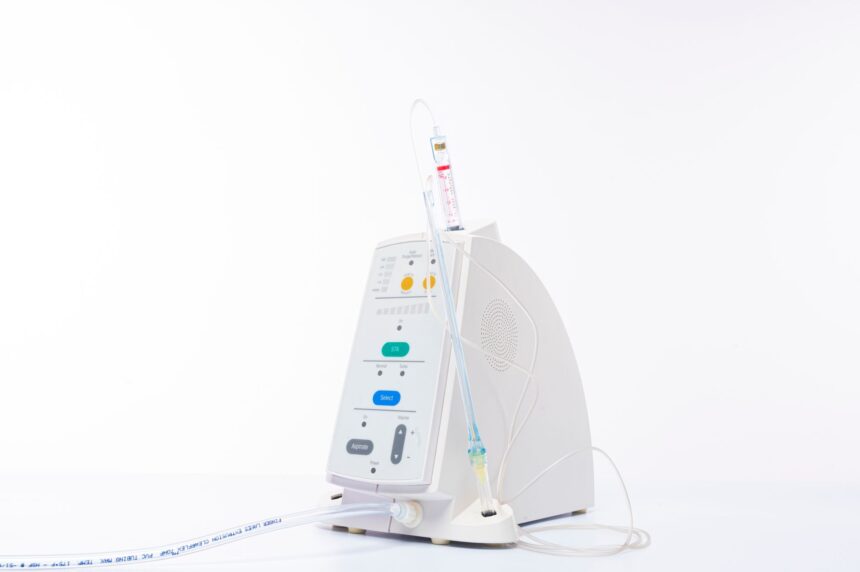
Medical professional inspecting positive pressure breathing device in hospital settingIllustrative image · Photo by Đậu Photograph on Pexels (Pexels License)
FDA issues early safety alert for Baxter Volara breathing device circuits that may leak air and medication during therapy. Healthcare providers advised to inspect devices and monitor patients closely. — Photo by Đậu Photograph on Pexels (Pexels License)
SHARE
🎧 Listen to this article4:24 min · 615 words · GMJ Audio
3 min read|615 words
✓ Reviewed by Prof. Giorgi Pkhakadze, MD, MPH, PhD · ORCID 0000-0001-7609-4515

🟢 Strong Evidence

Contents
    • Key takeaways
      • Medical Device Safety Alert Classifications
  • Device malfunction affects critical respiratory care
  • Clinical implications for respiratory therapy
  • Manufacturer response and next steps
    • What this means
  • Frequently asked questions
    • What should healthcare facilities do immediately?
    • How can clinicians identify if their device is affected?
    • Will this lead to a formal FDA recall?

The U.S. Food and Drug Administration has issued an early alert for Baxter’s Volara system patient circuits after reports of air and medication leaks during therapy. According to the FDA’s Medical Device Safety Communication, the leaks occur specifically from the nebulizer cup, potentially compromising patient oxygenation and medication delivery.

Key takeaways

  • FDA alerts healthcare providers about air and medication leaks in Baxter Volara breathing circuits
  • Leaks from nebulizer cups may reduce patient oxygenation and compromise drug delivery
  • Healthcare facilities should inspect devices and consider alternative treatments for critical patients
Class II
FDA device recall classification for moderate health risk

Medical Device Safety Alert Classifications

FDA risk categories for device safety communications

Class I – High Risk
Life-threatening
Class II – Moderate Risk
Health impairment
Class III – Low Risk
Minimal harm

Source: FDA Device Classification, 2024 | Georgian Medical Journal News

Submit Your Paper
GMJ_Submit_Banner

Device malfunction affects critical respiratory care

The Volara system is used for positive pressure breathing therapy in hospitals and healthcare facilities. The FDA’s safety alert indicates that patient circuits may develop leaks specifically at the nebulizer cup connection points during active therapy sessions.

🎙️ Related Podcast Episodes
🎧 #20 | WHO: Conflict and Instability Make Pregnancy More Dangerous · 18m
🎧 #15 | WHO: One in Two People Facing Cataract Blindness Still Need Access to Surgery · 21m
🎧 #13 | Six Years After COVID-19: Is the World Better Prepared for the Next Pandemic? · 19m

Healthcare providers using the Volara system should inspect devices before each use and monitor patients closely for signs of inadequate oxygenation. The leak issue particularly affects nebulized medication delivery, which could impact treatment effectiveness for patients requiring respiratory support.

Clinical implications for respiratory therapy

Air leaks in positive pressure breathing systems can significantly compromise therapeutic outcomes. According to CDC guidance on medical device safety, healthcare facilities should immediately assess their inventory of affected devices and implement alternative treatment protocols where necessary.

The timing of this alert is particularly significant as respiratory support devices face increased scrutiny following lessons learned during the COVID-19 pandemic. Healthcare systems have enhanced their quality and safety protocols for critical care equipment.

Manufacturer response and next steps

Baxter International has been notified of the device issues and is working with the FDA’s Center for Devices and Radiological Health to address the manufacturing defect. The company is expected to issue guidance to healthcare facilities on device inspection and temporary alternatives.

Healthcare providers should report any adverse events related to the Volara system through the FDA’s MedWatch reporting system. This early alert represents the FDA’s commitment to rapid communication of potential device safety issues before they escalate to formal recalls.

Patient circuits may leak air and medication from the nebulizer cup during therapy, leading to reduced oxygenation and ineffective nebulization

— FDA Medical Device Safety Communication (2024)

What this means

For patients: Those receiving respiratory therapy should be closely monitored for breathing difficulties or reduced treatment effectiveness
For clinicians: Inspect Volara devices before use, monitor oxygen levels closely, and have backup respiratory support ready
For policymakers: Consider enhanced pre-market testing requirements for critical respiratory devices and faster reporting mechanisms

Frequently asked questions

What should healthcare facilities do immediately?

Inspect all Volara system patient circuits for visible damage or loose connections. Monitor patients receiving therapy more frequently and have alternative respiratory support equipment readily available.

How can clinicians identify if their device is affected?

Look for air or medication leaks specifically around the nebulizer cup during therapy sessions. Any visible leakage or reduced therapeutic effectiveness should prompt immediate device replacement.

Will this lead to a formal FDA recall?

The FDA has not yet announced a formal recall. This early alert allows healthcare providers to take precautionary measures while the agency and manufacturer investigate the full scope of the issue.

This early alert underscores the importance of robust post-market surveillance for critical medical devices. Healthcare systems must balance the immediate need for respiratory support equipment with patient safety considerations, particularly as device manufacturers work to resolve manufacturing defects that could compromise patient care outcomes.

Source: Early Alert: Positive Pressure Breathing Device Issue from Baxter

Was this article helpful?

Disclaimer. This article is health journalism intended for general information and education. It is not medical advice and is not a substitute for professional diagnosis or treatment. Always consult a qualified healthcare provider about your individual circumstances. Full disclaimer →

Related Coverage

Americas Need Higher Health Taxes on Alcohol and Sugary Drinks, PAHO SaysJun 28, 2026
Blood donation rates plummet in the Americas, PAHO warns of critical shortageJun 28, 2026
Denmark Updates Digital Clinical Trial Guidance to Align with EU StandardsJun 28, 2026
MHRA's Top Scientist Dr Nicola Rose Receives OBE for Public Health LeadershipJun 28, 2026
PG
Written by
Prof. Giorgi Pkhakadze, MD, MPH, PhD
Editor-in-Chief, GMJ News
Full profile →  ·  ORCID 0000-0001-7609-4515
Medical disclaimer. This article is health journalism intended for general information. It is not medical advice and is not a substitute for consultation with a qualified healthcare professional. Always seek your physician's advice regarding any medical condition.
Medically reviewed by Prof. Giorgi Pkhakadze, MD, MPH, PhD. Spotted an error? Contact the editorial team.

Get the GMJ News digest
Evidence-based health journalism in your inbox. No spam; unsubscribe anytime.
TAGGED:Baxter VolaraFDA alertmedical device safetyPatient Safetyrespiratory therapy
Share This Article
Facebook LinkedIn Bluesky Copy Link Print
GMJ
ByGMJ Policy Desk
Follow:
GMJ Policy Desk is part of GMJ News, the newsroom of the Georgian Medical Journal (gmj.ge), published by the Public Health Institute of Georgia. Every article is editorially reviewed before publication.
Leave a Comment Leave a Comment

Leave a Reply Cancel reply

Your email address will not be published. Required fields are marked *

Submit Your Paper →

Georgia's peer-reviewed open-access medical journal. No APC until January 2027.
Submit Manuscript →
Americas Need Higher Health Taxes on Alcohol and Sugary Drinks, PAHO Says

Pan American Health Organization calls for higher taxes on alcohol and sugary…

Blood donation rates plummet in the Americas, PAHO warns of critical shortage

PAHO warns of critical blood shortages across the Americas, calling for urgent…

Denmark Updates Digital Clinical Trial Guidance to Align with EU Standards

Denmark's medicines regulator updates digital clinical trial guidance to align with EU…

Submit Your Paper to GMJ

No APC until January 2027.
Submit Manuscript →

You Might Also Like

American Diabetes Association annual convention with attendees and medical professionalsIllustrative image · "President Trump Delivers Remarks on Protecting Seniors with Diabetes" by The White House is marked with Public Domain Mark 1.0. To view the terms, visit https://creativecommons.org/publicdomain/mark/1.0/. (Public Domain Mark)
Health PolicyPolicy & Systems

American Diabetes Association CEO Apologizes After Members Expelled from Annual Convention

By
GMJ Policy Desk
26/06/2026
Medical conference hall with researchers discussing diabetes funding policyIllustrative image · "Diabetes Testing Strips" by bodytel is licensed under CC BY-ND 2.0. To view a copy of this license, visit https://creativecommons.org/licenses/by-nd/2.0/. (CC BY-ND 2.0)
Health PolicyPolicy & Systems

Diabetes Experts Expelled from ADA Meeting Over NIH Funding Protest Sparks Controversy

By
GMJ Policy Desk
24/06/2026
Chart showing Amish population growth projection from 400,000 to 2 million by 2075Photo by Praswin Prakashan on Unsplash (Unsplash License)
Health PolicyPolicy & Systems

Amish Community Growth Could Reach 2 Million by 2075, Raising Public Health Questions

By
GMJ Policy Desk
13/06/2026
Infographic showing global blood donation statistics and safety improvements by WHOIllustrative image · Photo by Nguyễn Hiệp on Unsplash (Unsplash License)
Global HealthPolicy & Systems

Global blood safety improves but access gaps persist as WHO reports 85% voluntary donations

By
GMJ Policy Desk
28/06/2026
Facebook Twitter Youtube Instagram
Company
  • Privacy Policy
  • Contact US
  • GMJ Journal
  • Submit Manuscript
  • Editorial Team
  • Register at GMJ
  • Terms of Use

Subscribe to GMJ News — Click here

Join Community
© 2026 Georgian Medical Journal (GMJ). Published by the Public Health Institute of Georgia (PHIG). All rights reserved.
Welcome Back!

Sign in to your account

Username or Email Address
Password

Lost your password?

Not a member? Sign Up