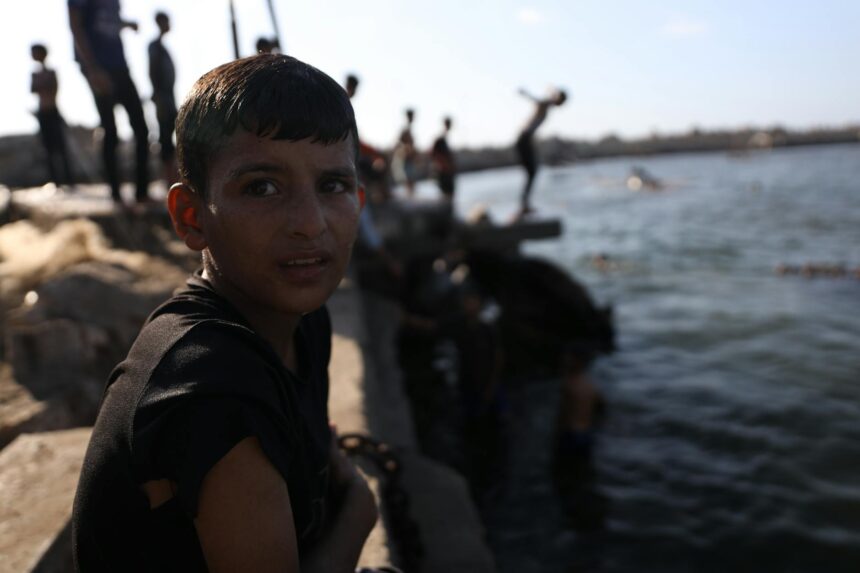
Healthcare professionals and policy stakeholders should understand three critical dimensions of the emerging skin disease crisis affecting Gaza’s children. First, the scale is significant: 1,500 documented cases represent children suffering from conditions that are entirely preventable and treatable under normal healthcare conditions. Second, the root causes are systemic—poor sanitation, overcrowded displacement shelters, and limited water access create a perfect environment for skin infections to spread rapidly through vulnerable pediatric populations.
Third, the practical implication is sobering: medical personnel lack basic tools to intervene effectively. Standard antiseptics, appropriate medications, and proper clinical facilities are severely constrained, forcing healthcare workers to watch preventable complications develop. For clinicians working in humanitarian settings, this crisis illustrates how addressing child health requires simultaneous attention to water infrastructure, medical supply chains, and healthcare facility capacity. The situation demands coordinated international response focused on both immediate medical care and the underlying humanitarian conditions enabling disease proliferation.
Read the full article on GMJ Newsroom.
Was this article helpful?