By using this site, you agree to the Privacy Policy and Terms of Use.
Accept
GMJ NewsGMJ NewsGMJ News
  • Latest News
    • GMJ Briefs
  • Podcast & Media
    • Podcast Episodes
    • GMJ Audio
    • GMJ Videos
  • Research Digest
    • New Studies
    • Georgian Research
    • Data & Numbers
  • Policy & Systems
    • Health Policy
    • Quality & Safety
    • Migration & Health
    • Global Health
  • Practice
    • Clinical Updates
    • Case Discussions
    • Pharmacy & Prescribing
  • Perspectives
    • Editorial
    • Explainers
    • Voices
    • Letters
  • GMJ Articles
    • Vol. 1 Issue 2 (2026)
    • Vol. 1 Issue 1 (2026)
    • Pre-Launch Articles (2025)
  • Read the Journal →
  • About GMJ News
Notification Show More
Font ResizerAa
GMJ NewsGMJ News
Font ResizerAa
  • Latest News
    • GMJ Briefs
  • Podcast & Media
    • Podcast Episodes
    • GMJ Audio
    • GMJ Videos
  • Research Digest
    • New Studies
    • Georgian Research
    • Data & Numbers
  • Policy & Systems
    • Health Policy
    • Quality & Safety
    • Migration & Health
    • Global Health
  • Practice
    • Clinical Updates
    • Case Discussions
    • Pharmacy & Prescribing
  • Perspectives
    • Editorial
    • Explainers
    • Voices
    • Letters
  • GMJ Articles
    • Vol. 1 Issue 2 (2026)
    • Vol. 1 Issue 1 (2026)
    • Pre-Launch Articles (2025)
  • Read the Journal →
  • About GMJ News
Follow US
GMJ News > Policy & Systems > Migration & Health > Gaza’s Child Health Crisis: 1,500 Children Suffering Severe Skin Diseases Amid Humanitarian Collapse
Migration & HealthPolicy & Systems

Gaza’s Child Health Crisis: 1,500 Children Suffering Severe Skin Diseases Amid Humanitarian Collapse

GMJ
Last updated: 31/05/2026 00:32
By
GMJ News Desk
Share
5 Min Read
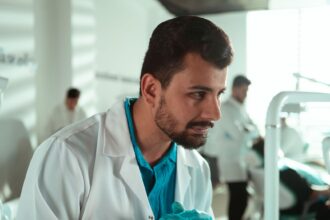
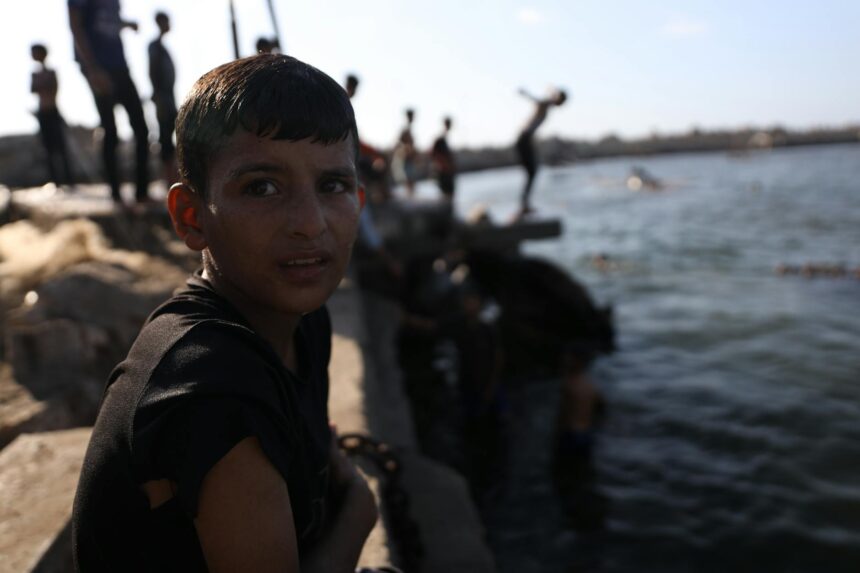
Children receiving medical care in Gaza humanitarian crisis
At least 1,500 children in Gaza suffer from severe skin diseases as deteriorating living conditions create preventable health crises. UNICEF reports document how limited access to clean water and medical supplies compounds what would be easily treatable conditions under normal circumstances. — Photo: itz.alawii / Pexels
SHARE
🎧 Listen to this article4:48 min · 604 words · GMJ Audio

Contents
      • Children’s Health Crisis in Gaza
  • Living Conditions Fuel Disease Spread
  • Medical Resources Severely Constrained
  • Humanitarian Response Challenges
    • Key takeaways
  • Frequently asked questions
    • What types of skin diseases are affecting children in Gaza?
    • How do humanitarian crises typically impact children’s health?
    • What medical interventions are most needed for these children?

At least 1,500 children in Gaza are suffering from severe skin diseases as dire living conditions create an endless cycle of illness and deteriorating health, according to new data from UNICEF. The humanitarian crisis has left children particularly vulnerable to preventable diseases that would be easily treatable under normal circumstances.

1,500
children with severe skin diseases documented by UNICEF in Gaza

Children’s Health Crisis in Gaza

Key health challenges affecting Gaza’s children, 2024

1,500
children with severe
skin diseases
2.3m
people in need of
humanitarian aid
90%
of population
displaced

Source: UNICEF, 2024 | Georgian Medical Journal News

Submit Your Paper
GMJ_Submit_Banner

Living Conditions Fuel Disease Spread

The deteriorating sanitary conditions and lack of clean water have created a perfect storm for skin infections among Gaza’s children. Families are struggling to maintain basic hygiene in overcrowded shelters and temporary accommodations, according to UNICEF’s field reports.

🎙️ Related Podcast Episodes
🎧 #11 | WHO Urges Schools Worldwide to Promote Healthy Eating for Children · 20m
🎧 #28 | GMJ Podcast | SheniEkimi.ge #1: Top 5 Evidence-Based Public Health News · 19m
🎧 #26 | Denmark Becomes First EU Country to Eliminate Mother-to-Child Transmission of HIV and · 14m
🎧 #25 | WHO Warns: Childhood Hearing Loss Must Be Addressed Early · 19m
🎧 #20 | WHO: Conflict and Instability Make Pregnancy More Dangerous · 18m

“I try to clean her wounds but my daughter screams in agony,” one mother told UNICEF workers, illustrating the painful reality facing families. UNICEF’s health teams report that many children are developing complications from untreated skin conditions due to limited access to medical supplies and proper facilities.

The crisis highlights broader challenges in migration and displacement health, where vulnerable populations face compounded health risks during humanitarian emergencies.

Medical Resources Severely Constrained

Healthcare facilities in Gaza are operating under extreme constraints, with limited supplies of basic medications and antiseptics needed to treat skin conditions. The World Health Organization has documented significant gaps in medical supply chains that directly impact children’s healthcare access.

Pediatric dermatological conditions that would typically require simple treatments have become serious health threats. UNICEF medical personnel report seeing complications that could have been prevented with timely intervention and proper sanitation facilities.

Humanitarian Response Challenges

UNICEF and partner organizations are working to deliver medical supplies and establish treatment protocols for affected children. However, access restrictions and security concerns continue to limit the scope of interventions possible in the region, according to UNICEF reports.

The situation demonstrates the complex relationship between conflict, displacement, and public health outcomes during humanitarian emergencies.

International humanitarian law requires parties to conflict to ensure medical care access for civilian populations, particularly children. The UN Office of the High Commissioner for Human Rights has repeatedly emphasized these obligations during ongoing crises.

Key takeaways

  • At least 1,500 children in Gaza documented with severe skin diseases due to poor living conditions
  • Limited access to clean water and medical supplies compounds preventable health problems
  • Healthcare infrastructure constraints prevent timely treatment of conditions that would be easily manageable under normal circumstances

Frequently asked questions

What types of skin diseases are affecting children in Gaza?

UNICEF reports document various dermatological conditions including bacterial skin infections, scabies, and other conditions linked to poor sanitation and overcrowded living conditions. The lack of clean water and soap exacerbates these preventable diseases.

How do humanitarian crises typically impact children’s health?

Children are particularly vulnerable during emergencies due to their developing immune systems and higher nutritional needs. Displacement disrupts vaccination programs, clean water access, and routine healthcare, leading to increased rates of infectious diseases.

What medical interventions are most needed for these children?

Basic medical supplies including antiseptics, antibiotics for bacterial infections, and topical treatments are urgently needed. Equally important are improved sanitation facilities, clean water access, and less crowded living conditions to prevent reinfection.

The Gaza health crisis underscores the urgent need for sustained humanitarian medical assistance and highlights how quickly preventable diseases can become serious health threats when basic healthcare infrastructure is compromised. International health organizations continue to advocate for improved access to deliver life-saving medical care to affected children.

Source: “I try to clean her wounds but my daughter screams in agony:” Dire conditions trap children in Gaza in an endless cycle of suffering

TAGGED:child healthGazahumanitarian crisisskin diseasesUNICEF
Share This Article
Facebook LinkedIn Bluesky Copy Link Print
Leave a Comment Leave a Comment

Leave a Reply Cancel reply

Your email address will not be published. Required fields are marked *

Submit Your Paper →

Georgia's peer-reviewed open-access medical journal. No APC until January 2027.
Submit Manuscript →
WHO: 40 Million Children Use Tobacco as Youth Nicotine Addiction Crisis Escalates

WHO reports at least 40 million children aged 13-15 use tobacco products…

Multiple Myeloma Treatment Paradigm Shift: New Guidelines Redefine Early Relapse

New England Journal of Medicine editorial calls for fundamental changes to multiple…

Protein ‘Traffic Jams’ in Brain Cells May Drive Aging and Memory Loss

Stanford scientists discover that cellular "traffic jams" in protein-building machinery may drive…

Submit Your Paper to GMJ

No APC until January 2027.
Submit Manuscript →

You Might Also Like

Empty children's home room with single bed, representing unregulated care facilities in UK
Health Policy

Unregulated Children’s Homes: Why UK Councils Are Spending Millions on Illegal Placements

By
GMJ News Desk
21/05/2026
World map showing distribution of high consequence infectious disease risk by country
Global Health

UK Health Agency Identifies Countries with High Consequence Infectious Disease Occurrence

By
GMJ News Desk
21/05/2026
WHO delegates at Seventy-ninth World Health Assembly voting on pandemic preparedness resolutions
Health Policy

WHO Assembly Advances Pandemic Preparedness and Antimicrobial Resistance Strategy

By
GMJ News Desk
21/05/2026
Chart showing rising trend of WHO-detected health emergency events from 2015 to 2024
Global Health

World ‘Moving Backwards’ on Pandemic Preparedness as Disease Outbreaks Surge, GPMB Warns

By
GMJ News Desk
19/05/2026
Facebook Twitter Youtube Instagram
Company
  • Privacy Policy
  • Contact US
  • GMJ Journal
  • Submit Manuscript
  • Editorial Team
  • Register at GMJ
  • Terms of Use

Subscribe to GMJ News — Click here

Join Community
© 2026 Georgian Medical Journal (GMJ). Published by the Public Health Institute of Georgia (PHIG). All rights reserved.
Welcome Back!

Sign in to your account

Username or Email Address
Password

Lost your password?

Not a member? Sign Up