By using this site, you agree to the Privacy Policy and Terms of Use.
Accept
GMJ NewsGMJ NewsGMJ News
  • Latest News
    • GMJ Briefs
  • Podcast & Media
    • Podcast Episodes
    • GMJ Audio
    • GMJ Videos
  • Research Digest
    • New Studies
    • Georgian Research
    • Data & Numbers
  • Policy & Systems
    • Health Policy
    • Quality & Safety
    • Migration & Health
    • Global Health
  • Practice
    • Clinical Updates
    • Case Discussions
    • Pharmacy & Prescribing
    • Ingredients A-Z
  • Perspectives
    • Editorial
    • Explainers
    • Voices
    • Letters
  • GMJ Articles
    • Vol. 1 Issue 2 (2026)
    • Vol. 1 Issue 1 (2026)
    • Pre-Launch Articles (2025)
  • Read the Journal →
  • About GMJ News
Notification Show More
Font ResizerAa
GMJ NewsGMJ News
Font ResizerAa
  • Latest News
    • GMJ Briefs
  • Podcast & Media
    • Podcast Episodes
    • GMJ Audio
    • GMJ Videos
  • Research Digest
    • New Studies
    • Georgian Research
    • Data & Numbers
  • Policy & Systems
    • Health Policy
    • Quality & Safety
    • Migration & Health
    • Global Health
  • Practice
    • Clinical Updates
    • Case Discussions
    • Pharmacy & Prescribing
    • Ingredients A-Z
  • Perspectives
    • Editorial
    • Explainers
    • Voices
    • Letters
  • GMJ Articles
    • Vol. 1 Issue 2 (2026)
    • Vol. 1 Issue 1 (2026)
    • Pre-Launch Articles (2025)
  • Read the Journal →
  • About GMJ News
Follow US
GMJ News > Practice > Clinical Updates > FDA Advisory Panel Endorses Moderna mRNA Flu Vaccine After Earlier Controversy
Clinical UpdatesPolicy & SystemsPracticeQuality & Safety

FDA Advisory Panel Endorses Moderna mRNA Flu Vaccine After Earlier Controversy

GMJ
Last updated: 12/07/2026 13:29
By
GMJ Practice Desk
Share
7 Min Read
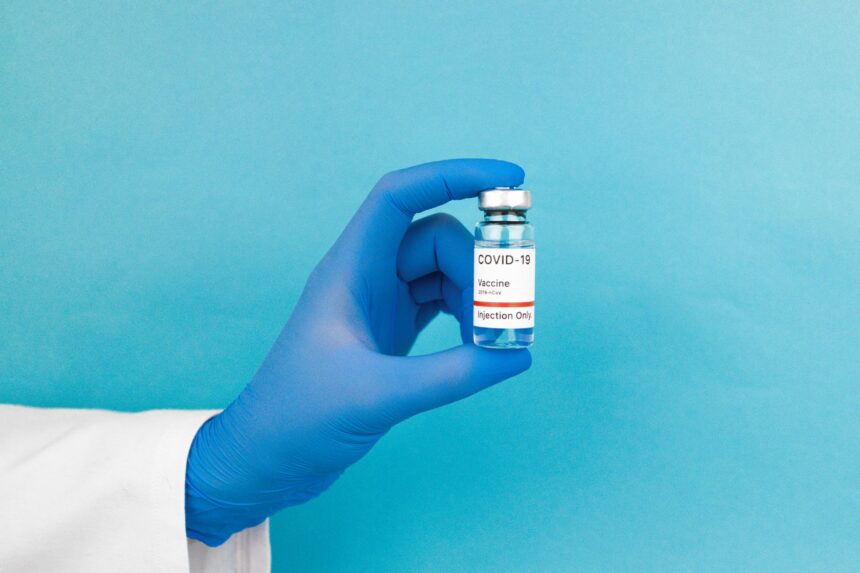
FDA Vaccines and Related Biological Products Advisory Committee meeting room with advisers reviewing vaccine dataIllustrative image · Photo by Maksim Goncharenok on Pexels (Pexels License)
The FDA's Vaccines and Related Biological Products Advisory Committee endorsed Moderna's seasonal mRNA influenza vaccine in June 2026, resolving the regulatory pathway after earlier public controversy. The endorsement represents the first seasonal mRNA flu vaccine to reach this approval milestone. — Photo by Maksim Goncharenok on Pexels (Pexels License)
SHARE
5 min read|936 words
✓ Medically reviewed by Prof. Giorgi Pkhakadze, MD, MPH, PhD · ORCID 0000-0001-7609-4515

The FDA’s Vaccines and Related Biological Products Advisory Committee (VRBPAC) has endorsed Moderna’s seasonal mRNA influenza vaccine in June 2026, marking a regulatory milestone for the mRNA flu vaccine class after the candidate faced public controversy earlier in the year. The endorsement signals confidence in the vaccine’s safety and efficacy profile among independent federal advisers tasked with evaluating biologics for licensure.

Contents
    • Key takeaways
      • mRNA Vaccine Platform Expansion in Influenza Prevention
  • Advisory Committee Process and Regulatory Pathway
  • Earlier Controversy and Public Scrutiny
  • mRNA Platform and Influenza Vaccine Innovation
    • What this means
  • Frequently asked questions
    • What is an mRNA flu vaccine?
    • Is VRBPAC endorsement the same as FDA approval?
    • When will Moderna’s mRNA flu vaccine be available?

Key takeaways

  • The FDA’s VRBPAC voted to recommend approval of Moderna’s mRNA flu vaccine despite earlier controversy
  • This represents the first seasonal mRNA flu vaccine to reach this stage of FDA review
  • The endorsement follows a period of public debate about the vaccine candidate’s development and clinical data
1
First seasonal mRNA influenza vaccine to receive FDA advisory panel endorsement

mRNA Vaccine Platform Expansion in Influenza Prevention

Moderna’s mRNA flu vaccine represents a new class entering seasonal influenza market, 2026

1
mRNA flu vaccine endorsed by VRBPAC
Decades
Traditional egg-based flu vaccines in use
2020+
mRNA platform proven in COVID-19 vaccines

Source: FDA VRBPAC, 2026 | Georgian Medical Journal News

Advisory Committee Process and Regulatory Pathway

The VRBPAC, an independent panel of vaccine scientists and clinicians convened by the FDA’s Center for Biologics Evaluation and Research (CBER), reviews clinical and manufacturing data for all vaccine candidates seeking U.S. licensure. The committee’s June 2026 recommendation carries significant weight in the FDA’s final licensing decision, though the agency retains independent authority over approval. VRBPAC endorsements typically precede FDA authorization within weeks to months.

Submit Your Paper
GMJ_Submit_Banner

The endorsement of Moderna’s mRNA flu vaccine reflects the committee’s assessment that available clinical trial data and manufacturing quality controls meet regulatory standards for seasonal influenza prevention. The timing places the vaccine on track for potential licensure ahead of the 2026–2027 influenza season, should the FDA grant formal approval.

Earlier Controversy and Public Scrutiny

Moderna’s mRNA flu vaccine candidate became the subject of public debate and media scrutiny earlier in 2026, with questions raised about clinical trial design, data transparency, and the speed of development. The controversy did not prevent the candidate from advancing to VRBPAC review, indicating that regulatory scientists at the FDA’s Center for Drug Evaluation and Research (CDER) found the data package sufficient for expert panel review.

The June VRBPAC endorsement effectively resolves the regulatory pathway question, though public and scientific discussion about the vaccine’s real-world effectiveness may continue post-licensure. Regulatory approval and ongoing safety monitoring represent distinct processes; even licensed vaccines undergo continuous pharmacovigilance through systems like the Vaccine Adverse Event Reporting System (VAERS).

mRNA Platform and Influenza Vaccine Innovation

Moderna’s mRNA flu vaccine represents the application of messenger RNA technology—proven effective in COVID-19 vaccines—to seasonal influenza prevention. Unlike traditional inactivated vaccines cultivated in eggs or cell cultures, mRNA vaccines encode instructions for cells to produce the target antigen directly. This approach potentially offers advantages in manufacturing speed and the ability to adapt quickly to emerging influenza strains.

The endorsement signals confidence in the mRNA platform’s versatility beyond pandemic response. If licensed, Moderna’s vaccine would compete in the annual influenza vaccine market alongside established products from Seqirus, Sanofi Pasteur, and other manufacturers. Further clinical data on effectiveness in diverse populations will be essential to understanding the vaccine’s role in public health practice.

The FDA’s VRBPAC voted to recommend approval of Moderna’s mRNA flu vaccine, marking the first seasonal mRNA influenza vaccine to reach this regulatory milestone.

— FDA Vaccines and Related Biological Products Advisory Committee (VRBPAC), June 2026

What this means

For patients: A new influenza vaccine option may become available before the 2026–2027 flu season if the FDA grants licensure. Individuals should await official guidance from their healthcare providers and public health authorities on indication, contraindications, and eligibility for the new mRNA flu vaccine.
For clinicians: Preparation for potential inclusion of an mRNA flu vaccine in seasonal influenza vaccination programs is warranted. Clinicians should familiarize themselves with administration guidance, storage requirements, and any specific population recommendations once the vaccine is licensed.
For policymakers: The endorsement creates a pathway for the mRNA flu vaccine to be considered for inclusion in public vaccination programs and insurance coverage discussions. Public health agencies should prepare communication materials and vaccination capacity planning for a three-vaccine influenza landscape (traditional inactivated, recombinant, and mRNA options).

Frequently asked questions

What is an mRNA flu vaccine?

An mRNA vaccine instructs human cells to produce a harmless piece of influenza virus protein, triggering an immune response without exposing the person to the live or inactivated virus. mRNA vaccines are degraded naturally by the body and do not integrate into human DNA. The platform has been used in approved COVID-19 vaccines since 2020.

Is VRBPAC endorsement the same as FDA approval?

No. VRBPAC is an independent advisory panel that reviews data and makes a recommendation, but the FDA retains final authority to approve, conditionally approve, or reject a vaccine. However, VRBPAC endorsement is a strong predictor of FDA licensure and typically precedes formal approval by weeks to months.

When will Moderna’s mRNA flu vaccine be available?

If the FDA grants licensure following the VRBPAC endorsement, the vaccine could become available before the 2026–2027 influenza season. The exact timeline depends on the FDA’s review schedule and any additional manufacturing or data requirements the agency may impose.

The VRBPAC endorsement resolves a regulatory pathway question that became entangled with public controversy earlier this year, positioning Moderna’s mRNA flu vaccine for potential licensure and integration into seasonal influenza vaccination programs. Real-world effectiveness data and post-licensure safety surveillance will provide critical evidence on the vaccine’s value in clinical and public health practice. Healthcare providers and patients should await official FDA licensure and CDC guidance before therapeutic decisions are made.

Source: FDA advisory panel endorses Moderna mRNA flu vaccine that was subject of controversy

Was this article helpful?

Disclaimer. This article is health journalism intended for general information and education. It is not medical advice and is not a substitute for professional diagnosis or treatment. Always consult a qualified healthcare provider about your individual circumstances. Full disclaimer →

Related Coverage

HPV Vaccination Linked to Near-Elimination of Cervical Cancer Deaths in Young WomenJul 12, 2026
Eli Lilly cuts 340B drug discounts to hospitals failing to report claims dataJul 12, 2026
Longer initial benzodiazepine prescriptions linked to delayed discontinuation, Ontario study findsJul 12, 2026
Combination Immunotherapy Shows Promise in Bladder Cancer Surgery: New NEJM EvidenceJul 12, 2026
Related reference
  • SAMe · Ingredient
PG
Written by
Prof. Giorgi Pkhakadze, MD, MPH, PhD
Editor-in-Chief, GMJ News
Full profile →  ·  ORCID 0000-0001-7609-4515
Medical disclaimer. This article is health journalism intended for general information. It is not medical advice and is not a substitute for consultation with a qualified healthcare professional. Always seek your physician's advice regarding any medical condition.
Medically reviewed by Prof. Giorgi Pkhakadze, MD, MPH, PhD. Spotted an error? Contact the editorial team.

Get the GMJ News digest
Evidence-based health journalism in your inbox. No spam; unsubscribe anytime.
TAGGED:FDAinfluenzaModernamRNA vaccineVRBPAC
Share This Article
Facebook LinkedIn Bluesky Copy Link Print
GMJ
ByGMJ Practice Desk
Follow:
GMJ Practice Desk is part of GMJ News, the newsroom of the Georgian Medical Journal (gmj.ge), published by the Public Health Institute of Georgia. Every article is editorially reviewed before publication.
Leave a Comment Leave a Comment

Leave a Reply Cancel reply

Your email address will not be published. Required fields are marked *

Submit Your Paper →

Georgia's peer-reviewed open-access medical journal. No APC until January 2027.
Submit Manuscript →
HPV Vaccination Linked to Near-Elimination of Cervical Cancer Deaths in Young Women

HPV vaccination of school-age girls beginning in 2008 has reduced cervical cancer…

Eli Lilly cuts 340B drug discounts to hospitals failing to report claims data

Eli Lilly has begun eliminating federally mandated drug price breaks to hospitals…

Longer initial benzodiazepine prescriptions linked to delayed discontinuation, Ontario study finds

A study of 1.8 million Ontario residents found that longer initial benzodiazepine…

Submit Your Paper to GMJ

No APC until January 2027.
Submit Manuscript →

You Might Also Like

Colorful array of flavanol-rich fruits including blueberries, cherries, and blackberriesIllustrative image · Photo by Engin Akyurt on Pexels (Pexels License)
Clinical UpdatesNew StudiesPracticeResearch Digest

Flavanol-Rich Fruits Could Cut Heart Disease Risk, New Multi-Institutional Study Shows

By
GMJ Practice Desk
17/06/2026
Chart showing prosecutor's fallacy and Simpson's paradox as risks in drug safety assessmentIllustrative image · "Antibiotics" by michaelll is licensed under CC BY-SA 2.0. To view a copy of this license, visit https://creativecommons.org/licenses/by-sa/2.0/. (CC BY-SA 2.0)
Clinical UpdatesPolicy & SystemsPracticeQuality & Safety

How statistical paradoxes mislead drug safety decisions—and why AI may help

By
GMJ Practice Desk
11/07/2026
UK pharmaceutical regulatory enforcement document showing suspended licences
Policy & SystemsQuality & Safety

UK Medicines Regulator Suspends Multiple Drug Manufacturing Licences

By
GMJ Policy Desk
27/05/2026
Diphtheria prevention through DTP vaccine coverage assessment chart showing vaccination effectiveness across population groupsIllustrative image · Photo by www.kaboompics.com on Pexels (Pexels License)
Global HealthHealth PolicyPolicy & Systems

Diphtheria Cases Rise Across Americas: PAHO Calls for Urgent Vaccination Push

By
GMJ Policy Desk
10/07/2026
Facebook Twitter Youtube Instagram
Company
  • Privacy Policy
  • Contact US
  • GMJ Journal
  • Submit Manuscript
  • Editorial Team
  • Register at GMJ
  • Terms of Use

Subscribe to GMJ News — Click here

Join Community
© 2026 Georgian Medical Journal (GMJ). Published by the Public Health Institute of Georgia (PHIG). All rights reserved.
Welcome Back!

Sign in to your account

Username or Email Address
Password

Lost your password?

Not a member? Sign Up