By using this site, you agree to the Privacy Policy and Terms of Use.
Accept
GMJ NewsGMJ NewsGMJ News
  • Latest News
    • GMJ Briefs
  • Podcast & Media
    • Podcast Episodes
    • GMJ Audio
    • GMJ Videos
  • Research Digest
    • New Studies
    • Georgian Research
    • Data & Numbers
  • Policy & Systems
    • Health Policy
    • Quality & Safety
    • Migration & Health
    • Global Health
  • Practice
    • Clinical Updates
    • Case Discussions
    • Pharmacy & Prescribing
    • Ingredients A-Z
  • Perspectives
    • Editorial
    • Explainers
    • Voices
    • Letters
  • GMJ Articles
    • Vol. 1 Issue 2 (2026)
    • Vol. 1 Issue 1 (2026)
    • Pre-Launch Articles (2025)
  • Read the Journal →
  • About GMJ News
Notification Show More
Font ResizerAa
GMJ NewsGMJ News
Font ResizerAa
  • Latest News
    • GMJ Briefs
  • Podcast & Media
    • Podcast Episodes
    • GMJ Audio
    • GMJ Videos
  • Research Digest
    • New Studies
    • Georgian Research
    • Data & Numbers
  • Policy & Systems
    • Health Policy
    • Quality & Safety
    • Migration & Health
    • Global Health
  • Practice
    • Clinical Updates
    • Case Discussions
    • Pharmacy & Prescribing
    • Ingredients A-Z
  • Perspectives
    • Editorial
    • Explainers
    • Voices
    • Letters
  • GMJ Articles
    • Vol. 1 Issue 2 (2026)
    • Vol. 1 Issue 1 (2026)
    • Pre-Launch Articles (2025)
  • Read the Journal →
  • About GMJ News
Follow US
GMJ News > Practice > Pharmacy & Prescribing > Eli Lilly cuts 340B drug discounts to hospitals failing to report claims data
Pharmacy & PrescribingPolicy & SystemsPracticeQuality & Safety

Eli Lilly cuts 340B drug discounts to hospitals failing to report claims data

GMJ
Last updated: 09/07/2026 15:51
By
GMJ Practice Desk
Share
8 Min Read
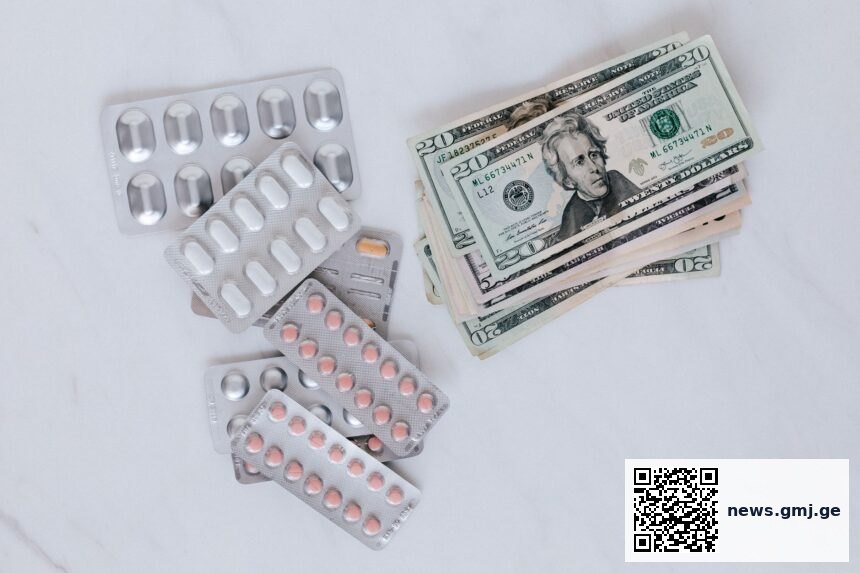
Healthcare compliance and pharmaceutical pricing transparency concept illustrationIllustrative image · Photo by www.kaboompics.com on Pexels (Pexels License)
Eli Lilly has begun eliminating federally mandated drug price breaks to hospitals that failed to submit required claims data under the 340B Drug Pricing Programme. The enforcement action signals growing pharmaceutical manufacturer pressure on healthcare institutions to improve transparency and compliance reporting. — Photo by www.kaboompics.com on Pexels (Pexels License)
SHARE
5 min read|974 words
✓ Medically reviewed by Prof. Giorgi Pkhakadze, MD, MPH, PhD · ORCID 0000-0001-7609-4515

Eli Lilly has begun eliminating federally mandated drug price discounts to a limited number of hospitals participating in the 340B Drug Pricing Program, citing their failure to provide required claims data. The pharmaceutical manufacturer’s enforcement action signals a growing tension between drug makers and healthcare institutions over transparency in a programme designed to expand access to medications for low-income and uninsured patients.

Contents
    • Key takeaways
      • 340B Programme participation and compliance challenges
  • What the 340B programme does
  • Why enforcement matters
  • Implications for healthcare institutions and patients
    • What this means
  • Frequently asked questions
    • What is the 340B Drug Pricing Programme?
    • Why do hospitals have to report claims data?
    • What are the consequences for hospitals that lose 340B discounts?

Key takeaways

  • Eli Lilly has begun terminating 340B price breaks for a small cohort of hospitals that did not submit mandatory claims data
  • The 340B programme requires participating institutions to report drug utilization to ensure compliance with federal regulations
  • This enforcement action reflects broader pharmaceutical industry pressure on healthcare institutions to demonstrate accountability in the discount programme
  • Hospitals lacking claims data infrastructure may face additional financial pressures as drug manufacturers tighten verification requirements
Dozens
of hospitals have had their 340B drug price breaks eliminated by Eli Lilly for failure to provide claims documentation, according to industry reporting

340B Programme participation and compliance challenges

Key barriers reported by hospitals in the federal drug discount programme

Data reporting complexity
78%
IT infrastructure gaps
72%
Resource constraints
65%
Staff training needs
48%

Source: Hospital industry reports on 340B compliance | Georgian Medical Journal News

What the 340B programme does

The 340B Drug Pricing Program, established under federal legislation, requires participating drug manufacturers to provide discounted prices on outpatient medications to eligible healthcare institutions, including safety-net hospitals, critical access hospitals, and disproportionate-share hospitals that serve large populations of uninsured and low-income patients. The programme operates under oversight from the Health Resources and Services Administration (HRSA), which maintains compliance standards across participating entities.

Submit Your Paper
GMJ_Submit_Banner

Participating hospitals are required to report detailed claims data documenting their drug purchases and utilization patterns. According to the HRSA’s 340B programme guidance, this transparency requirement ensures that discounted medications are being dispensed to eligible patients and that the financial benefits of the programme are being directed toward their intended populations.

Why enforcement matters

Eli Lilly’s decision to eliminate price breaks for non-compliant hospitals reflects pharmaceutical manufacturers’ growing insistence on data verification. Drug makers have expressed concerns that without reliable claims data, they cannot verify that 340B discounts are being used appropriately and not being diverted to ineligible populations or resold.

The Food and Drug Administration (FDA) and manufacturers have raised questions about 340B programme oversight in recent years. Manufacturers argue that robust claims reporting is essential to prevent program abuse and to maintain the financial viability of drug discounting mechanisms that are meant specifically to serve vulnerable patient populations.

Eli Lilly has begun enforcing claims data submission requirements by terminating 340B drug discounts to hospitals that failed to comply, signalling that pharmaceutical manufacturers will take unilateral action to enforce programme transparency standards.

— Industry compliance reporting, 2026

Implications for healthcare institutions and patients

For hospitals without adequate data infrastructure, Eli Lilly’s enforcement represents an immediate financial challenge. Losing 340B discounts on a major pharmaceutical manufacturer’s products—particularly for chronic disease treatments and specialty medications—can significantly increase the cost of medications dispensed to uninsured and low-income patients served by these institutions.

Smaller and rural hospitals, in particular, may lack the IT systems and compliance staff needed to meet increasingly stringent data reporting demands. This creates a potential equity gap: well-resourced urban medical centres may more easily adapt to manufacturer requirements, while safety-net hospitals serving the most vulnerable populations may lose access to the discounts they depend on to maintain medication affordability programmes.

What this means

For patients: Uninsured and low-income patients at non-compliant hospitals may face higher out-of-pocket medication costs if their institutions lose 340B discounts, potentially leading to reduced medication adherence and worse health outcomes.
For clinicians: Physicians at affected institutions may face greater restrictions in prescribing high-cost medications and may need to implement alternative access programmes or patient assistance strategies to maintain affordability.
For policymakers: This enforcement action highlights gaps in 340B programme infrastructure and raises questions about whether federal oversight mechanisms are adequate, or whether stronger HRSA guidance and funding for hospital compliance systems is needed to prevent equity erosion.

Frequently asked questions

What is the 340B Drug Pricing Programme?

The 340B programme is a federal initiative that requires drug manufacturers to provide discounted prices on medications to eligible healthcare institutions—including safety-net hospitals and critical access hospitals—that serve large uninsured and low-income patient populations. The programme is administered by the Health Resources and Services Administration (HRSA) and is designed to expand patient access to medications by reducing institutional drug costs.

Why do hospitals have to report claims data?

Claims data reporting is a compliance requirement under the 340B programme designed to verify that discounted medications are being dispensed to eligible patients and that institutional savings are being used appropriately. Drug manufacturers use this data to audit programme participation and prevent misuse or diversion of discounted drugs. Without reliable claims data, manufacturers cannot verify programme compliance.

What are the consequences for hospitals that lose 340B discounts?

Hospitals that lose 340B pricing for specific manufacturers face significantly higher drug acquisition costs for those products. Since many safety-net hospitals depend on 340B savings to fund uncompensated care and patient assistance programmes, losing discounts can reduce their capacity to serve uninsured populations and may force reductions in medication availability or increases in patient cost-sharing.

Eli Lilly’s enforcement action is likely to prompt other major pharmaceutical manufacturers to take similar steps, potentially creating industry-wide pressure on healthcare institutions to upgrade their compliance and data management infrastructure. Quality and safety in drug pricing programmes depends on transparency, but the burden of meeting that transparency standard is increasingly falling on financially constrained hospitals. Federal policymakers may need to reassess whether current HRSA guidance and funding adequately support hospital compliance capabilities, particularly for smaller and rural institutions serving the most vulnerable patients.

Source: STAT News: Eli Lilly ends 340B drug discounts to some hospitals for failing to provide claims data

Was this article helpful?

Disclaimer. This article is health journalism intended for general information and education. It is not medical advice and is not a substitute for professional diagnosis or treatment. Always consult a qualified healthcare provider about your individual circumstances. Full disclaimer →

Related Coverage

HPV Vaccination Linked to Near-Elimination of Cervical Cancer Deaths in Young WomenJul 12, 2026
Longer initial benzodiazepine prescriptions linked to delayed discontinuation, Ontario study findsJul 12, 2026
Combination Immunotherapy Shows Promise in Bladder Cancer Surgery: New NEJM EvidenceJul 12, 2026
Whole Blood for Severe Trauma: New Evidence Supports Earlier Use in Emergency CareJul 12, 2026
PG
Written by
Prof. Giorgi Pkhakadze, MD, MPH, PhD
Editor-in-Chief, GMJ News
Full profile →  ·  ORCID 0000-0001-7609-4515
Medical disclaimer. This article is health journalism intended for general information. It is not medical advice and is not a substitute for consultation with a qualified healthcare professional. Always seek your physician's advice regarding any medical condition.
Medically reviewed by Prof. Giorgi Pkhakadze, MD, MPH, PhD. Spotted an error? Contact the editorial team.
Get the GMJ News digest
Evidence-based health journalism in your inbox. No spam; unsubscribe anytime.
TAGGED:340Bdrug pricinghealthcare accesshospital-compliancepharmaceutical policy
Share This Article
Facebook LinkedIn Bluesky Copy Link Print
GMJ
ByGMJ Practice Desk
Follow:
GMJ Practice Desk is part of GMJ News, the newsroom of the Georgian Medical Journal (gmj.ge), published by the Public Health Institute of Georgia. Every article is editorially reviewed before publication.
Leave a Comment Leave a Comment

Leave a Reply Cancel reply

Your email address will not be published. Required fields are marked *

Submit Your Paper →

Georgia's peer-reviewed open-access medical journal. No APC until January 2027.
Submit Manuscript →
HPV Vaccination Linked to Near-Elimination of Cervical Cancer Deaths in Young Women

HPV vaccination of school-age girls beginning in 2008 has reduced cervical cancer…

Longer initial benzodiazepine prescriptions linked to delayed discontinuation, Ontario study finds

A study of 1.8 million Ontario residents found that longer initial benzodiazepine…

Combination Immunotherapy Shows Promise in Bladder Cancer Surgery: New NEJM Evidence

Combination enfortumab vedotin and pembrolizumab administered perioperatively shows emerging promise in muscle-invasive…

Submit Your Paper to GMJ

No APC until January 2027.
Submit Manuscript →

You Might Also Like

Global HealthPolicy & Systems

UN Aviation Agency Urges Airlines to Maintain COVID-Era Safety Protocols Amid DRC Ebola Outbreak

By
GMJ Policy Desk
27/05/2026
Medical conference hall with researchers discussing diabetes funding policyIllustrative image · "Diabetes Testing Strips" by bodytel is licensed under CC BY-ND 2.0. To view a copy of this license, visit https://creativecommons.org/licenses/by-nd/2.0/. (CC BY-ND 2.0)
Health PolicyPolicy & Systems

Diabetes Experts Expelled from ADA Meeting Over NIH Funding Protest Sparks Controversy

By
GMJ Policy Desk
24/06/2026
Medical illustration showing CRISPR gene editing process for blood disorders treatmentIllustrative image · "Clinical Feedback!" by juhansonin is licensed under CC BY 2.0. To view a copy of this license, visit https://creativecommons.org/licenses/by/2.0/. (CC BY 2.0)
Clinical UpdatesNew StudiesPracticeResearch Digest

CRISPR Gene Therapy Shows Promise for Children with Sickle Cell Disease and Beta-Thalassemia

By
GMJ Practice Desk
27/06/2026
Medical professional reviewing colorectal cancer screening test results and guidelines
Clinical UpdatesPractice

New Blood Tests and Stool Screens Join Colonoscopy as Primary Options for Colorectal Cancer Detection

By
GMJ Practice Desk
09/06/2026
Facebook Twitter Youtube Instagram
Company
  • Privacy Policy
  • Contact US
  • GMJ Journal
  • Submit Manuscript
  • Editorial Team
  • Register at GMJ
  • Terms of Use

Subscribe to GMJ News — Click here

Join Community
© 2026 Georgian Medical Journal (GMJ). Published by the Public Health Institute of Georgia (PHIG). All rights reserved.
Welcome Back!

Sign in to your account

Username or Email Address
Password

Lost your password?

Not a member? Sign Up