By using this site, you agree to the Privacy Policy and Terms of Use.
Accept
GMJ NewsGMJ NewsGMJ News
  • Latest News
    • GMJ Briefs
  • Podcast & Media
    • Podcast Episodes
    • GMJ Audio
    • GMJ Videos
  • Research Digest
    • New Studies
    • Georgian Research
    • Data & Numbers
  • Policy & Systems
    • Health Policy
    • Quality & Safety
    • Migration & Health
    • Global Health
  • Practice
    • Clinical Updates
    • Case Discussions
    • Pharmacy & Prescribing
    • Ingredients A-Z
  • Perspectives
    • Editorial
    • Explainers
    • Voices
    • Letters
  • GMJ Articles
    • Vol. 1 Issue 2 (2026)
    • Vol. 1 Issue 1 (2026)
    • Pre-Launch Articles (2025)
  • Read the Journal →
  • About GMJ News
Notification Show More
Font ResizerAa
GMJ NewsGMJ News
Font ResizerAa
  • Latest News
    • GMJ Briefs
  • Podcast & Media
    • Podcast Episodes
    • GMJ Audio
    • GMJ Videos
  • Research Digest
    • New Studies
    • Georgian Research
    • Data & Numbers
  • Policy & Systems
    • Health Policy
    • Quality & Safety
    • Migration & Health
    • Global Health
  • Practice
    • Clinical Updates
    • Case Discussions
    • Pharmacy & Prescribing
    • Ingredients A-Z
  • Perspectives
    • Editorial
    • Explainers
    • Voices
    • Letters
  • GMJ Articles
    • Vol. 1 Issue 2 (2026)
    • Vol. 1 Issue 1 (2026)
    • Pre-Launch Articles (2025)
  • Read the Journal →
  • About GMJ News
Follow US
GMJ News > Policy & Systems > Health Policy > Diabetes Experts Expelled from ADA Meeting Over NIH Funding Protest Sparks Controversy
Health PolicyPolicy & Systems

Diabetes Experts Expelled from ADA Meeting Over NIH Funding Protest Sparks Controversy

GMJ
Last updated: 23/06/2026 18:42
By
GMJ Policy Desk
Share
5 Min Read
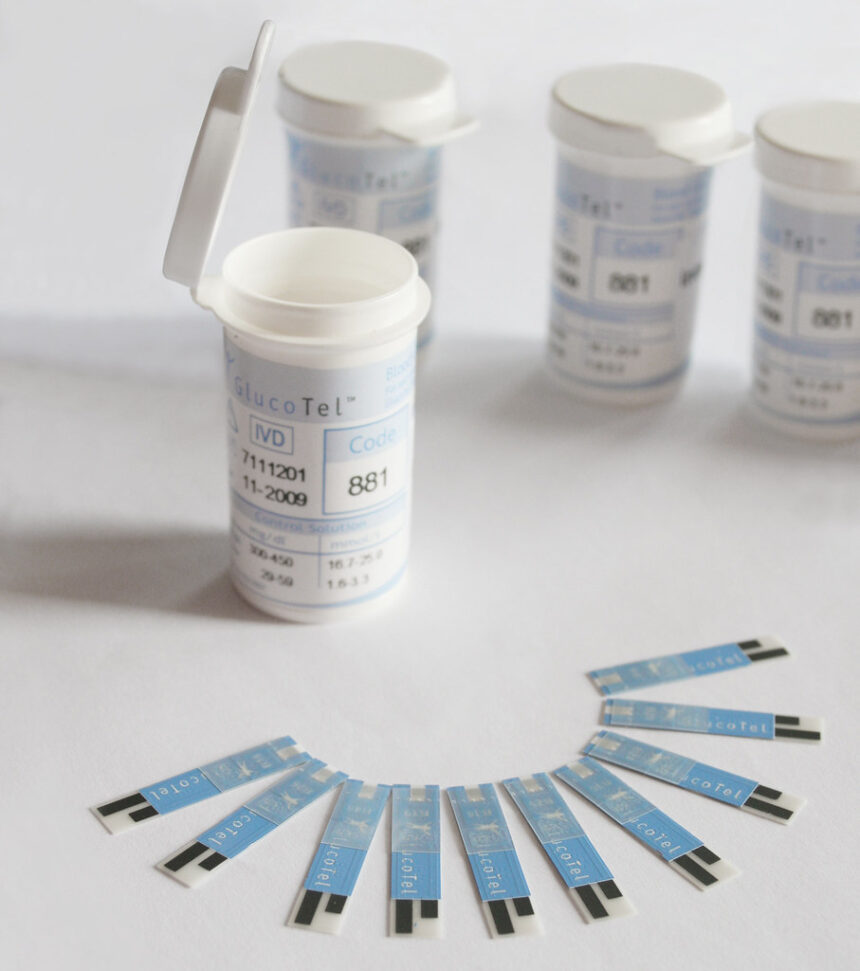
Medical conference hall with researchers discussing diabetes funding policyIllustrative image · "Diabetes Testing Strips" by bodytel is licensed under CC BY-ND 2.0. To view a copy of this license, visit https://creativecommons.org/licenses/by-nd/2.0/. (CC BY-ND 2.0)
Five diabetes researchers were expelled from the ADA annual meeting for distributing editorial copies criticizing NIH funding cuts. The incident has sparked widespread condemnation from medical organizations over academic freedom concerns. — "Diabetes Testing Strips" by bodytel is licensed under CC BY-ND 2.0. To view a copy of this license, visit https://creativecommons.org/licenses/by-nd/2.0/. (CC BY-ND 2.0)
SHARE
3 min read|675 words
✓ Reviewed by Prof. Giorgi Pkhakadze, MD, MPH, PhD · ORCID 0000-0001-7609-4515

Five prominent diabetes researchers were escorted from the American Diabetes Association’s annual meeting after distributing copies of an editorial criticizing federal research funding cuts. The incident has triggered widespread condemnation from the scientific community and raised questions about academic freedom at professional conferences.

Contents
    • Key takeaways
      • Professional Response to ADA Expulsions
  • Researchers Removed for Editorial Distribution
  • Scientific Community Responds with Condemnation
  • Implications for Academic Freedom in Medicine
    • What this means
  • Frequently asked questions
    • Why were the researchers expelled from the meeting?
    • How has the scientific community responded?
    • What does this mean for future medical conferences?

Key takeaways

  • Five diabetes experts were expelled from the ADA annual meeting for distributing editorial copies
  • The protest focused on federal research funding cuts affecting diabetes studies
  • Multiple professional organizations have condemned the ADA’s response to the peaceful demonstration
5
diabetes researchers expelled from ADA meeting

Professional Response to ADA Expulsions

Organizations condemning the removal of diabetes researchers

Endocrine Society
Condemned
American Medical Association
Condemned
Academic Medical Centers
Multiple

Source: STAT News, 2026 | Georgian Medical Journal News

Researchers Removed for Editorial Distribution

The five researchers were removed from the meeting after quietly distributing copies of a peer-reviewed editorial that criticized recent cuts to National Institutes of Health diabetes research funding. According to witnesses at the conference, the researchers were approached by security personnel and escorted from the venue.

Submit Your Paper
GMJ_Submit_Banner

The editorial, published in a major medical journal, argued that federal funding reductions could significantly impact diabetes research progress and patient outcomes. The researchers’ action was described as a peaceful protest aimed at drawing attention to what they viewed as critical threats to scientific advancement in diabetes care.

Scientific Community Responds with Condemnation

The incident has prompted strong reactions from multiple professional organizations. The Endocrine Society issued a statement condemning the expulsions as an attack on academic freedom and scientific discourse.

Several academic medical centers have also expressed concern about the precedent set by removing researchers for peaceful expression of scientific viewpoints. The controversy highlights growing tensions between professional medical associations and researchers advocating for increased federal research funding. For more insights on health policy developments, our coverage examines how funding decisions impact medical research.

The removal of five diabetes researchers from the ADA meeting represents an unprecedented response to peaceful scientific advocacy within the professional medical community.

— Multiple witnesses, American Diabetes Association Annual Meeting (STAT News, 2026)

Implications for Academic Freedom in Medicine

The ADA’s decision to expel the researchers has raised broader questions about the boundaries of acceptable discourse at professional medical conferences. Critics argue that removing scientists for distributing peer-reviewed editorial content sets a concerning precedent for academic freedom in medical settings.

Professional medical associations typically encourage open scientific debate and discussion of policy issues affecting healthcare. The incident suggests potential conflicts between organizational positions and individual researchers’ advocacy efforts. The Centers for Disease Control and Prevention continues to emphasize the importance of diabetes research funding for public health outcomes.

What this means

For patients: Research funding cuts could delay development of new diabetes treatments and management strategies
For clinicians: Professional associations’ responses to advocacy may influence how doctors engage in policy discussions
For policymakers: The controversy highlights the medical community’s concerns about federal research funding levels

Frequently asked questions

Why were the researchers expelled from the meeting?

According to reports, the five diabetes experts were removed for distributing copies of a peer-reviewed editorial criticizing federal research funding cuts. The ADA characterized this as disruptive behavior warranting removal.

How has the scientific community responded?

Multiple professional organizations, including the Endocrine Society and several academic medical centers, have condemned the expulsions as violations of academic freedom and scientific discourse principles.

What does this mean for future medical conferences?

The incident may influence how professional associations handle policy advocacy and protest at scientific meetings. It raises questions about the balance between organizational control and academic freedom at medical conferences.

The controversy surrounding the ADA meeting expulsions reflects deeper tensions within the medical research community about funding advocacy and professional association governance. As federal research budgets face continued scrutiny, the incident may prompt broader discussions about how medical organizations balance institutional positions with individual researchers’ advocacy rights. The outcome of this controversy could influence future policies governing academic expression at professional medical conferences and shape the relationship between medical associations and their research-focused members.

Source: Diabetes Association in uproar after members expelled from annual meeting over protest of NIH cuts

Was this article helpful?

Disclaimer. This article is health journalism intended for general information and education. It is not medical advice and is not a substitute for professional diagnosis or treatment. Always consult a qualified healthcare provider about your individual circumstances. Full disclaimer →

Related Coverage

Drug Shortages Decline 23% in US, But Systemic Problems PersistJun 24, 2026
When Colleagues Make Derogatory Comments About Patients: A Clinical Response GuideJun 24, 2026
WHO and BBC Launch Global Series on Animal-Human Health ConnectionsJun 24, 2026
Middle powers must unite on health data and AI to challenge tech dominanceJun 24, 2026
PG
Written by
Prof. Giorgi Pkhakadze, MD, MPH, PhD
Editor-in-Chief, GMJ News
Full profile →  ·  ORCID 0000-0001-7609-4515
Medical disclaimer. This article is health journalism intended for general information. It is not medical advice and is not a substitute for consultation with a qualified healthcare professional. Always seek your physician's advice regarding any medical condition.
Medically reviewed by Prof. Giorgi Pkhakadze, MD, MPH, PhD. Spotted an error? Contact the editorial team.
Get the GMJ News digest
Evidence-based health journalism in your inbox. No spam; unsubscribe anytime.
TAGGED:academic freedomADA meetingdiabetes researchmedical conferencesNIH funding
Share This Article
Facebook LinkedIn Bluesky Copy Link Print
GMJ
ByGMJ Policy Desk
Follow:
GMJ Policy Desk is part of GMJ News, the newsroom of the Georgian Medical Journal (gmj.ge), published by the Public Health Institute of Georgia. Every article is editorially reviewed before publication.
Leave a Comment Leave a Comment

Leave a Reply Cancel reply

Your email address will not be published. Required fields are marked *

Submit Your Paper →

Georgia's peer-reviewed open-access medical journal. No APC until January 2027.
Submit Manuscript →
Drug Shortages Decline 23% in US, But Systemic Problems Persist

US prescription drug shortages fell 23% in 2025, but average shortage duration…

Machine Learning Model Predicts Child Pneumonia Hospitalisation Risk in Malawi Primary Care

New machine learning model achieves 87% accuracy in predicting which children with…

E-cigarette Use After Quitting Smoking Linked to Higher Lung Cancer Risk

Major Korean study of 4.5 million adults reveals higher lung cancer risk…

Submit Your Paper to GMJ

No APC until January 2027.
Submit Manuscript →

You Might Also Like

Medical professional reviewing medication dosing guidelines and genetic testing resultsBi-lingual Clinical Trial Consultation (45067326622).jpg by NIAID / CC BY 2.0 via Wikimedia Commons (CC BY 2.0)
Clinical UpdatesExplainersHealth PolicyPerspectivesPolicy & SystemsPractice

Medical Dosing Based on Race Lacks Scientific Evidence and May Harm Patients, NEJM Analysis Warns

By
GMJ Practice Desk
13/06/2026
Children receiving nutrition assistance at a Yemen healthcare facility
Global HealthPolicy & Systems

Yemen Food Crisis: 11.2 Million Face Acute Hunger as International Aid Funding Cuts Continue

By
GMJ Policy Desk
11/06/2026
Military medical personnel in uniform representing healthcare recruitment challenges
Health PolicyPolicy & Systems

US Military Medical Corps Faces Critical Physician Shortage, Former Congressional Doctor Warns

By
GMJ Policy Desk
01/06/2026
Amish community healthcare practices and public health policy considerations
Health PolicyPolicy & Systems

Amish Health Practices Challenge Modern Public Health Assumptions, Expert Analysis Shows

By
GMJ Policy Desk
07/06/2026
Facebook Twitter Youtube Instagram
Company
  • Privacy Policy
  • Contact US
  • GMJ Journal
  • Submit Manuscript
  • Editorial Team
  • Register at GMJ
  • Terms of Use

Subscribe to GMJ News — Click here

Join Community
© 2026 Georgian Medical Journal (GMJ). Published by the Public Health Institute of Georgia (PHIG). All rights reserved.
Welcome Back!

Sign in to your account

Username or Email Address
Password

Lost your password?

Not a member? Sign Up