Updated 14/09/2026
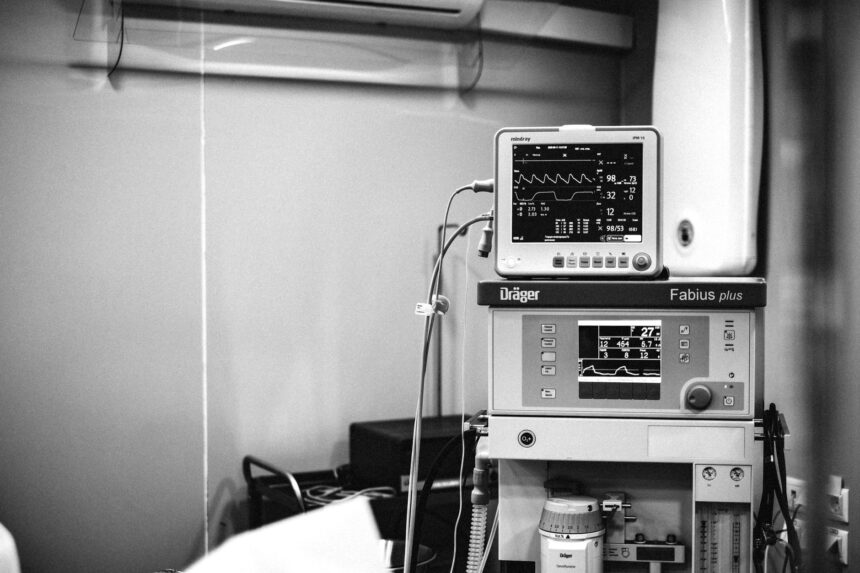
Draeger, Inc., a manufacturer of anaesthetic equipment, has issued a correction for its Atlan A350 and A350XL anesthesia workstations following discovery of a manufacturing defect that poses a ventilator failure risk during clinical use, according to a notice published by the U.S. Food and Drug Administration (FDA). The defect may cause the ventilator to fail before or during patient ventilation, creating a critical safety concern in operating theatres.
Key takeaways
- Draeger has identified a manufacturing error affecting Atlan A350 and A350XL workstations that may cause ventilator failure during use
- The FDA correction notice requires corrective action to ensure patient safety in perioperative settings
- Healthcare facilities using these workstations should verify their equipment status and follow manufacturer guidance
Anesthesia Equipment Safety: Key Risk Categories
Classification of ventilator failure risks in perioperative anesthesia delivery systems
Source: FDA Medical Device Safety Classifications | Georgian Medical Journal News

Manufacturing Defect Identified in Atlan Workstation Line
According to the FDA correction issued to Draeger, Inc., the identified manufacturing error affects the Atlan A350 and Atlan A350XL anesthesia workstations. The defect has been traced to production processes and may result in ventilator malfunction that could occur either before initial use or during active patient ventilation.
This correction follows the FDA’s rigorous medical device oversight framework, which monitors equipment safety across U.S. healthcare facilities. Healthcare institutions that operate these specific workstation models are advised to contact Draeger directly for correction protocols and to verify the status of their installed equipment.
Clinical Implications and Perioperative Safety
Ventilator failure during anesthesia delivery represents a critical patient safety hazard, as reliable respiratory support is fundamental to safe general anesthesia. Intra-operative ventilator failure can compromise airway management and patient oxygenation, requiring immediate clinical intervention. The FDA’s correction mechanism allows manufacturers to address such defects while ensuring clinical staff are informed of potential equipment limitations.
Operating room teams using Atlan A350 or A350XL workstations should incorporate enhanced pre-operative equipment checks into their safety protocols. Many anesthesia departments already conduct systematic pre-use equipment verification as standard practice, consistent with guidelines from professional bodies such as the American Society of Anesthesiologists (ASA). Awareness of this specific defect allows clinicians to prioritize verification steps relevant to ventilator function.
Draeger’s Atlan A350 and A350XL workstations are subject to a manufacturing defect that may cause ventilator failure before or during clinical use, necessitating corrective action.
— U.S. Food and Drug Administration, Medical Device Correction Notice
Manufacturer Response and Quality Assurance
Draeger, a leading manufacturer of anesthesia and respiratory equipment, has initiated a correction process through the FDA framework. The company works directly with hospitals and surgical centers to implement corrective measures and provide technical guidance. For healthcare facilities in the quality and safety category, understanding manufacturer recalls and corrections is essential to maintaining accreditation standards and patient protection protocols.
Device corrections issued by the FDA represent a critical feedback loop in the post-market surveillance system. When defects are identified, manufacturers are required to notify users and provide remediation strategies. Healthcare facilities should review their own internal processes for tracking such notifications and ensuring timely implementation of safety measures.
What this means
Frequently asked questions
What should hospitals do if they operate Atlan A350 or A350XL workstations?
According to the FDA correction notice, facilities should contact Draeger directly for specific corrective actions, verify their equipment status, and ensure all operating room staff are informed of the defect and relevant safety measures. Standard pre-operative equipment checks should be reinforced until the correction is complete.
Is this a recall or a correction?
The FDA classifies this as a correction, which means the manufacturer is providing remediation guidance while the equipment remains in clinical use. Corrections differ from formal recalls, though both require manufacturer action and user notification. Healthcare facilities should treat this with the same priority as a safety alert and follow all manufacturer and FDA guidance.
How does the FDA’s device safety system protect patients?
The FDA’s medical device oversight program includes pre-market review, post-market surveillance, and rapid response mechanisms for safety issues. When manufacturers become aware of defects, they must notify the FDA and affected users. This system allows detection of equipment problems before widespread harm occurs and enables timely corrective action across healthcare settings.
Medical device safety relies on transparent communication between manufacturers, regulators, and healthcare providers. The Draeger correction underscores the importance of robust equipment maintenance protocols and staff awareness in perioperative environments. Hospitals and surgical centers that have received equipment from this batch should act promptly to verify status and implement any corrective measures recommended by the manufacturer and regulatory agencies.
Source: Anesthesia Machine Correction: Draeger, Inc. Issues Correction for Atlan A350 and A350XL Anesthesia Workstations, U.S. Food and Drug Administration
🗺️ Find certified Georgian healthcare providers: sheniekimi.ge — Georgia Health Map · 998 clinics · 6,600+ doctors · 2,296 pharmacies
Was this article helpful?
Disclaimer. This article is health journalism intended for general information and education. It is not medical advice and is not a substitute for professional diagnosis or treatment. Always consult a qualified healthcare provider about your individual circumstances. Full disclaimer →
Related Coverage


Editorial standards. This article was produced under the GMJ News editorial process, with oversight by the GMJ Editorial Board. Our editorial process. Spotted an error? Contact the editorial team.