Updated 14/09/2026
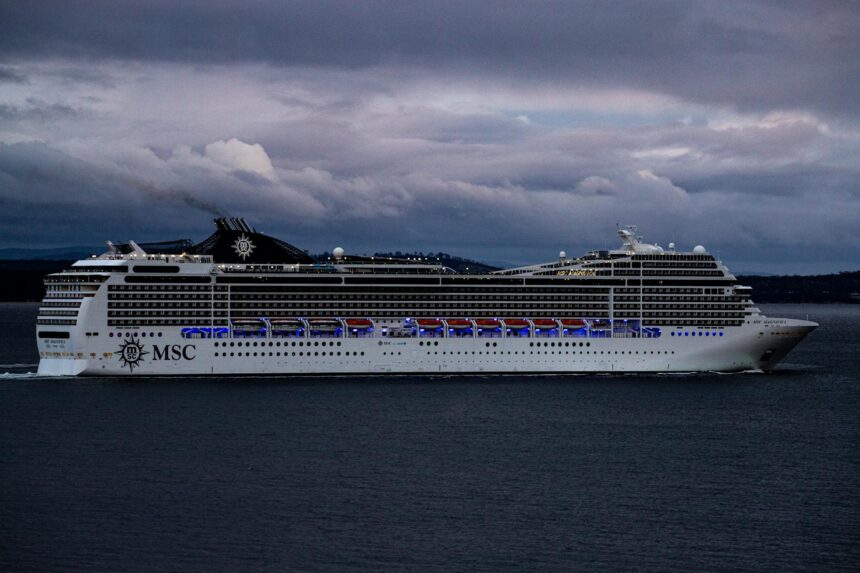
A cluster of Andes hantavirus infections aboard an Antarctic cruise ship has highlighted the potential for rare zoonotic diseases to spread in confined travel environments. The New England Journal of Medicine reports 15 confirmed cases among passengers and crew during a 2026 expedition cruise, marking the first documented outbreak of this South American pathogen outside its endemic regions.
Unprecedented Transmission Pattern
According to the NEJM report, this represents the first documented person-to-person transmission of Andes hantavirus in a maritime setting. The outbreak occurred during a 14-day Antarctic expedition.
Genomic sequencing confirmed the viral strain matched those circulating in southern Chile and Argentina, according to the study. For more context on global health implications of emerging infectious diseases, health authorities are closely monitoring similar patterns worldwide.

Clinical Presentation and Outcomes
The NEJM study documented a case fatality rate of 20%, with three deaths among the 15 confirmed cases. The report noted that symptoms included fever, myalgia, and rapidly progressing respiratory distress.
Most cases developed symptoms between days 7-12 of the cruise, consistent with the virus’s typical incubation period, according to the published findings. The ship’s medical team implemented immediate isolation protocols once the first cases were identified. Recent advances in clinical management of hantavirus infections have improved outcomes in healthcare settings.
Public Health Response
The NEJM report describes how health authorities conducted extensive contact tracing among all passengers and crew. The World Health Organization issued updated guidance for cruise operators traveling through hantavirus-endemic regions.
Enhanced screening protocols now require pre-boarding health assessments for passengers with recent travel to South America, according to the study. The outbreak prompted reviews of ventilation systems and cabin spacing on expedition vessels operating in remote regions.
This outbreak demonstrates that Andes hantavirus can achieve sustained human-to-human transmission in confined environments, with genomic evidence supporting at least three transmission generations aboard the vessel.
— New England Journal of Medicine study, 2026
Key takeaways
- 15 passengers and crew infected with Andes hantavirus during Antarctic cruise (NEJM, 2026)
- 20% case fatality rate with 3 deaths among confirmed cases (NEJM, 2026)
- First documented person-to-person transmission in maritime setting (NEJM, 2026)
- Enhanced screening protocols implemented for South America travelers
Frequently asked questions
What is Andes hantavirus and how does it spread?
Andes hantavirus is a rodent-borne virus endemic to South America that typically spreads through inhalation of contaminated rodent droppings. Unlike other hantaviruses, the Andes strain can transmit between humans through respiratory droplets.
How dangerous is Andes hantavirus infection?
The virus causes hantavirus pulmonary syndrome. Early symptoms include fever and muscle aches, progressing rapidly to severe respiratory distress.
What precautions should cruise passengers take?
Passengers should report any recent travel to South America during pre-boarding screening. Those with fever or respiratory symptoms should delay travel and seek medical evaluation before boarding.
This outbreak underscores the need for enhanced surveillance systems aboard cruise vessels, particularly those operating in regions where emerging infectious diseases circulate. As expedition cruising expands into remote areas, public health preparedness must evolve to address the unique challenges of managing outbreaks in isolated maritime environments where medical evacuation options are limited.
Source: Andes Hantavirus Outbreak on a Cruise Ship, 2026
🗺️ Find certified Georgian healthcare providers: sheniekimi.ge — Georgia Health Map · 998 clinics · 6,600+ doctors · 2,296 pharmacies
Was this article helpful?
Disclaimer. This article is health journalism intended for general information and education. It is not medical advice and is not a substitute for professional diagnosis or treatment. Always consult a qualified healthcare provider about your individual circumstances. Full disclaimer →
Related Coverage




Editorial standards. This article was produced under the GMJ News editorial process, with oversight by the GMJ Editorial Board. Our editorial process. Spotted an error? Contact the editorial team.