Immigration restrictions in the United States are creating measurable barriers to prenatal care and parenting decisions among undocumented women, reshaping family health outcomes across vulnerable communities. Healthcare access limitations rooted in immigration policy are forcing difficult choices at critical moments in pregnancy and early childhood, with implications extending beyond individual health to population-level maternal and child welfare.
- Immigration policy as a health determinant
- Maternal and child health consequences
- Systemic implications for public health infrastructure
- Frequently asked questions
- How do immigration policies affect access to prenatal care?
- What are the documented health consequences of delayed prenatal care?
- How do these barriers affect children born to undocumented mothers?
- Forward-looking considerations for health systems
Key takeaways
- US immigration policy directly limits access to prenatal care for undocumented women, influencing family planning decisions
- Healthcare restrictions create barriers during pregnancy and early parenting, with documented effects on maternal and child outcomes
- Policy-driven healthcare gaps affect not only individual families but broader public health infrastructure and community health equity
Policy barriers to maternal healthcare access
Documented constraints on undocumented women’s healthcare decisions during pregnancy and early parenthood
Source: Health policy analysis of immigration-healthcare intersections | Georgian Medical Journal News
Immigration policy as a health determinant
Immigration restrictions function as a social determinant of health, directly influencing whether women access evidence-based prenatal screening, nutrition counselling, and delivery planning. Research on health equity demonstrates that policy-level barriers operate alongside individual, clinical, and systemic factors to shape maternal health outcomes, according to frameworks documented in peer-reviewed public health literature.

Undocumented women face compounded constraints: fear of deportation, ineligibility for public insurance programs, and limited access to integrated prenatal services create a system that systematically defers or eliminates care seeking during pregnancy. These barriers emerge not from clinical inadequacy but from policy design that explicitly conditions healthcare access on immigration status.
Maternal and child health consequences
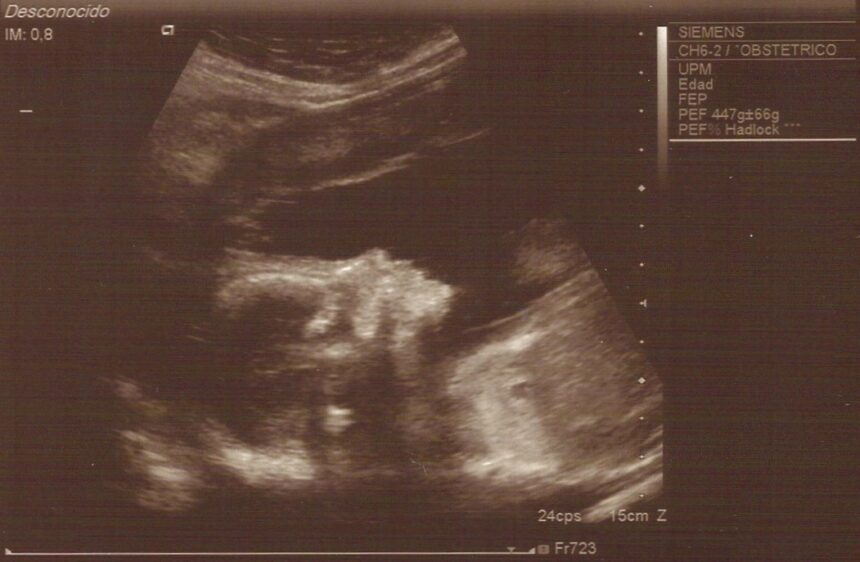
The health consequences of delayed or absent prenatal care are well-documented in obstetric literature. Prenatal screening detects conditions—gestational diabetes, preeclampsia, fetal anomalies—that require early intervention to prevent maternal complications and adverse birth outcomes. When women defer or forgo care due to policy-driven fear, these conditions go undetected until labour or postpartum complications arise, increasing morbidity and mortality risk.
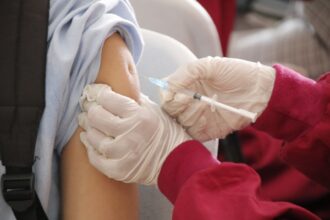
Postpartum, restrictions on healthcare access extend to children, limiting their access to routine immunisations, developmental screening, and early intervention services. The public health implications include reduced population immunity levels and delayed detection of developmental delays, with effects measurable at the community level.
Immigration policy restrictions directly reshape prenatal care decisions and family health outcomes, operating as a documented public health determinant that affects maternal mortality, child health, and population-level vaccination coverage.
— Health equity and immigration policy researchers
Systemic implications for public health infrastructure
Healthcare systems designed to serve undocumented populations must account for policy-driven barriers that operate upstream of clinical decisions. Emergency departments, for example, absorb the burden of delayed prenatal complications and labour-related emergencies, while preventive infrastructure remains underutilised.
Public health agencies tracking maternal mortality and child health indicators now document that immigration status functions as a reportable risk factor. This shift reflects the reality that policy-level barriers have become epidemiologically measurable determinants of health outcomes, comparable to other established social risk factors documented in health policy and epidemiological research.
What this means
Frequently asked questions
How do immigration policies affect access to prenatal care?
Immigration restrictions limit healthcare access through ineligibility for public insurance, fear of deportation during healthcare encounters, and reduced availability of culturally competent, immigration-aware care. These policy-level barriers force women to delay or forgo prenatal screening, nutrition counselling, and delivery planning during pregnancy—decisions with documented effects on maternal and fetal outcomes.
What are the documented health consequences of delayed prenatal care?
Delayed prenatal care reduces detection of gestational diabetes, preeclampsia, and fetal anomalies, increasing risks of maternal complications, preterm labour, and adverse birth outcomes. These consequences are well-established in obstetric literature and represent preventable harms directly attributable to care delays driven by policy barriers rather than clinical factors.
How do these barriers affect children born to undocumented mothers?
Children face reduced access to routine immunisations, developmental screening, and early intervention services when their mothers’ immigration status limits family healthcare engagement. This creates population-level effects on vaccination coverage, delayed detection of developmental delays, and reduced preventive care utilisation in vulnerable communities.
Forward-looking considerations for health systems
Health systems and public health agencies increasingly recognise immigration policy as a social determinant of health requiring measurement and response. Documenting the epidemiological impact of policy-driven healthcare barriers—through maternal mortality review, immunisation coverage analysis, and developmental health surveillance—creates evidence that can inform policy redesign and clinical adaptation. The path forward requires integrated approaches that acknowledge policy as a health determinant while building healthcare infrastructure resilient to policy-level barriers.
Source: US immigration policies interfere with prenatal care and parenting choices, hurting people and communities — The Conversation
Was this article helpful?
Disclaimer. This article is health journalism intended for general information and education. It is not medical advice and is not a substitute for professional diagnosis or treatment. Always consult a qualified healthcare provider about your individual circumstances. Full disclaimer →
Related Coverage



Medically reviewed by Prof. Giorgi Pkhakadze, MD, MPH, PhD. Spotted an error? Contact the editorial team.