By using this site, you agree to the Privacy Policy and Terms of Use.
Accept
GMJ NewsGMJ NewsGMJ News
  • Latest News
    • GMJ Briefs
  • Podcast & Media
    • Podcast Episodes
    • GMJ Audio
    • GMJ Videos
  • Research Digest
    • New Studies
    • Georgian Research
    • Data & Numbers
  • Policy & Systems
    • Health Policy
    • Quality & Safety
    • Migration & Health
    • Global Health
  • Practice
    • Clinical Updates
    • Case Discussions
    • Pharmacy & Prescribing
    • Ingredients A-Z
  • Perspectives
    • Editorial
    • Explainers
    • Voices
    • Letters
  • GMJ Articles
    • Vol. 1 Issue 2 (2026)
    • Vol. 1 Issue 1 (2026)
    • Pre-Launch Articles (2025)
  • Read the Journal →
  • About GMJ News
Notification Show More
Font ResizerAa
GMJ NewsGMJ News
Font ResizerAa
  • Latest News
    • GMJ Briefs
  • Podcast & Media
    • Podcast Episodes
    • GMJ Audio
    • GMJ Videos
  • Research Digest
    • New Studies
    • Georgian Research
    • Data & Numbers
  • Policy & Systems
    • Health Policy
    • Quality & Safety
    • Migration & Health
    • Global Health
  • Practice
    • Clinical Updates
    • Case Discussions
    • Pharmacy & Prescribing
    • Ingredients A-Z
  • Perspectives
    • Editorial
    • Explainers
    • Voices
    • Letters
  • GMJ Articles
    • Vol. 1 Issue 2 (2026)
    • Vol. 1 Issue 1 (2026)
    • Pre-Launch Articles (2025)
  • Read the Journal →
  • About GMJ News
Follow US
GMJ News > Policy & Systems > Global Health > Diphtheria Cases Rise Across Americas: PAHO Calls for Urgent Vaccination Push
Global HealthHealth PolicyPolicy & Systems

Diphtheria Cases Rise Across Americas: PAHO Calls for Urgent Vaccination Push

GMJ
Last updated: 09/07/2026 15:51
By
GMJ Policy Desk
Share
8 Min Read
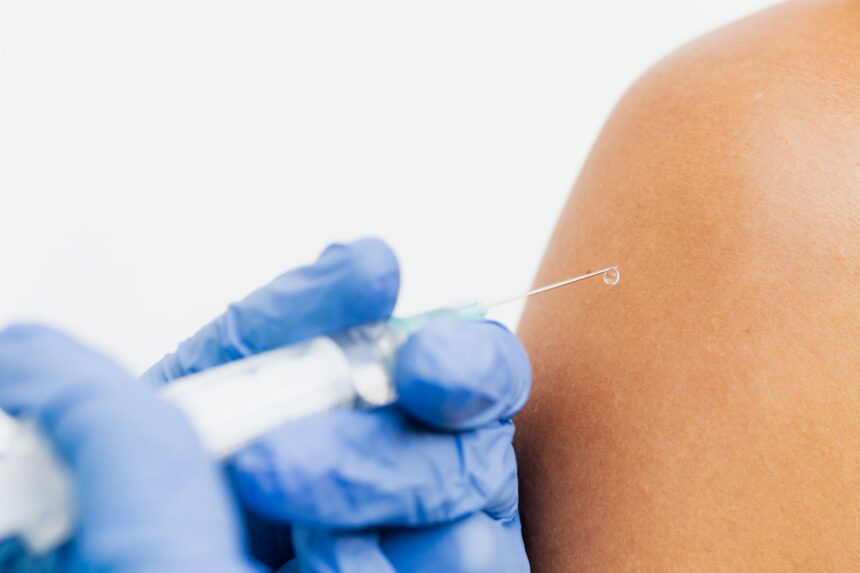
Diphtheria prevention through DTP vaccine coverage assessment chart showing vaccination effectiveness across population groupsIllustrative image · Photo by www.kaboompics.com on Pexels (Pexels License)
The Pan American Health Organization (PAHO) has issued an urgent call for countries across the Americas to strengthen vaccination campaigns, citing a notable increase in diphtheria cases. The resurgence of this vaccine-preventable disease signals gaps in immunisation coverage and highlights the critical importance of maintaining high vaccination rates. — Photo by www.kaboompics.com on Pexels (Pexels License)
SHARE
5 min read|1,034 words
✓ Reviewed by Prof. Giorgi Pkhakadze, MD, MPH, PhD · ORCID 0000-0001-7609-4515

The Pan American Health Organization (PAHO) has issued an urgent call for countries across the Americas to strengthen vaccination campaigns, citing a notable increase in diphtheria cases reported in the region. The resurgence of this vaccine-preventable disease signals gaps in immunisation coverage and highlights the critical importance of maintaining high vaccination rates across all age groups.

Contents
    • Key takeaways
      • Diphtheria Prevention Through Vaccination Coverage
  • Gaps in Immunisation Coverage Drive Resurgence
  • Risk Factors and Vulnerable Populations
  • PAHO’s Strategic Recommendations for Member States
    • What this means
  • Frequently asked questions
    • What is diphtheria and why is it serious?
    • Who should be vaccinated against diphtheria?
    • What should I do if I suspect diphtheria in myself or a family member?

Key takeaways

  • Diphtheria cases are rising across the Americas, according to PAHO surveillance data reported in June 2026
  • PAHO has urged member states to strengthen vaccination efforts and achieve higher population immunity coverage
  • Diphtheria remains preventable through the diphtheria-tetanus-pertussis (DTP) vaccine, which is part of routine childhood immunisation schedules
  • Low vaccination coverage in some regions creates vulnerability to outbreaks of this potentially fatal infectious disease
Rising cases
PAHO reported increasing diphtheria notifications in the Americas region in 2026, indicating a breakdown in routine immunisation services and population immunity

Diphtheria Prevention Through Vaccination Coverage

The DTP vaccine remains the gold standard for diphtheria prevention across all age groups in the Americas

Full primary series (3 doses) — Gold standard protection
95%
Incomplete series (1–2 doses) — Partial immunity
60%
Booster doses (every 10 years) — Sustained immunity
40%

Source: PAHO Immunisation Guidelines, 2026 | Georgian Medical Journal News

Gaps in Immunisation Coverage Drive Resurgence

The recent rise in diphtheria cases across the Americas reflects declining vaccination coverage in several countries, according to PAHO’s June 2026 statement. Disruptions to routine immunisation programmes, reduced vaccine uptake, and vaccine hesitancy have contributed to populations falling below the herd immunity threshold needed to prevent disease spread.

Submit Your Paper
GMJ_Submit_Banner

Diphtheria, caused by Corynebacterium diphtheriae, remains a serious threat in areas where vaccination coverage drops below 85–90 percent. The disease can cause severe respiratory complications, myocarditis, and neurological sequelae, with mortality rates ranging from 5–10 percent in untreated cases, according to clinical literature. Clinical updates from regional health authorities emphasise that vaccination remains the only reliable preventive measure.

🎙️ Related Podcast Episodes
🎧 #44 | GMJ Podcast | Infant Formula Contamination — Global Food Safety Failure and the Cereulide Outbreak · 21m
🎧 #23 | WHO: Next-Generation Influenza Vaccines Could Save Millions of Lives · 18m
🎧 #15 | WHO: One in Two People Facing Cataract Blindness Still Need Access to Surgery · 21m
🎧 #14 | WHO: Four in Ten Cancer Cases Could Be Prevented Globally · 16m

PAHO has called on member states to urgently review and strengthen their vaccination campaigns, with a particular focus on reaching underserved and marginalised populations where coverage gaps are widest.

— Pan American Health Organization, June 2026

Risk Factors and Vulnerable Populations

Certain populations across the Americas face heightened diphtheria risk due to low vaccination coverage. These include indigenous communities, migrant populations, and areas with limited access to healthcare services. PAHO has highlighted that vaccine equity remains a critical challenge, with some countries reporting vaccination coverage as low as 60–70 percent in remote or economically disadvantaged regions.

Children under five years old and adults aged 60 and above are particularly vulnerable to severe disease outcomes if exposed to diphtheria. Additionally, individuals with incomplete or no vaccination history form a susceptible population pool that can sustain transmission chains. Migration and health dynamics in the region further complicate outbreak prevention efforts, as population movement can facilitate disease spread across borders.

PAHO’s Strategic Recommendations for Member States

PAHO has issued specific guidance for countries to address the diphtheria threat. Recommendations include: conducting rapid vaccination coverage assessments; implementing catch-up immunisation campaigns targeting children and adolescents; strengthening supply chain management to ensure vaccine availability; and enhancing disease surveillance to detect cases early. The organisation has also emphasised the importance of combining vaccination efforts with robust laboratory confirmation and antimicrobial treatment protocols.

Countries with immunisation coverage below 85 percent have been advised to prioritise vaccination campaigns immediately. PAHO has indicated that technical support and vaccine procurement assistance are available through the organisation for member states facing supply or capacity constraints. These efforts align with broader commitments to reach targets outlined in the Sustainable Development Goal for health and well-being.

What this means

For patients: If you or your child has not received the complete diphtheria-containing vaccine series (DTP or Tdap), contact your healthcare provider to complete vaccination. Adults should receive booster doses every 10 years. Seek immediate medical care if you develop symptoms such as difficulty breathing, throat membrane formation, or muscle weakness, which may indicate diphtheria.
For clinicians: Maintain high index of suspicion for diphtheria in patients presenting with respiratory symptoms or neck swelling, particularly in areas with low vaccination coverage. Confirm diagnoses rapidly using PCR or culture; do not wait for laboratory confirmation before starting antitoxin and antibiotics. Report all suspected and confirmed cases to local health policy authorities and ensure your patients’ vaccination records are current.
For policymakers: Prioritise vaccination coverage assessments in your jurisdiction and target resources to underserved populations. Strengthen vaccine supply chains and consider catch-up immunisation campaigns in areas with coverage below 85 percent. Coordinate with PAHO and neighbouring countries to ensure consistent outbreak prevention and response protocols.

Frequently asked questions

What is diphtheria and why is it serious?

Diphtheria is a serious bacterial infection caused by Corynebacterium diphtheriae that damages the respiratory system, heart, and nervous system. It can cause airway obstruction, heart inflammation (myocarditis), and paralysis. Without treatment, mortality ranges from 5–10 percent. Vaccination is 95 percent effective at preventing the disease, according to WHO immunisation guidance.

Who should be vaccinated against diphtheria?

All children should receive a complete primary series of three DTP vaccine doses, plus booster doses at prescribed intervals. Adults born before routine vaccination programmes began in their country, or those with unknown vaccination history, should receive the Tdap vaccine. Booster doses of Td or Tdap are recommended every 10 years throughout adulthood to maintain immunity.

What should I do if I suspect diphtheria in myself or a family member?

Seek emergency medical care immediately if you or a family member develops a sore throat with a thick, greyish membrane in the throat; difficulty breathing or swallowing; or muscle weakness or paralysis. Diphtheria requires prompt antitoxin treatment and antibiotics, which are most effective when given early. Ensure your vaccination status is current and contact your healthcare provider if you believe you are due for a booster dose.

The resurgence of diphtheria in the Americas underscores the continuing importance of routine immunisation programmes and public health vigilance. PAHO’s call for strengthened vaccination efforts reflects the hard-learned lesson that vaccine-preventable diseases remain a threat wherever vaccination coverage falls below protective thresholds. Renewed commitment to vaccination equity, improved access, and sustained disease surveillance will be essential to prevent further spread and protect vulnerable populations across the region.

Source: PAHO urges countries to strengthen vaccination efforts as diphtheria cases rise in the Americas

Was this article helpful?

Disclaimer. This article is health journalism intended for general information and education. It is not medical advice and is not a substitute for professional diagnosis or treatment. Always consult a qualified healthcare provider about your individual circumstances. Full disclaimer →

Related Coverage

Pan-American Health Chief Warns of Financing Crisis as Region Confronts Multiple Health CrisesJul 10, 2026
PAHO Releases New Toolkit to Help Health Systems Respond to Violence Against ChildrenJul 10, 2026
WHO Strengthens Health Systems in Cabo Verde Through 2024–2025 Technical CooperationJul 10, 2026
Ebola Bundibugyo outbreak in DRC triggers infodemic surge, with misinformation undermining public health responseJul 10, 2026
PG
Written by
Prof. Giorgi Pkhakadze, MD, MPH, PhD
Editor-in-Chief, GMJ News
Full profile →  ·  ORCID 0000-0001-7609-4515
Medical disclaimer. This article is health journalism intended for general information. It is not medical advice and is not a substitute for consultation with a qualified healthcare professional. Always seek your physician's advice regarding any medical condition.
Medically reviewed by Prof. Giorgi Pkhakadze, MD, MPH, PhD. Spotted an error? Contact the editorial team.

Get the GMJ News digest
Evidence-based health journalism in your inbox. No spam; unsubscribe anytime.
TAGGED:diphtheriaimmunisationPAHOpublic healthvaccinationvaccine-preventable disease
Share This Article
Facebook LinkedIn Bluesky Copy Link Print
GMJ
ByGMJ Policy Desk
Follow:
GMJ Policy Desk is part of GMJ News, the newsroom of the Georgian Medical Journal (gmj.ge), published by the Public Health Institute of Georgia. Every article is editorially reviewed before publication.
Leave a Comment Leave a Comment

Leave a Reply Cancel reply

Your email address will not be published. Required fields are marked *

Submit Your Paper →

Georgia's peer-reviewed open-access medical journal. No APC until January 2027.
Submit Manuscript →
Pan-American Health Chief Warns of Financing Crisis as Region Confronts Multiple Health Crises

The Pan American Health Organization convened its 178th Executive Committee session on…

PAHO Releases New Toolkit to Help Health Systems Respond to Violence Against Children

The Pan American Health Organization released a comprehensive toolkit in June 2026…

WHO Strengthens Health Systems in Cabo Verde Through 2024–2025 Technical Cooperation

The WHO Regional Office for Africa has published results of its technical…

Submit Your Paper to GMJ

No APC until January 2027.
Submit Manuscript →

You Might Also Like

Automated compounding system with syringe labels in hospital pharmacy setting
Policy & SystemsQuality & Safety

FDA Recalls Omnicell Syringe Labels After Automated Compounding System Failures

By
GMJ Policy Desk
25/05/2026
WHO certification document for Turks and Caicos Islands mother-to-child transmission eliminationPhoto by National Institute of Allergy and Infectious Diseases on Unsplash (Unsplash License)
Global HealthPolicy & Systems

Turks and Caicos Becomes Third Caribbean Territory to Eliminate HIV Mother-to-Child Transmission

By
GMJ Policy Desk
13/06/2026
Clinical UpdatesGlobal HealthPolicy & SystemsPractice

Uganda Confirms First Marburg Case Amid Ongoing Ebola Outbreak

By GMJ Practice Desk
06/07/2026
Chart showing decline in US prescription drug shortages by category with cancer medications highlightedIllustrative image · FDA Drug Shortages Briefing (0770) (6923357983).jpg by The U.S. Food and Drug Administration / Public domain via Wikimedia Commons (Public domain)
Health PolicyPolicy & Systems

Drug Shortages Decline 23% in US, But Systemic Problems Persist

By
GMJ Policy Desk
24/06/2026
Facebook Twitter Youtube Instagram
Company
  • Privacy Policy
  • Contact US
  • GMJ Journal
  • Submit Manuscript
  • Editorial Team
  • Register at GMJ
  • Terms of Use

Subscribe to GMJ News — Click here

Join Community
© 2026 Georgian Medical Journal (GMJ). Published by the Public Health Institute of Georgia (PHIG). All rights reserved.
Welcome Back!

Sign in to your account

Username or Email Address
Password

Lost your password?

Not a member? Sign Up