Updated 14/09/2026
🟠 Moderate Evidence
Prescription drug shortages in the United States decreased by 23% in 2025, representing the first significant decline in recent years, according to a new analysis from the American Society of Health-System Pharmacists (ASHP). Despite this improvement, the analysis reveals persistent systemic challenges affecting medicine availability and patient care.
Key takeaways
- Drug shortages fell 23% in 2025, the largest annual decrease in over a decade
- Cancer medications and generic injectable drugs remain most vulnerable to supply disruptions
- Average shortage duration increased to 18 months, indicating deeper supply chain problems
Study at a Glance
| Source | ASHP Drug Shortage Analysis |
| Study type | Surveillance analysis |
| Sample size | N = 323 shortage reports |
| Population | US prescription medications |
| Country | United States |
Drug Shortages by Category Show Cancer Drugs Most Affected
Percentage of total shortages by therapeutic category, 2025

Source: ASHP, 2026 | Georgian Medical Journal News
Cancer Drugs Face Persistent Supply Challenges
Oncology medications accounted for 28% of all drug shortages in 2025, making them the most frequently affected therapeutic category according to the ASHP analysis. The report found that 91 cancer drugs experienced supply disruptions throughout the year, affecting treatment protocols at hospitals nationwide.
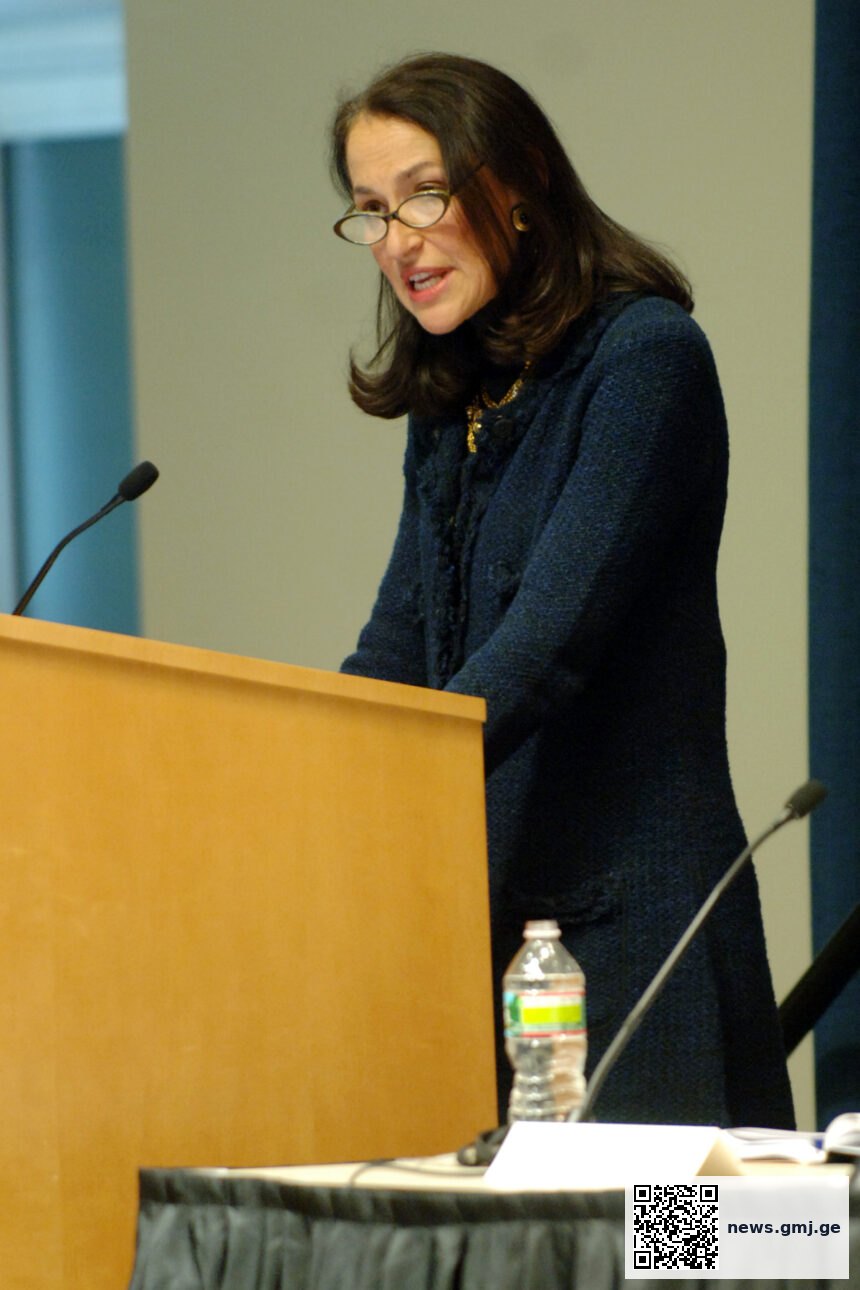
Dr. Michael Ganio, ASHP’s senior director of pharmacy practice and quality, noted that manufacturing quality issues and supply chain vulnerabilities continue to plague cancer drug production. The analysis showed that clinical updates often require rapid therapeutic substitutions when primary treatments become unavailable.
Generic Injectable Drugs Show Vulnerability
Generic injectable medications represented 78% of all reported shortages, highlighting the fragility of this critical market segment. According to the FDA Drug Shortage Database, manufacturing problems and facility shutdowns contributed to 45% of these disruptions.
The analysis revealed that sterile injectable products face unique manufacturing challenges due to complex production requirements and stringent quality controls. This has particularly impacted hospital pharmacies, which rely heavily on generic injectables for patient care. Further insights on pharmacy and prescribing practices show adaptation strategies implemented by healthcare systems.
Duration of Shortages Increases Despite Fewer Incidents
While the total number of shortages decreased, the average duration of supply disruptions increased to 18 months in 2025, compared to 14 months in 2024. This trend suggests that underlying manufacturing and supply chain problems have become more entrenched, according to researchers at the University of Utah Drug Information Service.
The extended shortage periods particularly affect chronic disease management, where patients require consistent access to specific formulations. The World Health Organization has identified similar patterns globally, where supply disruptions increasingly reflect systemic rather than temporary manufacturing issues.
Policy Responses and Future Outlook
The Biden administration’s drug shortage task force implemented several measures in 2025, including enhanced manufacturing incentives and supply chain diversification requirements. However, the ASHP analysis indicates these interventions have yet to address root causes of shortage vulnerability.
Industry experts suggest that sustainable solutions require fundamental changes to generic drug economics and manufacturing resilience. The analysis supports growing calls for health policy reforms that prioritize supply security alongside cost containment in pharmaceutical markets.
Despite a 23% reduction in total drug shortages, the increase in average shortage duration from 14 to 18 months indicates that systemic supply chain vulnerabilities persist and may be worsening
— Dr. Michael Ganio, ASHP Senior Director of Pharmacy Practice (ASHP Drug Shortage Report, 2026)
What this means
Frequently asked questions
Which medications are most likely to face shortages?
Cancer drugs and generic injectable medications are most vulnerable, representing 28% and 78% of shortages respectively. Sterile injectables face particular challenges due to complex manufacturing requirements.
How long do drug shortages typically last?
The average shortage duration increased to 18 months in 2025, up from 14 months in 2024. This trend indicates more persistent underlying supply chain problems.
What should patients do during a drug shortage?
Work with healthcare providers to identify therapeutic alternatives and avoid rationing prescribed medications. Many shortages can be managed with equivalent formulations or delivery methods.
The decline in drug shortage numbers represents progress, but the increasing duration of supply disruptions signals that fundamental vulnerabilities in pharmaceutical manufacturing and distribution remain unaddressed. Sustained policy attention and industry investment will be essential to build more resilient medicine supply chains capable of meeting patient needs consistently.
Source: STAT+: The shortage of many medicines in the U.S. remains a ‘systemic’ problem, a new analysis finds
🗺️ Find certified Georgian healthcare providers: sheniekimi.ge — Georgia Health Map · 998 clinics · 6,600+ doctors · 2,296 pharmacies
Was this article helpful?
Disclaimer. This article is health journalism intended for general information and education. It is not medical advice and is not a substitute for professional diagnosis or treatment. Always consult a qualified healthcare provider about your individual circumstances. Full disclaimer →
Related Coverage



Editorial standards. This article was produced under the GMJ News editorial process, with oversight by the GMJ Editorial Board. Our editorial process. Spotted an error? Contact the editorial team.