By using this site, you agree to the Privacy Policy and Terms of Use.
Accept
GMJ NewsGMJ NewsGMJ News
  • Latest News
    • GMJ Briefs
  • Podcast & Media
    • Podcast Episodes
    • GMJ Audio
    • GMJ Videos
  • Research Digest
    • New Studies
    • Georgian Research
    • Data & Numbers
  • Policy & Systems
    • Health Policy
    • Quality & Safety
    • Migration & Health
    • Global Health
  • Practice
    • Clinical Updates
    • Case Discussions
    • Pharmacy & Prescribing
    • Ingredients A-Z
  • Perspectives
    • Editorial
    • Explainers
    • Voices
    • Letters
  • GMJ Articles
    • Vol. 1 Issue 2 (2026)
    • Vol. 1 Issue 1 (2026)
    • Pre-Launch Articles (2025)
  • Read the Journal →
  • About GMJ News
Notification Show More
Font ResizerAa
GMJ NewsGMJ News
Font ResizerAa
  • Latest News
    • GMJ Briefs
  • Podcast & Media
    • Podcast Episodes
    • GMJ Audio
    • GMJ Videos
  • Research Digest
    • New Studies
    • Georgian Research
    • Data & Numbers
  • Policy & Systems
    • Health Policy
    • Quality & Safety
    • Migration & Health
    • Global Health
  • Practice
    • Clinical Updates
    • Case Discussions
    • Pharmacy & Prescribing
    • Ingredients A-Z
  • Perspectives
    • Editorial
    • Explainers
    • Voices
    • Letters
  • GMJ Articles
    • Vol. 1 Issue 2 (2026)
    • Vol. 1 Issue 1 (2026)
    • Pre-Launch Articles (2025)
  • Read the Journal →
  • About GMJ News
Follow US
GMJ News > Policy & Systems > Global Health > PAHO Releases New Toolkit to Help Health Systems Respond to Violence Against Children
Global HealthHealth PolicyPolicy & Systems

PAHO Releases New Toolkit to Help Health Systems Respond to Violence Against Children

GMJ
Last updated: 09/07/2026 15:51
By
GMJ Policy Desk
Share
7 Min Read
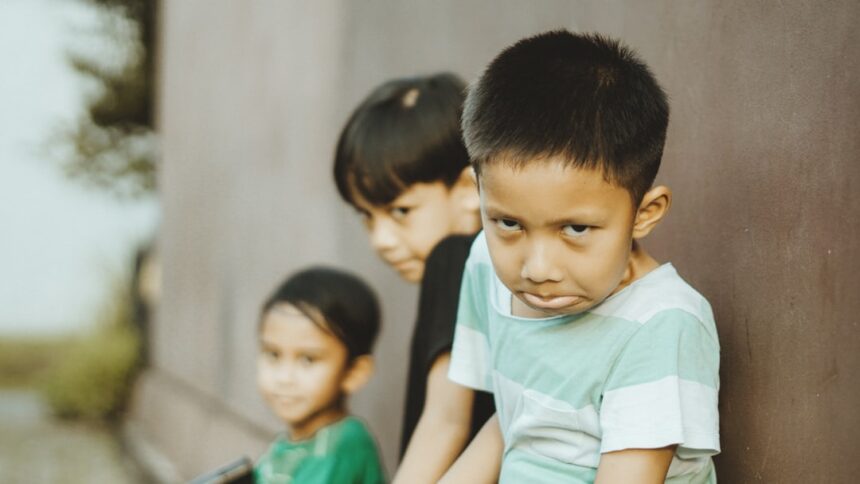
PAHO toolkit materials for healthcare providers addressing violence against children and adolescentsIllustrative image · Photo by setengah limasore on Unsplash (Unsplash License)
The Pan American Health Organization released a comprehensive toolkit in June 2026 to strengthen health systems' capacity to identify and respond to violence against children and adolescents. The resource provides clinical protocols, training materials, and institutional guidelines for healthcare providers across the Americas. — Photo by setengah limasore on Unsplash (Unsplash License)
SHARE
4 min read|867 words
✓ Reviewed by Prof. Giorgi Pkhakadze, MD, MPH, PhD · ORCID 0000-0001-7609-4515

The Pan American Health Organization (PAHO) launched a new toolkit in June 2026 designed to strengthen health systems’ capacity to identify, respond to, and prevent violence against children and adolescents across the Americas. The toolkit provides standardized clinical protocols, training materials, and implementation guidance for healthcare providers and institutions seeking to integrate evidence-based screening and intervention into routine care.

Contents
    • Key takeaways
      • Core Toolkit Components for Health System Integration
  • Standardizing Clinical Response Across Health Systems
  • Training and Institutional Implementation
  • Strengthening Regional Capacity and Equity
    • What this means
  • Frequently asked questions
    • What specific clinical conditions does the PAHO toolkit address?
    • How can a health facility begin implementing the toolkit?
    • Does the toolkit address confidentiality and mandatory reporting obligations?

Key takeaways

  • PAHO released a comprehensive toolkit addressing health system responses to violence against children and adolescents
  • The resource includes clinical protocols, training materials, and implementation frameworks for healthcare providers
  • The toolkit aims to standardize identification and response procedures across diverse health settings in the Americas
  • Healthcare systems can use the toolkit to strengthen capacity in screening, documentation, and referral pathways
1 toolkit
Multi-component resource released by PAHO in 2026 to strengthen regional health system response capacity

Core Toolkit Components for Health System Integration

Key elements designed to strengthen clinical and institutional capacity for violence prevention and response

Clinical screening protocols
Essential
Provider training modules
Essential
Documentation standards
Essential
Institutional guidelines

Essential

Source: PAHO, 2026 | Georgian Medical Journal News

Standardizing Clinical Response Across Health Systems

The PAHO toolkit provides evidence-based clinical protocols that health systems can adopt to ensure consistent identification and documentation of violence-related injuries and trauma in children and adolescents. The resource addresses gaps in many healthcare settings where violence screening is inconsistent or absent, limiting opportunities for early intervention and protection.

Submit Your Paper
GMJ_Submit_Banner

By establishing standardized screening procedures, documentation requirements, and clinical decision-making frameworks, the toolkit enables health providers to recognize signs of abuse, neglect, and other forms of violence within routine clinical encounters. This approach integrates violence response into routine clinical practice rather than treating it as an isolated intervention, improving case identification rates and enabling timely referral to protective services.

🎙️ Related Podcast Episodes
🎧 #24 | WHO Releases Updated Health Inequality Data Repository and Equity Toolkit · 21m
🎧 #19 | WHO Releases ICD-11 2026 Update: The Global Standard for Health Data · 19m
🎧 #30 | GMJ Podcast | Global Health: Why Health Systems Matter · 15m
🎧 #28 | GMJ Podcast | SheniEkimi.ge #1: Top 5 Evidence-Based Public Health News · 19m
🎧 #25 | WHO Warns: Childhood Hearing Loss Must Be Addressed Early · 19m

The toolkit represents a coordinated regional effort to integrate violence prevention and response into the standard operations of health systems serving children and adolescents across the Americas.

— Pan American Health Organization, 2026

Training and Institutional Implementation

PAHO’s toolkit includes provider training modules aligned with WHO guidance on violence prevention, enabling healthcare workers at all levels—from primary care to emergency departments—to develop competencies in trauma-informed care and evidence-based assessment. The training materials address common barriers to violence screening, including provider discomfort, resource constraints, and inadequate knowledge of response pathways.

The institutional guidelines within the toolkit support health system administrators in developing policies, allocating resources, and creating referral networks that connect identified cases to child protection, mental health services, and legal support systems. This systems-level approach recognizes that individual provider training alone is insufficient without supportive organizational infrastructure, clear reporting mechanisms, and interdisciplinary collaboration frameworks.

Strengthening Regional Capacity and Equity

By providing a standardized, adaptable resource, PAHO’s toolkit addresses health equity challenges in violence response across the Americas, where access to trauma-informed care and protective services remains fragmented and unequal. The resource is designed for flexibility, allowing countries and institutions to contextualize protocols while maintaining adherence to core evidence-based principles.

The toolkit deployment represents a public health commitment to leveraging health systems as platforms for violence prevention and early intervention, moving beyond acute clinical response to include prevention messaging, risk assessment, and protective factor strengthening. This integrated approach aligns with broader global health efforts to address violence as a preventable public health priority.

What this means

For patients: Children and adolescents accessing health services may be identified earlier as experiencing violence, enabling faster access to protection and support services that improve safety and wellbeing.
For clinicians: Healthcare providers gain standardized, evidence-based protocols and training resources that reduce uncertainty in violence screening, documentation, and referral, improving confidence in their response.
For policymakers: Health systems can adopt a coordinated, region-aligned approach to violence response, improving resource efficiency, institutional accountability, and linkages with child protection and justice sectors.

Frequently asked questions

What specific clinical conditions does the PAHO toolkit address?

The toolkit covers screening and response protocols for multiple forms of violence affecting children and adolescents, including physical abuse, sexual abuse, emotional abuse, and neglect. It provides guidance for recognizing clinical presentations commonly associated with violence exposure and for documenting findings in standardized ways that support both clinical care and protective investigations.

How can a health facility begin implementing the toolkit?

PAHO recommends beginning with a healthcare facility assessment to identify current gaps in violence screening and response capacity, then selecting priority protocol components to pilot with provider training and institutional support. Facilities can adapt toolkit materials to local contexts while maintaining alignment with core evidence-based screening and documentation standards.

Does the toolkit address confidentiality and mandatory reporting obligations?

Yes, the toolkit includes guidance on balancing confidentiality protections for patients with mandatory reporting requirements that vary across jurisdictions in the Americas. It helps providers navigate ethical and legal obligations while maintaining therapeutic relationships and trust with young people accessing care.

As health systems across the Americas continue strengthening capacity to address violence as a public health priority, PAHO’s toolkit provides a practical, evidence-anchored foundation for integrating screening, intervention, and prevention into routine clinical practice. The resource addresses a critical gap between the clinical recognition of violence and the protective and mental health services that can improve outcomes for affected children and adolescents.

Source: Violence against children and adolescents: PAHO launches a new toolkit to strengthen health systems’ response

Was this article helpful?

Disclaimer. This article is health journalism intended for general information and education. It is not medical advice and is not a substitute for professional diagnosis or treatment. Always consult a qualified healthcare provider about your individual circumstances. Full disclaimer →

Related Coverage
Diphtheria Cases Rise Across Americas: PAHO Calls for Urgent Vaccination PushJul 10, 2026
WHO Strengthens Health Systems in Cabo Verde Through 2024–2025 Technical CooperationJul 10, 2026
Ebola Bundibugyo outbreak in DRC triggers infodemic surge, with misinformation undermining public health responseJul 10, 2026
UK and US Regulators Launch Joint Liaison Programme to Strengthen Drug Approval CoordinationJul 10, 2026
PG
Written by
Prof. Giorgi Pkhakadze, MD, MPH, PhD
Editor-in-Chief, GMJ News
Full profile →  ·  ORCID 0000-0001-7609-4515
Medical disclaimer. This article is health journalism intended for general information. It is not medical advice and is not a substitute for consultation with a qualified healthcare professional. Always seek your physician's advice regarding any medical condition.
Medically reviewed by Prof. Giorgi Pkhakadze, MD, MPH, PhD. Spotted an error? Contact the editorial team.

Get the GMJ News digest
Evidence-based health journalism in your inbox. No spam; unsubscribe anytime.
TAGGED:child healthclinical protocolshealth systemsPAHOviolence prevention
Share This Article
Facebook LinkedIn Bluesky Copy Link Print
GMJ
ByGMJ Policy Desk
Follow:
GMJ Policy Desk is part of GMJ News, the newsroom of the Georgian Medical Journal (gmj.ge), published by the Public Health Institute of Georgia. Every article is editorially reviewed before publication.
Leave a Comment Leave a Comment

Leave a Reply Cancel reply

Your email address will not be published. Required fields are marked *

Submit Your Paper →

Georgia's peer-reviewed open-access medical journal. No APC until January 2027.
Submit Manuscript →
Diphtheria Cases Rise Across Americas: PAHO Calls for Urgent Vaccination Push

The Pan American Health Organization (PAHO) has issued an urgent call for…

WHO Strengthens Health Systems in Cabo Verde Through 2024–2025 Technical Cooperation

The WHO Regional Office for Africa has published results of its technical…

Ebola Bundibugyo outbreak in DRC triggers infodemic surge, with misinformation undermining public health response

Official confirmation of Ebola Bundibugyo in the DRC on 15 May 2026…

Submit Your Paper to GMJ

No APC until January 2027.
Submit Manuscript →

You Might Also Like

Global HIV/AIDS response challenges visualization showing funding cuts as primary threatIllustrative image · Photo by Sasun Bughdaryan on Unsplash (Unsplash License)
Global HealthPolicy & Systems

Global HIV/AIDS Progress at Risk as Funding Cuts Threaten Decades of Gains

By
GMJ Policy Desk
27/06/2026
Infographic showing heat-related mortality statistics across Europe with prevention strategiesIllustrative image · Photo by Olavi Anttila on Pexels (Pexels License)
Global HealthPolicy & Systems

Heat-related deaths claim 200,000+ European lives in four years, WHO reports

By
GMJ Policy Desk
07/07/2026
Young person at dentist office representing UK dental access crisis and student financial burdenIllustrative image · Photo by Ông Ngọc Dư on Pexels (Pexels License)
Health PolicyPolicy & Systems

UK Dental Crisis Forces Students to Spend University Savings on Private Treatment as NHS Access Collapses

By
GMJ Policy Desk
27/06/2026
Colorado health officials and lawmakers discussing childhood vaccination policy at state capitol
Health PolicyPolicy & Systems

Colorado Forms Vaccine Coalition as Federal Support Weakens

By
GMJ Policy Desk
27/05/2026
Facebook Twitter Youtube Instagram
Company
  • Privacy Policy
  • Contact US
  • GMJ Journal
  • Submit Manuscript
  • Editorial Team
  • Register at GMJ
  • Terms of Use

Subscribe to GMJ News — Click here

Join Community
© 2026 Georgian Medical Journal (GMJ). Published by the Public Health Institute of Georgia (PHIG). All rights reserved.
Welcome Back!

Sign in to your account

Username or Email Address
Password

Lost your password?

Not a member? Sign Up