Updated 14/09/2026
🟠 Moderate Evidence
A new multi-institutional study involving researchers from the University of Reading, Harvard Medical School, and University of California Davis suggests that specific flavanol-rich fruits and vegetables may offer superior cardiovascular protection compared to general fruit and vegetable consumption. The research found that fewer than one in five people achieved flavanol intake levels associated with reduced heart disease risk, even among those meeting recommended daily fruit and vegetable guidelines.
Key takeaways
- Blueberries, plums, blackberries, broad beans, and cherries show particular promise for heart health due to high flavanol content
- Fewer than 20% of people reach protective flavanol levels, even when eating recommended five daily portions of fruits and vegetables
- Green tea consumption may enhance the cardiovascular benefits of flavanol-rich foods
Study at a Glance
| Source | Multi-institutional collaboration |
| Study type | Observational analysis |
| Institutions | University of Reading, Harvard Medical School, UC Davis, Mars Inc. |
| Focus | Flavanol intake and cardiovascular risk |
| Population | Adults meeting fruit and vegetable recommendations |
Specific Foods Show Superior Heart Protection
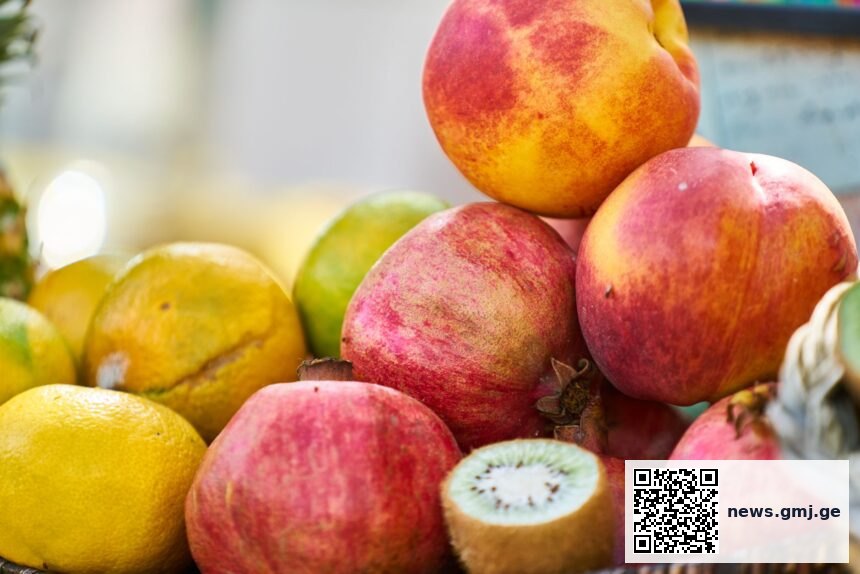
The collaborative research identified several foods with particularly high flavanol concentrations that may confer greater cardiovascular benefits. According to the University of Reading and Harvard Medical School study, blueberries, plums, blackberries, broad beans, and cherries emerged as top sources of heart-protective flavanols.

Green tea consumption appeared to enhance these benefits, suggesting that beverage choices may complement dietary flavanol intake from solid foods. The research builds on previous work examining the relationship between specific plant compounds and cardiovascular health outcomes.
Flavanol Intake and Heart Disease Risk
Population achieving protective flavanol levels, even with recommended fruit/vegetable intake
Source: University of Reading, Harvard Medical School, 2026 | Georgian Medical Journal News
Meeting Guidelines May Not Ensure Optimal Protection
The findings challenge assumptions about standard dietary recommendations for cardiovascular health. Despite the UK NHS recommendation of five 80-gram portions of fruits and vegetables daily, the study revealed significant gaps in achieving therapeutic flavanol levels.
This research suggests that quality and specific food choices may matter as much as quantity when optimizing diet for heart health. The involvement of Mars, Inc. in the research reflects growing industry interest in flavanol compounds, particularly those found in cocoa products.
Implications for Dietary Recommendations
The multi-institutional collaboration highlights the need for more nuanced dietary guidance beyond simple portion counting. The research suggests that current public health messaging may need refinement to emphasize specific flavanol-rich food choices rather than general fruit and vegetable consumption.
Healthcare providers may need to consider both the quantity and quality of plant foods when counseling patients about cardiovascular disease prevention. This approach aligns with precision nutrition concepts that tailor dietary recommendations to specific health outcomes.
Fewer than one in five people reached the flavanol intake that has been shown to reduce the risk of heart disease, even including those who regularly ate five portions of fruit and vegetables a day
— University of Reading, Harvard Medical School, UC Davis research collaboration (2026)
What this means
Frequently asked questions
Which fruits have the highest flavanol content for heart health?
According to the research, blueberries, plums, blackberries, and cherries contain particularly high levels of heart-protective flavanols. These foods may provide superior cardiovascular benefits compared to other fruits.
Can I get enough flavanols just by eating five portions of fruits and vegetables daily?
The study found that fewer than 20% of people achieved heart-protective flavanol levels even when meeting standard five-a-day recommendations. This suggests that specific food choices matter as much as total quantity.
How does green tea enhance the heart benefits of flavanol-rich foods?
Green tea appears to complement dietary flavanol intake from solid foods, though the research did not specify the exact mechanism. The beverage may enhance absorption or provide additional flavanol compounds.
Future research will likely explore optimal flavanol dosing and combinations to maximize cardiovascular protection. This work may inform more precise dietary guidelines that emphasize specific plant compounds rather than broad food categories for heart disease prevention.
Source: Some fruits and vegetables are especially good for heart health
🗺️ Find certified Georgian healthcare providers: sheniekimi.ge — Georgia Health Map · 998 clinics · 6,600+ doctors · 2,296 pharmacies
Was this article helpful?
Disclaimer. This article is health journalism intended for general information and education. It is not medical advice and is not a substitute for professional diagnosis or treatment. Always consult a qualified healthcare provider about your individual circumstances. Full disclaimer →
Related Coverage


Editorial standards. This article was produced under the GMJ News editorial process, with oversight by the GMJ Editorial Board. Our editorial process. Spotted an error? Contact the editorial team.