The World Health Organization has declared a Public Health Emergency of International Concern for an ongoing Ebola outbreak in the Democratic Republic of Congo, marking a significant escalation in the global health response. The declaration follows confirmed cross-border transmission to Uganda and mounting evidence of compromised containment efforts in eastern DRC. This represents only the sixth PHEIC declaration in WHO history, underscoring the severity of the current situation.
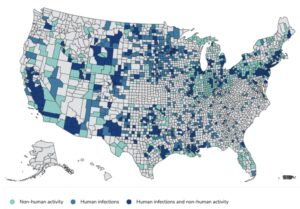
Ebola Outbreak Severity by Region
Confirmed and suspected cases in current DRC outbreak, 2024
Source: WHO Emergency Response Reports, 2024 | Georgian Medical Journal News
Cross-Border Transmission Confirms International Risk
The Centers for Disease Control and Prevention has confirmed cross-border transmission to Uganda, with 142 cases reported in the DRC border region and an additional 76 cases identified within Ugandan territory. This geographic spread represents a critical threshold that triggered the WHO’s emergency declaration under International Health Regulations.

The outbreak involves a rare Ebola strain, though specific viral characterization details remain limited in current WHO emergency reports. The eastern DRC location presents particular challenges due to ongoing displacement crises and limited healthcare infrastructure. For more coverage of international health emergencies, see our Global Health section.
Thailand has implemented enhanced screening measures for international travelers, indicating growing global awareness of potential transmission risks beyond the immediate outbreak zone. Similar precautionary measures are being evaluated by other countries with significant travel connections to the region.
Health Worker Attacks Compromise Response Efforts
Violent attacks on health workers have severely compromised outbreak response efforts, according to Médecins Sans Frontières field reports from the affected regions. These security incidents have forced temporary suspension of contact tracing and vaccination activities in several affected communities, creating gaps in the containment strategy.
The humanitarian context in eastern DRC, characterized by ongoing conflict and population displacement, has created conditions that facilitate viral transmission while simultaneously hindering response efforts. Access to affected populations remains inconsistent, with some communities completely inaccessible to response teams for extended periods.
Response capacity has been further strained by funding constraints, reportedly linked to recent cuts in US aid programs supporting international health emergency responses. The specific impact of these funding reductions on operational capacity requires further quantification.
International Response Coordination Challenges
The PHEIC declaration activates international coordination mechanisms under WHO leadership, but concerns have emerged regarding global response capacity given concurrent health emergencies worldwide. The UN Office for the Coordination of Humanitarian Affairs is coordinating with regional partners to establish cross-border surveillance and response protocols.
Uganda’s rapid identification of cross-border cases demonstrates effective surveillance systems, though the extent of community transmission within Ugandan territory remains under investigation. Regional health authorities are implementing enhanced surveillance at all border crossings with DRC.
The outbreak timeline and specific geographic distribution within eastern DRC require further clarification to optimize resource allocation and response targeting. Current data gaps include precise case fatality rates and detailed transmission chain analysis. Our New Studies section provides ongoing coverage of Ebola research developments.
Enhanced Global Surveillance Measures
The WHO has recommended enhanced surveillance measures at international borders, particularly for travelers from affected regions. The US Food and Drug Administration is coordinating with international partners on potential medical countermeasure deployment needs.
Contact tracing efforts face significant challenges due to population mobility patterns in the border regions and ongoing security concerns. The rare Ebola strain involved may require modified therapeutic approaches, though existing vaccines and treatments remain the primary response tools.
Regional preparedness assessments are being conducted across Central and East Africa to identify potential vulnerabilities and strengthen early warning systems. The outbreak’s proximity to major transportation corridors increases the risk of further geographic spread without effective containment.
The confirmation of cross-border transmission to Uganda with 142 border region cases represents a critical escalation that justified WHO’s Public Health Emergency declaration under International Health Regulations.
— WHO Emergency Response Team (Emergency Declaration Report, 2024)
Key takeaways
- WHO declared PHEIC for DRC Ebola outbreak following cross-border transmission to Uganda with 220 total deaths from over 900 suspected cases
- Violent attacks on health workers and funding cuts have severely compromised response efforts in eastern DRC’s conflict-affected regions
- Thailand and other countries implementing enhanced travel screening measures indicate growing international concern about transmission risk
Frequently asked questions
What is a Public Health Emergency of International Concern?
A PHEIC is WHO’s highest level of health emergency, declared when an outbreak poses risks beyond national borders and requires coordinated international response. Only six PHEICs have been declared in WHO history, including the 2014 West Africa Ebola outbreak and COVID-19.
How dangerous is this Ebola strain compared to previous outbreaks?
The outbreak involves a rare Ebola strain, though specific viral characteristics remain under investigation. Current mortality patterns suggest similar severity to previous Ebola outbreaks, but the conflict-affected location and cross-border spread present additional challenges for containment.
What international travel restrictions are in place?
Thailand has implemented enhanced screening for international travelers, while other countries are evaluating similar measures. WHO has not recommended blanket travel restrictions but emphasizes enhanced surveillance and screening at international borders, particularly for travelers from affected regions.
The WHO’s emergency declaration represents a critical juncture in global health security, with the international community’s response capacity being tested amid multiple concurrent health challenges. Effective containment will require sustained international support, improved security for health workers, and robust cross-border coordination between DRC and Uganda. The outbreak’s evolution over the coming weeks will provide crucial insights into global preparedness for future epidemic threats in conflict-affected regions.
Source: EBOLA OUTBREAK – DEMOCRATIC REPUBLIC OF CONGO: PHEIC DECLARED
Was this article helpful?
Related Coverage