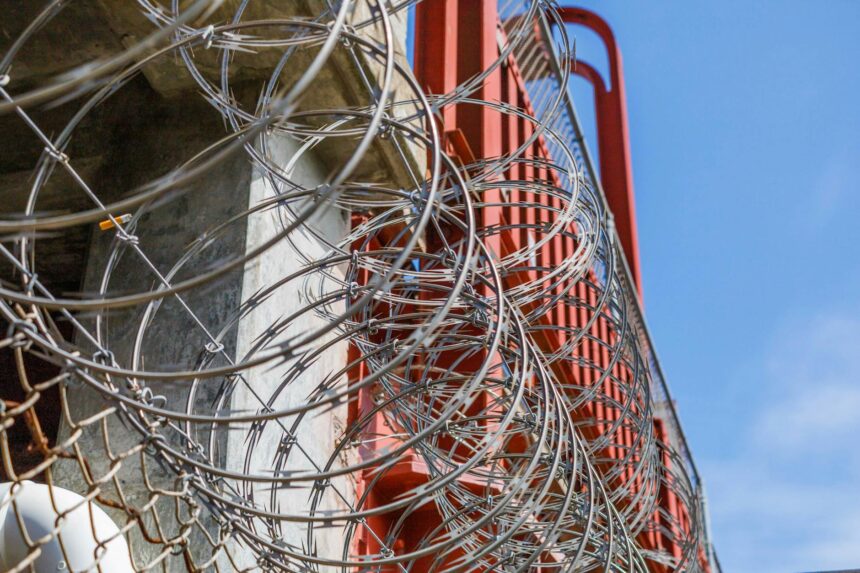
As federal immigration policies advance detention facility expansion, rural healthcare systems face critical planning challenges. Social Circle’s case illustrates three essential concerns for medical infrastructure planners: limited local healthcare capacity cannot absorb detention-related medical demands, inadequate pre-implementation health impact assessments leave communities unprepared, and broader rural healthcare infrastructure gaps nationwide create vulnerability.
Detention facilities require comprehensive medical protocols addressing disease prevention, emergency response capability, and specialized care for vulnerable populations. Rural communities must prioritize thorough health impact assessments before facility approval, ensuring adequate resources exist for medical screening, emergency services, infectious disease management, and mental health support. Legal challenges and stakeholder engagement prove essential tools for protecting community healthcare systems. Healthcare administrators should advocate for federal compliance with rigorous assessment standards and infrastructure investment to prevent overwhelming rural medical resources.
Read the full article on GMJ Newsroom.
Was this article helpful?